
Table of Contents
- Why Historic District Compliance Matters for Your HVAC Project
- San Antonio Historic District Permit Requirements We Navigate
- Austin Historic Landmark Commission Guidelines and Our Process
- Air Duct Cleaning Regulations in Protected Neighborhoods
- Chimney Service Rules for Historic Properties
- Insulation Upgrades Within Historic District Restrictions
- Free Estimates That Account for Local Code Requirements
- How We Ensure Your Project Passes Inspection
- Timeline Expectations for Historic District Approvals
- Why Go Air Ducts is Your Trusted Historic Neighborhood Partner
- Common Permit Mistakes We Help You Avoid
- Schedule Your Compliant HVAC Solution Today
- Frequently Asked Questions (FAQ)
Why Historic District Compliance Matters for Your HVAC Project
If you own a home in a historic district in San Antonio or Austin, you already know that maintaining its character isn’t optional. What many homeowners discover the hard way is that upgrading your HVAC system, cleaning air ducts, or installing new insulation requires navigating local preservation boards and building codes that don’t apply to newer neighborhoods.
We’ve worked with hundreds of homeowners in these protected neighborhoods, and the pattern is clear: skipping compliance steps leads to costly delays, rejected permits, and sometimes having to undo completed work. Historic district guidelines exist to preserve architectural integrity, which means even routine air duct cleaning or dryer vent work can require approval in some cases.
The good news is that compliance doesn’t have to be complicated. We handle the regulatory details so you can focus on improving your home’s air quality and energy efficiency. Understanding these requirements upfront saves time and money.
What you need to do next: Before scheduling any HVAC work, identify whether your property falls within a historic district boundary. Most San Antonio and Austin properties have this information readily available through the city’s planning department or online zoning map.
San Antonio Historic District Permit Requirements We Navigate
San Antonio’s historic districts fall under the jurisdiction of the San Antonio Historic Design Guidelines and the Historic and Design Review Commission (HDRC). We work directly with this process regularly, which means we understand the documentation, timelines, and approval criteria that catch most homeowners off guard.
For HVAC-related work in San Antonio historic districts, you’ll typically need:
- A completed HDRC application before any visible work begins
- Detailed plans or photos showing the proposed work
- Proof that the work won’t alter the exterior appearance of the property or its historically significant features
- Building permits from the City of San Antonio, issued only after HDRC approval
Interior air duct cleaning and chimney inspections often qualify as routine maintenance and may require only a simple HDRC notice. However, if your system requires ductwork replacement, insulation installation visible from the exterior, or new venting, the review process becomes more formal.
We prepare your HDRC application with all required documentation, saving you multiple trips to City Hall and reducing approval delays from weeks to days. Our team includes certified HVAC technicians who understand how to recommend solutions that meet modern efficiency standards while satisfying historic preservation requirements.
What you need to do next: Contact us for a free estimate if you’re in a San Antonio historic district. We’ll assess your property, identify which permits apply, and provide a clear timeline before work begins.
Austin Historic Landmark Commission Guidelines and Our Process
Austin’s Historic Landmark Commission (HLC) operates under different criteria than San Antonio’s HDRC, and we’ve adapted our process to both standards. Austin’s guidelines focus on preserving contributing structures and neighborhoods, with a specific emphasis on preventing incompatible modern additions.
The key distinction in Austin is that some historic properties are individually designated landmarks, while others sit within a local historic district. Each category has different review requirements:
- Individual landmarks require HLC review for any external alterations
- Properties in local historic districts need HLC approval for modifications that affect the property’s historic character
- Interior work typically doesn’t require review, but ductwork visible from outside does
We’ve navigated hundreds of Austin HLC applications, and we know which projects typically receive quick approval and which ones need additional documentation. For example, interior air duct replacement is often approved within 10 business days, but adding a new external return-air vent may require a formal HLC hearing.
Austin also requires a Historic Landmark Commission Certificate of Appropriateness before permits are issued. We coordinate this document as part of our service, ensuring you have everything the City of Austin needs to move forward.
What you need to do next: If you’re in an Austin historic district, verify your property’s designation status on the City’s mapping portal. We can then guide you through the specific review process that applies to your project.
Air Duct Cleaning Regulations in Protected Neighborhoods
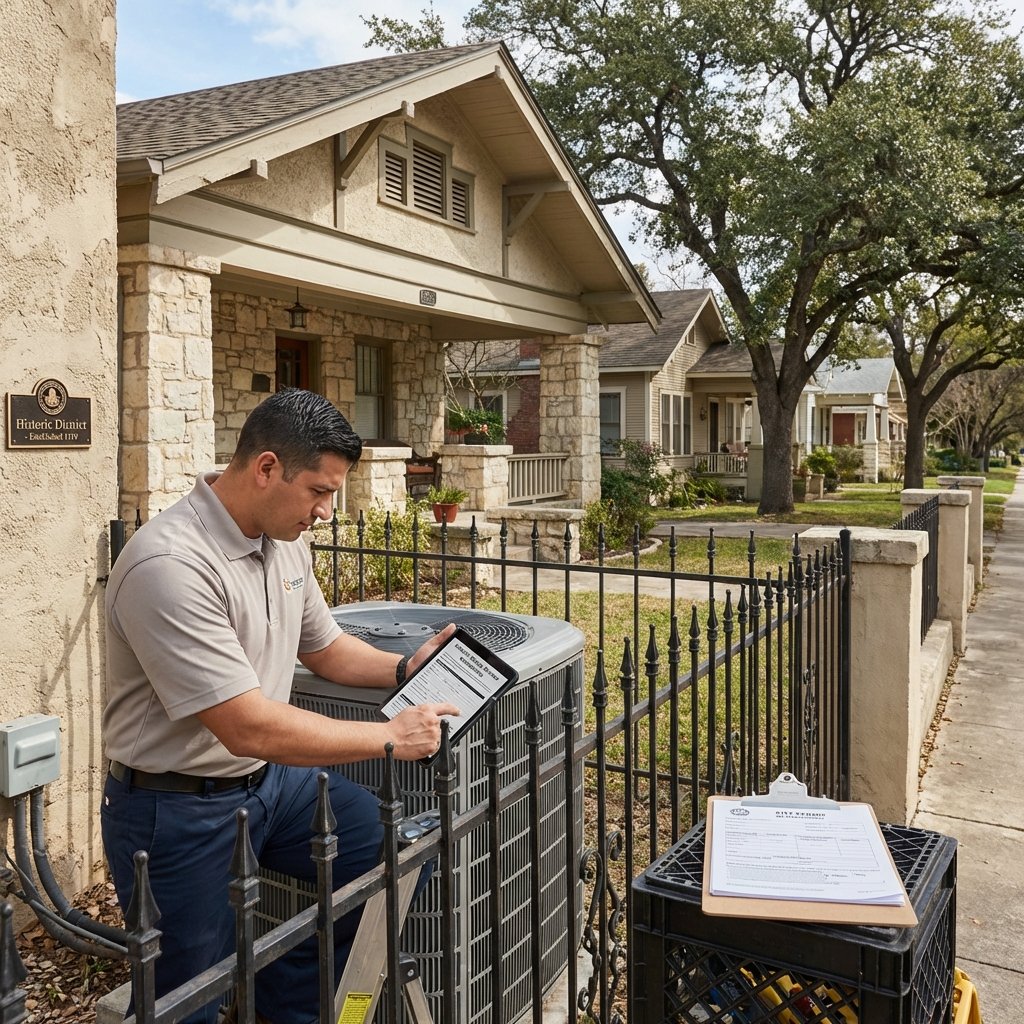
One of the most frequent misconceptions we hear is that air duct cleaning requires permits in historic districts. The truth is more nuanced. The cleaning itself rarely requires approval, but accessing your ducts sometimes does if it involves exterior vent work or visible modifications.
For example, if we’re performing routine duct cleaning that addresses hidden dust problems inside your home through existing access points, no permits are needed. However, if your system requires duct sealing, replacement, or relocation, that triggers the HDRC or HLC review process.
We’ve also encountered situations where homeowners wanted to upgrade from older, inefficient ductwork to modern sealed systems. In historic homes, this often means working within tight attic spaces and preserving the home’s original appearance. Our approach is to run new ducts inside the existing footprint, typically requiring no exterior modifications.
Historic homes often have air quality challenges that newer construction doesn’t face: older ductwork may contain asbestos insulation, dust accumulation from decades of use, or even mold growth from inadequate moisture control. We assess these issues during our free estimates and recommend solutions that comply with local codes.
What you need to do next: Schedule a free inspection of your ductwork. We’ll identify whether your system needs cleaning, sealing, or replacement, and clarify whether each step requires permit approval in your specific neighborhood.
Chimney Service Rules for Historic Properties
Chimneys are among the most regulated features in historic homes, and for good reason. They’re structural elements that contribute to the property’s character. San Antonio and Austin both have specific guidelines for chimney repair, relining, and cleaning.
We approach chimney work in historic districts with particular care. In most cases, routine cleaning and inspection don’t require permits. However, if your chimney needs structural repair, repointing, or relining, HDRC or HLC approval becomes necessary.
The regulatory concern centers on visible changes. If we’re relining your chimney with modern stainless steel but keeping the exterior unchanged, approval is typically straightforward. If the work requires scaffolding on a prominent facade or involves removing original masonry, the review process takes longer.
We’ve found that many homeowners in historic neighborhoods defer chimney maintenance because they assume the permits will be too complicated. In reality, we handle the coordination, allowing you to address safety issues like creosote buildup or flue blockage without worry.
What you need to do next: If you haven’t had your chimney inspected in the last two years, contact us for a comprehensive assessment. We’ll determine what work is needed and whether it requires permit approval.
Insulation Upgrades Within Historic District Restrictions
Energy efficiency is a priority for most homeowners, but historic district guidelines sometimes create tension with modern insulation standards. We navigate this balance by recommending solutions that improve R-values without compromising the home’s historic integrity.
The challenge is that many historic homes have thin walls, limited attic space, or crawl spaces with restricted access. Adding fiberglass batts or blown-in cellulose insulation in the attic is usually uncontroversial. However, if the work requires exterior access that’s visible from the street, permit review may apply.
For walls and foundations, we typically recommend internal insulation methods that don’t alter the exterior appearance. Spray foam insulation applied inside walls is highly effective, meets modern building codes, and requires no exterior modifications that would trigger HDRC or HLC concerns.
We also assess whether your home qualifies for any local or state energy-efficiency incentives. Many historic properties in San Antonio and Austin can access rebates or tax credits for approved insulation work, offsetting costs.
What you need to do next: Request a free energy audit during your next service visit. We’ll measure current insulation levels, identify thermal weak points, and recommend upgrades that comply with local historic district guidelines.
Free Estimates That Account for Local Code Requirements
Our free estimates aren’t generic quotes. We include a compliance assessment that identifies which permits your specific project requires and how long approval typically takes. This transparency helps you budget accurately and avoid surprises.
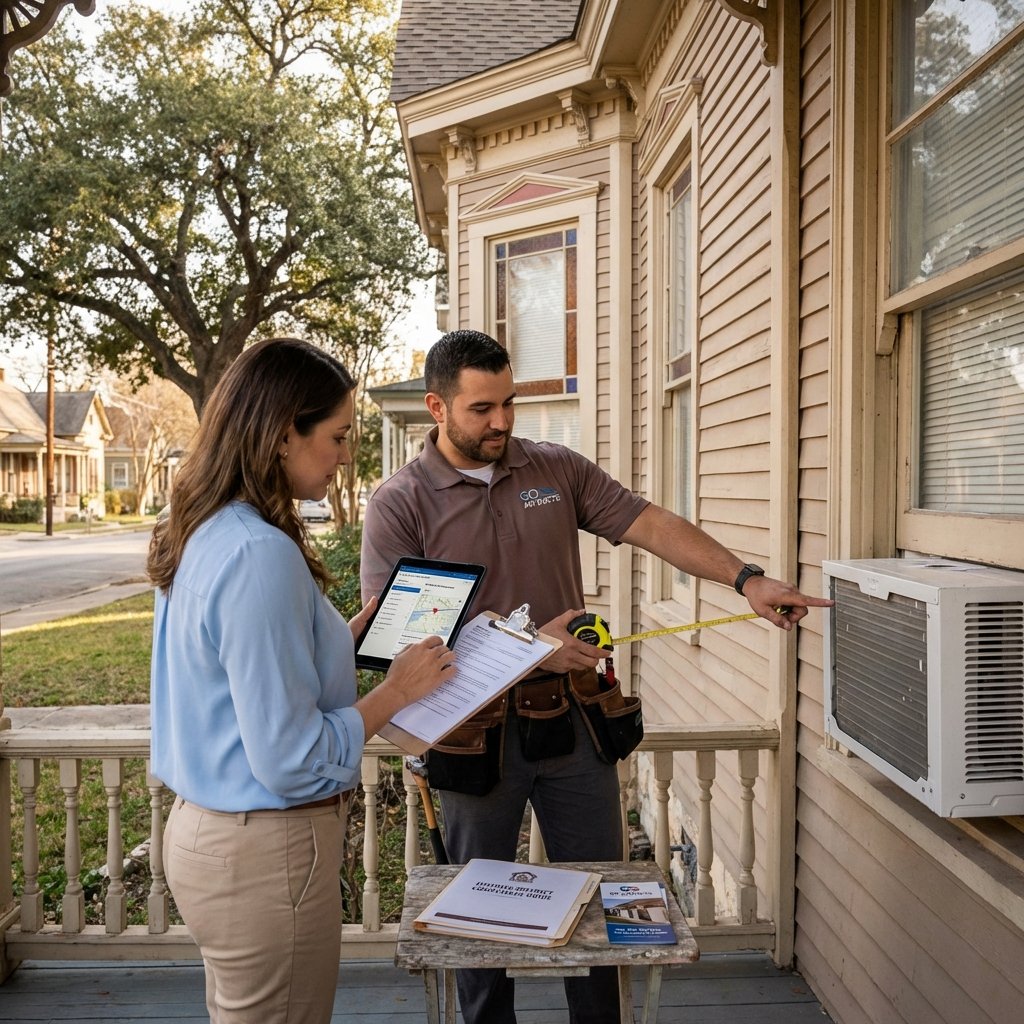
During the estimate visit, we photograph relevant features, assess your home’s historic designation, and review the specific guidelines that apply. We then provide a written estimate that breaks down the project cost, timeline, and regulatory requirements separately.
Many homeowners are surprised to learn that compliance planning actually saves money. By getting permits right the first time, we avoid costly rework or project delays that drive up labor costs. We’ve also found that homeowners who understand the full scope upfront are more confident in their investment.
We serve Dallas, Houston, Austin, and San Antonio, with particular expertise in the historic neighborhoods of Austin and San Antonio. Our technicians are certified HVAC professionals with specific training in working within local preservation guidelines.
What you need to do next: Call us for a free estimate today. We’ll assess your property, clarify code requirements, and provide a detailed proposal with no obligation.
How We Ensure Your Project Passes Inspection
Inspection day shouldn’t be stressful. We prepare for it by following all applicable codes during the work itself, maintaining detailed documentation throughout the project, and conducting our own pre-inspection walkthrough before the city inspector arrives.
Our process includes:
- Installing work that exceeds minimum code standards, giving inspectors confidence in quality
- Keeping organized photo records of each phase of work
- Coordinating directly with inspectors to clarify expectations
- Addressing any inspection concerns immediately, often the same day
For historic district projects specifically, we also ensure that our work satisfies both building codes and preservation guidelines. It’s not enough for ductwork to be properly sealed; it also needs to be installed in a way that respects the home’s character.
We’re Google Maps verified and NADAC-certified, which means our work meets industry standards that exceed most local requirements. This credentials background gives inspectors additional assurance that our installations will pass scrutiny.
What you need to do next: When you schedule your project with us, ask about our pre-inspection preparation. We’ll walk you through what to expect and ensure there are no surprises on inspection day.
Timeline Expectations for Historic District Approvals
Homeowners often ask how long the permit process takes. The answer depends on your neighborhood and project scope, but we can provide realistic timelines based on our experience.
For routine HDRC applications in San Antonio historic districts, approval typically takes 5-10 business days. If your project requires a full HDRC hearing (usually only for significant exterior work), plan for 30-45 days.
Austin’s Historic Landmark Commission processes are similarly varied. Interior work or minor modifications often receive approval within 2-3 weeks. Larger projects may require public notice and a hearing, extending the timeline to 45-60 days.
We always recommend starting the permit process before beginning work. This seems obvious, but we’ve encountered situations where homeowners started projects without approval, creating legal complications. With our guidance, you’ll move through the system smoothly.
Our experience means we can often expedite approvals by submitting complete applications that address reviewer concerns upfront, rather than requiring resubmission.
What you need to do next: When planning your HVAC project, allow at least 3-4 weeks for permit approval if you’re in a historic district. We’ll coordinate the timeline with you and flag any steps that might cause delays.
Why Go Air Ducts is Your Trusted Historic Neighborhood Partner
We’re not generic HVAC contractors. We specialize in historic neighborhoods because we understand that these homes have unique challenges and regulatory requirements that differ from standard residential work.
Our team includes certified technicians with extensive experience in San Antonio and Austin historic districts. We’ve worked with HDRC, HLC, and local building departments enough times to understand their expectations and preferences. This expertise translates to faster approvals, fewer rejections, and projects that pass inspection on the first attempt.
We also genuinely care about preserving these neighborhoods. Historic homes represent the architectural heritage of San Antonio and Austin, and we approach every project with respect for that legacy. Our solutions improve your home’s comfort and efficiency without compromising its character.
We’re also committed to transparency. You’ll never have hidden fees or surprise permit delays because we communicate every step of the process upfront. Our free estimates include detailed compliance information, timeline projections, and honest assessments of what work is truly necessary versus optional.

What you need to do next: If you’re in a San Antonio or Austin historic neighborhood, we’re the only HVAC partner you need. Call us today for a free estimate that addresses both your comfort needs and your compliance requirements.
Common Permit Mistakes We Help You Avoid
We’ve seen enough permit rejections and rework situations to identify the mistakes that cause most problems. By learning from these common pitfalls, you can avoid them entirely.
The biggest mistake is starting work before permits are approved. It sounds straightforward, but we’ve encountered homeowners who began duct replacement or insulation work while their HDRC application was still pending. The result is either unpermitted work that must be undone or legal complications with the city.
The second mistake is submitting incomplete applications. If your HDRC or HLC application lacks required photos, building plans, or detailed descriptions of the work, expect rejection and resubmission delays. We handle this documentation so it’s done right the first time.
Third, homeowners sometimes choose HVAC solutions that violate preservation guidelines without realizing it. For example, adding a large external vent or relocating a unit to a prominent location might solve a technical problem but create a regulatory issue. We recommend solutions that satisfy both codes and guidelines.
Finally, some homeowners try to save money by hiring unlicensed contractors, which creates problems during inspection. Your inspector won’t approve work performed by someone without proper credentials, no matter how well it was done.
What you need to do next: Before you hire any contractor for HVAC work in a historic district, verify they have experience with local permit requirements and preservation guidelines. We can provide references from completed projects in your neighborhood.
Schedule Your Compliant HVAC Solution Today
Your historic home deserves care from professionals who understand its unique requirements. Whether you need air duct cleaning, chimney service, dryer vent cleaning, or insulation upgrades, we’ll ensure your project meets both building codes and preservation guidelines.
We offer free estimates that include a full compliance assessment, detailed timelines, and transparent pricing. You’ll know exactly what permits apply, how long approval takes, and what the total investment will be before we begin work.
Don’t let permit concerns prevent you from improving your home’s air quality and energy efficiency. We handle the regulatory complexity so you can focus on enjoying a more comfortable living space.
Contact us today to schedule your free estimate. We serve Austin, San Antonio, Dallas, and Houston with certified HVAC technicians ready to help your historic property breathe easier.
For further reading: Go Air Ducts, Duct cleaning matters.
If you’re dealing with dust, poor airflow, mold in your ducts, or a clogged dryer vent — don’t wait. These issues can affect your health and safety. Go Air Ducts Group are the local experts in air duct cleaning, mold removal, dryer vent cleaning, and attic insulation. Call now for a free inspection and same-day service in Austin and San Antonio.
Frequently Asked Questions (FAQ)
Do we handle the permit application process for historic district HVAC projects?
Yes, we manage the entire permit process for you in both San Antonio and Austin historic districts. Our team is familiar with each city’s specific Historic Landmark Commission requirements and building codes, so we handle the paperwork, inspections, and approvals on your behalf. This keeps your project on track and ensures compliance from start to finish.
What makes air duct cleaning different in historic neighborhoods?
Historic districts often have stricter regulations about how we access and work within your ductwork to protect the structural integrity and appearance of older homes. We use methods that minimize disruption to original architectural features while still delivering thorough cleaning and improved air quality. Our technicians know exactly which approaches comply with local guidelines for your specific neighborhood.
How long should we expect the approval timeline for historic district HVAC work?
Historic district approvals typically take 2 to 4 weeks depending on the scope of your project and the city’s review schedule. We’ll give you a realistic timeline upfront during your free estimate and keep you updated throughout the process. Planning ahead with us means fewer surprises and faster completion once approvals come through.