
🕑 5 min read
What are the signs of a chimney flashing leak?
Water stains on ceilings or walls near the chimney, rust, and drips during rain often point to failed flashing where the chimney meets the roof. Go Air Ducts inspects chimneys for flashing leaks and roofline issues, identifying the source so you can stop leaks before they cause costly water damage.
A chimney is often one of the most aesthetically pleasing features of a home’s exterior, but it is also one of the most vulnerable to water intrusion. While homeowners often focus on the shingles or the chimney cap, the most common culprit for water damage is actually the chimney flashing. This thin strip of metal acts as the waterproof seal between the vertical surface of the chimney and the horizontal slope of the roof. When this seal fails, it creates a direct pathway for water to enter your home’s structural framework.
At Go Air Ducts, we believe that a healthy home starts with a dry home. Understanding the nuances of chimney flashing leaks is essential for protecting your masonry and your interior ceilings from costly repairs. If you have noticed damp spots or unusual odors near your fireplace, your roofline is likely signaling for immediate attention.
What Exactly is Chimney Flashing?
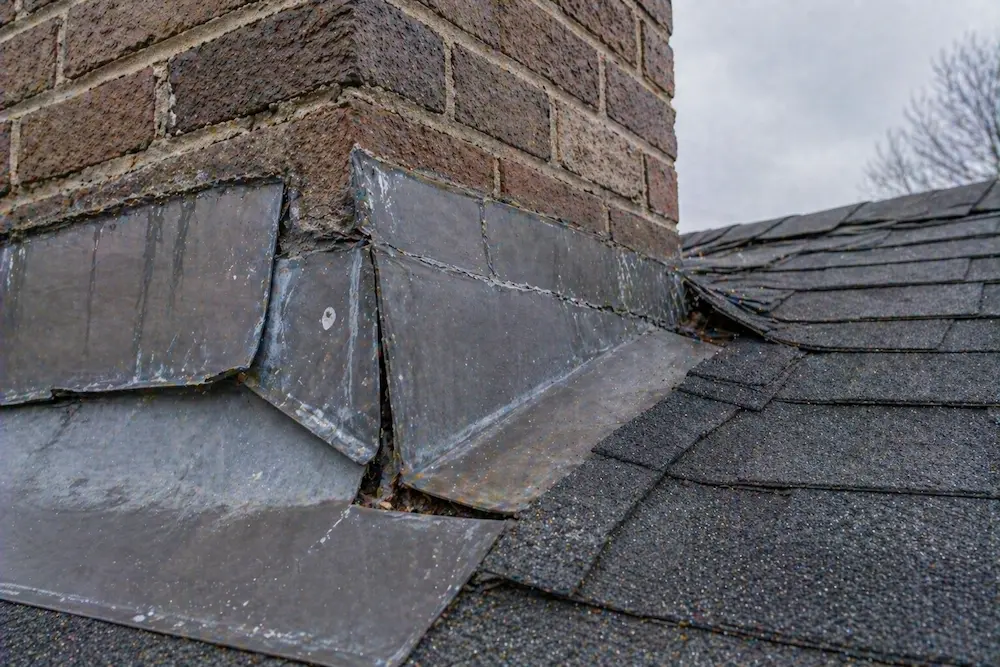
To understand why leaks occur, you must first understand the anatomy of the flashing system. It is rarely a single piece of metal; rather, it is a complex, layered system designed to shed water. It typically consists of base flashing, which sits underneath the shingles and bends up against the chimney, and counter-flashing, which is embedded into the chimney’s mortar joints and folds down over the base flashing.
This “shingle-style” layering ensures that as water runs down the chimney or the roof, it is always directed over the metal and away from the seams. However, because the chimney and the roof are made of different materials, they expand and contract at different rates during temperature shifts. This constant movement puts immense stress on the sealant and metal, eventually leading to the gaps that cause leaks.
Visible Signs of a Flashing Leak Inside Your Home
Detecting a chimney leak early can save you thousands of dollars in mold remediation and structural timber replacement. One of the most obvious signs is water staining on the ceiling or walls surrounding the chimney breast. These stains often appear as yellowish or brown “halos.” If you notice these spots growing larger after a heavy rainstorm, the flashing is the primary suspect.
In more severe cases, you may see dripping water inside the firebox itself. While a missing chimney cap can cause this, flashing leaks often manifest as water running down the exterior of the bricks or behind the drywall. Furthermore, a persistent musty odor near the fireplace, even when it hasn’t rained recently, suggests that water is trapped within the wall cavity, potentially leading to hidden mold growth that compromises your indoor air quality.
Exterior Red Flags: Inspecting the Roofline
If you are comfortable safely viewing your roof from a ladder or using binoculars from the ground, there are several “red flags” to look for. Check for gaps or lifting in the metal strips. If the counter-flashing has pulled away from the masonry, or if the caulking is cracked and peeling, water will inevitably find its way behind the metal.
Another common issue is rust and corrosion. Older flashing was often made of galvanized steel, which can rust through over time. Once a pinhole or “rust-through” spot appears, the flashing is no longer waterproof. Additionally, look for “shiners”, nails that have backed out of the flashing, or areas where a previous repair used excessive amounts of roofing tar. While tar is a common DIY fix, it is a temporary solution that eventually cracks under UV exposure, leading to recurring leaks.
The Structural Dangers of Ignoring Flashing Repairs
Ignoring a minor leak today can lead to a catastrophic failure tomorrow. When water bypasses the flashing, it enters the roof decking and rafters. Because this area is often dark and poorly ventilated, wood rot can set in quickly. Softened wood loses its structural integrity, which can lead to a sagging roofline or even a partial collapse of the chimney structure.
Why Professional Installation Outperforms DIY Patches
Many homeowners attempt to fix a flashing leak with a tube of silicone or a bucket of roofing cement. While these might stop the water for a few months, they do not address the root cause. A professional repair often involves grinding into the mortar joints to properly “step-flash” the chimney, ensuring that the metal is physically integrated into the masonry.
Materials also play a significant role in longevity. Professionals often recommend stainless steel or copper flashing. While more expensive than aluminum or galvanized steel, these materials do not rust and can last as long as the roof itself. Research from various University Extension Programs on home maintenance emphasizes that flashing is a “critical junction” where professional-grade materials and techniques are necessary to prevent the infiltration of moisture and wood-destroying organisms.
The Connection Between Flashing and Your HVAC System
You might wonder how a roof leak relates to your air ducts. When chimney flashing leaks, the moisture often travels down the chimney chase. If your HVAC system has ductwork running through or near this area, the excess moisture can lead to high humidity levels within the ventilation system. This creates a breeding ground for mold and bacteria, which are then blown throughout your home when the fan turns on. Keeping your chimney flashing secure is an indirect but vital part of maintaining a clean, healthy air distribution system.
Protect Your Home from the Top Down
A small leak at the roofline can quickly turn into a major headache for your wallet and your home’s health. Don’t wait for the next big storm to test the integrity of your chimney; take proactive steps to ensure your flashing is watertight and your masonry is protected. At Go Air Ducts, we specialize in comprehensive home ventilation and chimney maintenance services that keep your property safe from the elements. Our expert team can identify hidden vulnerabilities and provide long-lasting solutions that safeguard your interior from water damage and mold. Contact us today to schedule a professional inspection and give your home the expert attention it deserves.