
Table of Contents
- Why Your Current Air Filter May Not Be Protecting Your Family
- Understanding HEPA and High-MERV Filtration Standards
- The Real Performance Difference: What We See in Texas Homes
- Compatibility Issues We Solve Before Installation
- Our Air Duct Cleaning Services Work Best With Upgraded Filtration
- How We Design Your Whole-Home Filtration Retrofit
- Why Professional Installation Matters for Filter Performance
- Maintenance Plans That Keep Your System Running Efficiently
- Why Austin and San Antonio Homeowners Choose Go Air Ducts
- Frequently Asked Questions (FAQ)
Why Your Current Air Filter May Not Be Protecting Your Family
If you’ve noticed dust settling on surfaces faster than it should, or your family’s allergies flaring up indoors despite regular cleaning, your HVAC filter might be the culprit. We’ve inspected thousands of Texas homes, and what we consistently find is that standard 1-inch filters often fail to capture the particles that matter most. Upgrading to HEPA or high-MERV filtration can transform your indoor air quality, but the retrofit process requires planning and professional guidance to work effectively with your existing system.
Most standard residential filters have a MERV rating between 4 and 8. That sounds technical, but here’s what it means in practice: they block large dust particles and debris, but they let smaller contaminants pass right through. In Texas, where we experience long, intense cooling seasons followed by heating periods, airborne particles accumulate rapidly in ducts and HVAC equipment.
When we run our air duct cleaning assessments, we often find that homes relying on low-MERV filters have visible dust coating the interior of ducts and the blower wheel itself. This buildup forces your system to work harder, reducing efficiency and increasing energy costs. Worse, particles that bypass the filter settle in your lungs and trigger allergies, asthma, and other respiratory issues that homeowners incorrectly attribute to outdoor air quality.
Standard filters also don’t capture biological contaminants like mold spores, pet dander at a fine level, or volatile organic compounds. If someone in your household has allergies or asthma, or if you’ve dealt with moisture issues that could harbor mold, a basic filter simply isn’t designed to handle those challenges.
Actionable takeaway: Check your current filter’s MERV rating printed on the frame. If it’s below 10, you’re likely missing significant indoor air quality improvements available to you.
Understanding HEPA and High-MERV Filtration Standards
MERV stands for Minimum Efficiency Reporting Value, and it’s rated on a scale from 1 to 20. Filters in the 10-12 range are considered high-MERV options and capture particles as small as 1 micron with reasonable efficiency. HEPA filters (High-Efficiency Particulate Air) are rated even higher, typically capturing 99.97% of particles 0.3 microns and larger. For residential use, true HEPA filtration operates at MERV 17 or above.
The difference matters considerably. High-MERV filters (11-13) work well in most modern HVAC systems and significantly improve air quality without requiring major system upgrades. HEPA filtration is more aggressive and requires careful compatibility assessment, which we’ll address in detail.
In our Texas homes, high-MERV filters (particularly MERV 11 and 12) have become the practical sweet spot for most families. They remove allergens, fine dust, and smaller particles that standard filters miss, while still allowing sufficient airflow to prevent strain on your equipment. HEPA systems work too, but they demand more rigorous planning because your furnace or air handler must generate enough pressure to pull air through a denser filter media without overheating or reducing comfort.
We recommend considering your household’s specific needs. If you have pets, allergies, or documented mold concerns, HEPA might justify the retrofit complexity. If you’re primarily concerned with dust and general air quality improvement, high-MERV filters deliver excellent results with less system stress.
The Real Performance Difference: What We See in Texas Homes
We’ve personally observed the effects of filtration upgrades across Austin and San Antonio homes. One case stands out: a San Antonio family with two dogs and a child with moderate asthma switched from MERV 6 to MERV 11 filters. Within two weeks, the child’s nighttime coughing dropped noticeably, and the parents reported less dust on furniture despite having the same pets and square footage.
When we cleaned their ducts as part of the retrofit process, we removed approximately 18 pounds of debris that had accumulated over three years. The culprit wasn’t dirty living habits but rather the inadequate filter allowing all that material to circulate and settle in the ductwork itself.
Another Austin client concerned about mold risk after a roof leak opted for a whole-home HEPA retrofit. The system required a larger return air plenum and upgraded blower components to maintain performance. The investment was higher, but the family gained confidence that airborne mold spores were being captured before they could settle and grow elsewhere in the home.
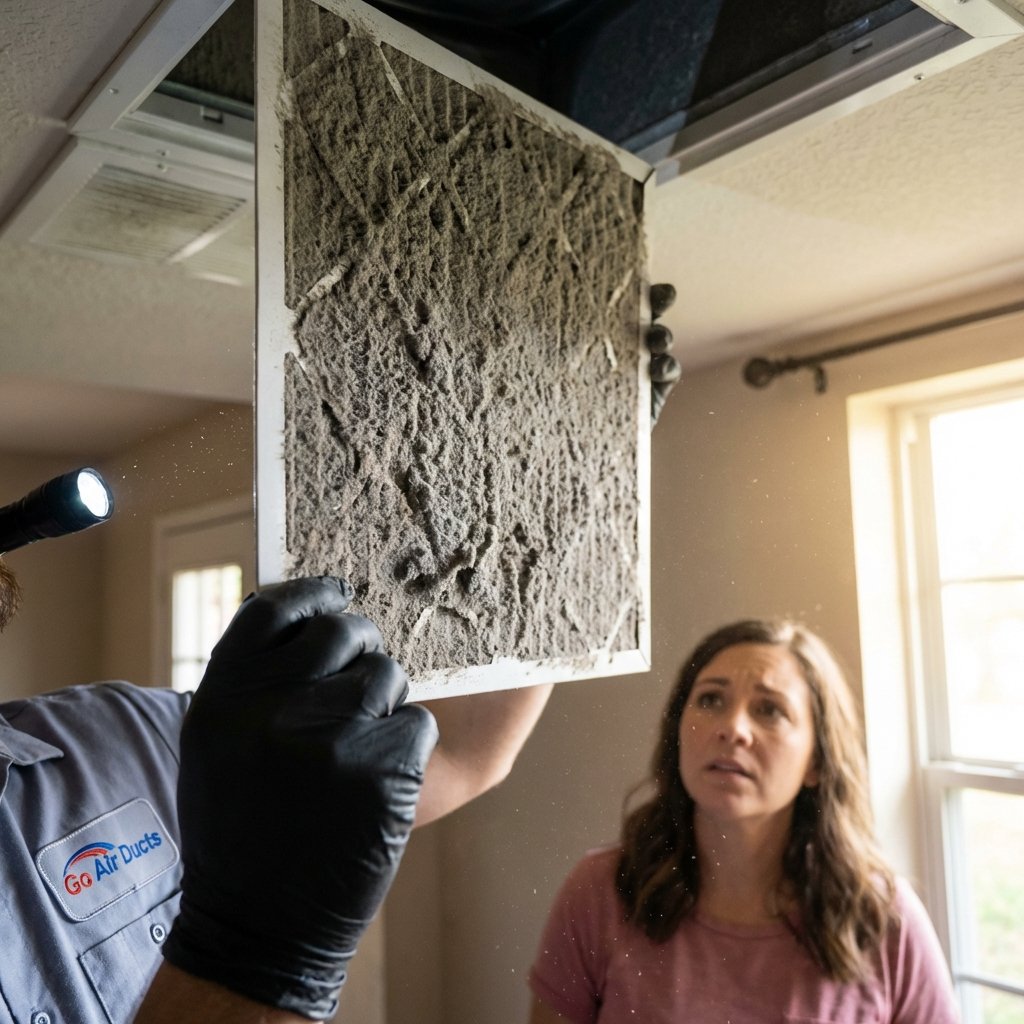
The performance gains appear in measurable ways. We’ve documented pressure drop improvements of 15-20% in systems where ducts were cleaned before filter upgrades were installed. Energy bills often decrease slightly even though better filtration is in place, because the system operates with less dust buildup and friction. Over five years, many homeowners recover the retrofit cost through improved efficiency and reduced health-related expenses.
What to do next: If you’re experiencing unexplained dust, persistent odors, or respiratory symptoms, request a free ductwork inspection and air quality assessment from us. We’ll identify exactly what particles are escaping your current filter.
Compatibility Issues We Solve Before Installation
Not every HVAC system can handle high-MERV or HEPA filtration without modification. Here’s where professional assessment becomes essential. Your furnace and air conditioning system are designed with specific airflow requirements. If a filter is too restrictive, several problems emerge: reduced cooling and heating output, increased strain on the blower motor, higher electricity costs, and potential furnace shutdowns due to temperature safety limits being exceeded.
We always check three key compatibility factors before recommending a retrofit:
1. Blower capacity and design. Older furnaces or systems with smaller blowers may not generate sufficient pressure through a MERV 13 or HEPA filter. Newer systems (post-2010) typically handle high-MERV filtration without issue, but we verify this with a pressure drop test.
2. Filter housing dimensions and configuration. Some homes use 1-inch filters (which fit in basic return air vents), while others have larger 4-inch or 5-inch filter racks. Thicker, denser filters require appropriate housing. If your current system uses a 1-inch filter slot, upgrading to a true HEPA filter often requires installing a whole-home filter housing, not just a thicker filter in the existing space.
3. Ductwork integrity. Leaky ducts undermine any filtration benefit because unfiltered air bypasses the filter entirely through gaps and seams. Before we recommend a premium filtration retrofit, we assess duct sealing needs as part of the overall solution.
During our retrofit consultations, we measure static pressure at the blower and across your current filter to determine exactly how much restriction your system can handle. This testing takes 20 minutes and prevents costly system stress or performance loss.
Our Air Duct Cleaning Services Work Best With Upgraded Filtration
Upgrading filtration alone won’t solve the problem if your ducts are already contaminated with years of dust, pet dander, and potential mold spores. We recommend pairing air duct cleaning services with filtration retrofits for the most effective indoor air quality transformation.
Here’s why the sequence matters: If you install high-MERV filters into dirty ducts, the new filter works harder to prevent already-present contamination from circulating further. You get some benefit, but you’re essentially using an expensive filter to manage a compromised starting environment.
When we clean your ducts first, we remove 80-90% of accumulated debris, dust, and biological contaminants. Then, the upgraded filter keeps your system clean going forward. It’s the difference between putting a powerful lock on a door after someone’s already lived in your home versus securing it before they arrive.
Our duct cleaning process involves negative pressure vacuuming with sealed equipment, agitation brushes, and camera verification to ensure thorough removal. When combined with a MERV 11 or 12 filter upgrade, the results compound: you start fresh, then maintain that cleanliness with your new filter’s superior capture efficiency.
Practical benefit: Many homeowners save money overall because their new, high-quality filter doesn’t need replacement as frequently when ducts are clean. A high-MERV filter in contaminated ducts may clog in 2-3 months. The same filter in cleaned ducts can last 6-8 months.
How We Design Your Whole-Home Filtration Retrofit
Our retrofit process begins with a comprehensive home assessment and ends with installed, tested equipment and clear maintenance guidance. We don’t recommend one-size-fits-all solutions because every home’s system, humidity levels, occupancy, and air quality concerns are different.
Our design process includes:
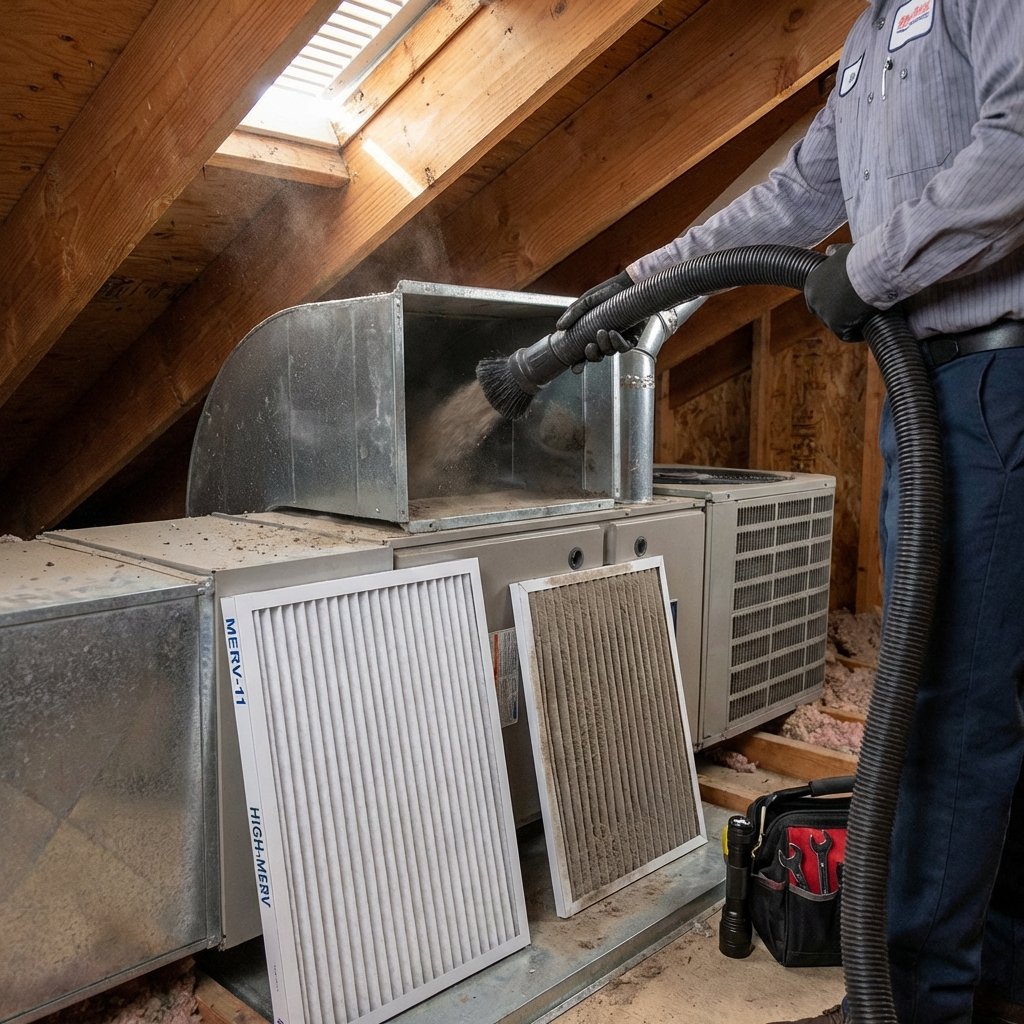
- System evaluation. We inspect your furnace, air handler, ductwork, and current filter setup. We check for leaks, assess blower capacity, and identify any existing ventilation or moisture control issues.
- Air quality baseline. We discuss your household’s specific concerns: pets, allergies, recent moisture events, dust sensitivity, or respiratory conditions. This informs whether high-MERV is sufficient or if HEPA filtration is justified.
- Compatibility testing. We measure static pressure and airflow to determine what filter density your system safely handles. If a HEPA retrofit requires a new filter housing or upgraded blower, we include that in the design.
- Duct evaluation and cleaning scope. We assess whether duct cleaning should precede the filter upgrade and if any sealing work is needed.
- Written recommendation and estimate. You receive a clear explanation of options, costs, timeline, and expected performance improvements. We include a pressure drop test result so you understand your system’s capability.
Once you approve the retrofit plan, we schedule the work strategically. If duct cleaning is part of the scope, that happens first. Then, we install the new filtration system, run post-installation pressure tests, and walk you through maintenance requirements.
Why Professional Installation Matters for Filter Performance
We’ve observed homes where well-intentioned owners purchased high-quality MERV 12 or HEPA filters and installed them incorrectly. Air leaked around the filter frame edges, meaning unfiltered air bypassed the media entirely. In one Austin home, we found a MERV 13 filter installed sideways in the filter housing because the frame didn’t fit properly.
Professional installation ensures:
Proper fit and sealing. The filter frame must seal completely against the housing with no bypass gaps. Even small air leaks around the edges allow unfiltered particulates to enter the duct system, defeating the filter’s purpose. We install filters with pressure-tight gaskets and verify seal integrity visually and with airflow tests.
Correct orientation and flow direction. Filters have a specified air flow direction, often marked with an arrow. Installing it backwards reduces efficiency significantly. We verify correct installation before the system runs.
System pressure verification. After installation, we measure static pressure across the new filter to confirm it’s within the system’s design range. If pressure is too high, the blower is straining; if it’s too low, the filter may not be working effectively.
Documentation and baseline data. We photograph the installed filter, record pressure measurements, and provide you with maintenance records. This becomes your reference for when filter replacement is actually needed, not just a calendar reminder.
Many high-MERV and HEPA filters cost between $75 and $200 each. Professional installation costs under $150 and protects your investment by ensuring every dollar of that filter’s performance is actually delivered to your indoor air.
Maintenance Plans That Keep Your System Running Efficiently
Once your retrofitted filtration system is installed, maintaining it properly keeps your air quality high and system efficiency stable. We offer maintenance plans tailored to your specific setup and usage patterns.
Our most popular option is quarterly maintenance visits. We inspect and replace your filter on a schedule, check for any system pressure changes that might indicate duct leaks or filter deterioration, and clean furnace components to prevent efficiency loss from dust accumulation on coils.
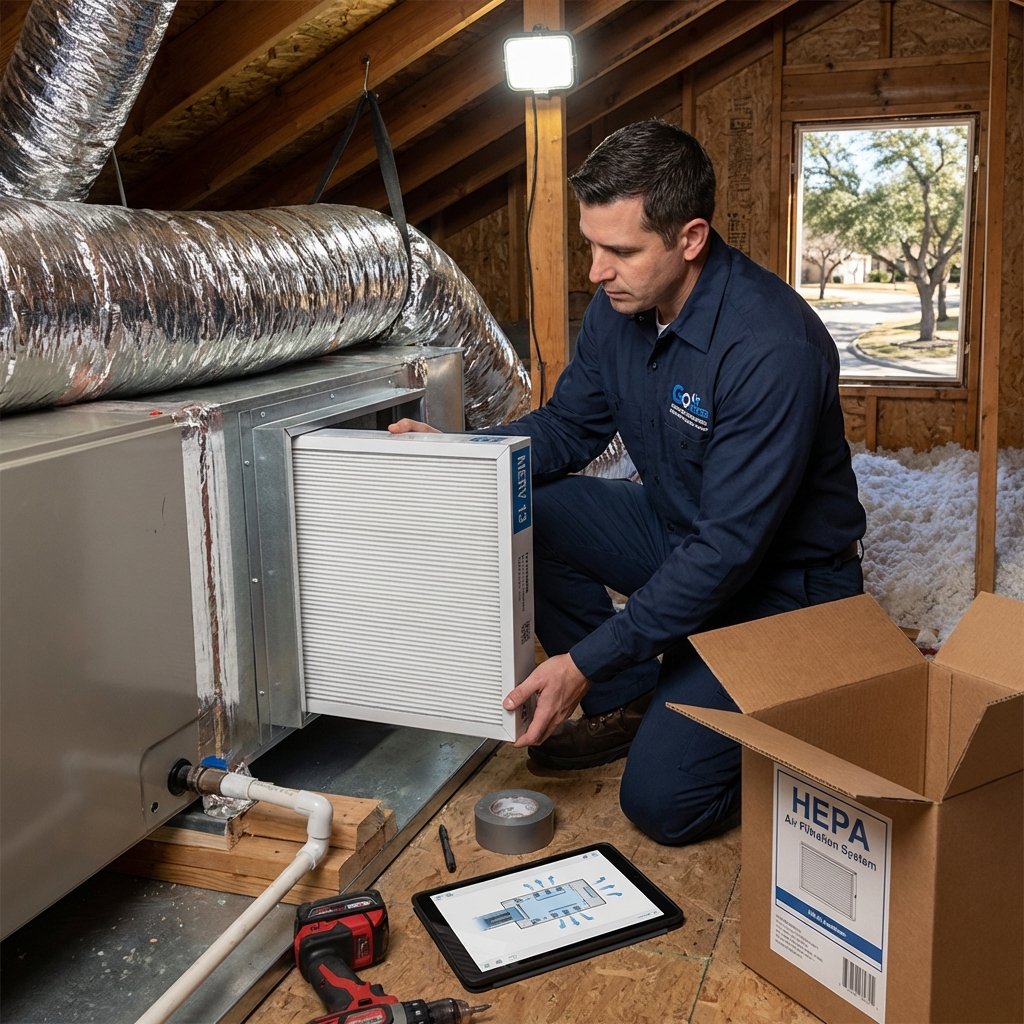
We also provide digital reminders and filter replacement supplies so you’re never caught off-guard by a clogged filter. Many homeowners find that a MERV 11-12 filter in a clean duct system lasts 6-8 months, while others in dusty environments or homes with multiple pets need replacements every 3-4 months. We track your actual performance data and adjust the schedule accordingly.
Included in our maintenance plans is an annual duct inspection camera service to ensure no new buildup or leaks have developed. If we spot issues, we address them before they compromise your filtration upgrade’s benefits.
Bottom line: A $400 annual maintenance plan typically costs less than the energy waste and filter inefficiency that results from neglecting system upkeep. Over three years, a well-maintained retrofitted system pays for itself in energy savings and reduced filter replacements.
Why Austin and San Antonio Homeowners Choose Go Air Ducts
We’ve built our reputation on the simple principle that air quality directly affects family health and home comfort. Our certified HVAC technicians are trained not just in filter installation but in the complete ecosystem of ventilation, ductwork, and humidity control that makes filtration effective.
When you work with us, you’re getting expertise grounded in real local conditions. Texas heat and humidity create unique challenges for indoor air quality: rapid dust accumulation, mold risk during humid seasons, and system strain from extended cooling cycles. We understand these dynamics intimately because we work in them every day across Austin, San Antonio, Dallas, and Houston.
We also stand behind our work with written performance guarantees and transparent pricing. You’ll never receive a retrofit recommendation that requires components you don’t actually need, and we explain the compatibility considerations that inform every recommendation. Our free service estimates take the guesswork out of deciding whether a HEPA retrofit or high-MERV upgrade is right for your specific home.
Homeowners choose us because they want a partner who cares about long-term air quality, not just selling a filter upgrade. We design retrofits that work with your system and budget, provide professional installation that ensures every benefit is realized, and maintain your system to keep performance stable year after year.
If you’re concerned about indoor air quality, experiencing unexplained dust or respiratory symptoms, or simply want your HVAC system to work more efficiently, we’re ready to help. Contact us for a free consultation and pressure testing assessment. We’ll identify exactly what your home needs and build a retrofit plan that delivers clean, healthy air for years to come.
For further reading: Air duct cleaning before heating, Hidden dust buildup.
If you’re dealing with dust, poor airflow, mold in your ducts, or a clogged dryer vent — don’t wait. These issues can affect your health and safety. Go Air Ducts Group are the local experts in air duct cleaning, mold removal, dryer vent cleaning, and attic insulation. Call now for a free inspection and same-day service in Austin and San Antonio.
Frequently Asked Questions (FAQ)
What’s the difference between HEPA and high-MERV filters, and which should we install in our home?
We find that high-MERV filters (MERV 13-16) work well for most residential HVAC systems in Texas, capturing dust, pollen, and pet dander effectively without restricting airflow. HEPA filters are more restrictive and typically require professional retrofit work since standard HVAC systems can’t handle the pressure drop, but we can design a compatible solution if your indoor air quality concerns warrant that level of filtration. The choice depends on your system’s capacity and whether you’re dealing with allergies, mold sensitivity, or other air quality issues we can assess during a free estimate.
Will upgrading our air filters affect how well our HVAC system runs?
Absolutely, which is why we evaluate your entire system before recommending any filtration upgrade. If we jump to a high-MERV or HEPA filter without ensuring your unit can handle it, you’ll actually strain your system and reduce efficiency. During our retrofit design process, we check your ductwork, airflow capacity, and current system performance so we can recommend filters that improve your air quality without forcing your HVAC to work harder or fail prematurely.
How often do we need to replace upgraded filtration systems?
High-MERV filters typically need changing every 3-6 months depending on your home’s dust levels and whether we’ve recently completed air duct cleaning for you. We’ve found that homes with clean ducts actually extend filter life significantly, which is why we often recommend pairing our duct cleaning service with your new filtration system. We can set up a maintenance plan so you never worry about replacement schedules again.