
Table of Contents
- Why Historic Chimneys Require Specialized Care
- The Common Damage Patterns We See in Older Texas Homes
- How Traditional Inspection Methods Can Harm Historic Structures
- Our Preservation-First Chimney Inspection Process
- Non-Invasive Technologies We Use to Assess Historic Chimneys
- Repair Methods That Respect Historical Integrity
- Matching Materials and Techniques to Your Home's Era
- When Restoration is Better Than Replacement
- How Our Certified Technicians Handle Delicate Masonry Work
- Protecting Your Investment While Maintaining Authenticity
- The Long-Term Benefits of Preservation-Sensitive Repairs
- Frequently Asked Questions (FAQ)
Why Historic Chimneys Require Specialized Care
Austin and San Antonio are home to some of Texas’s most beautiful historic properties. Many of these homes feature original masonry chimneys that have stood for over a century, and we understand the unique responsibility that comes with maintaining them. When we inspect and repair historic chimneys, our approach differs significantly from standard chimney service. We prioritize preservation at every step because we know these structures are irreplaceable architectural assets.
Historic chimneys aren’t just functional components; they’re part of your home’s character and value. The mortar, brick, and construction methods used in homes built before 1950 differ fundamentally from modern standards. Original lime-based mortar, for example, is softer and more flexible than contemporary cement mortar, which allows older chimneys to move slightly with seasonal temperature changes without cracking.
When we approach a historic chimney, we’re not simply looking to fix immediate problems. We’re working to extend the life of materials that may never be fully replaceable. Aggressive inspection or repair methods that work fine on newer homes can actually cause irreversible damage to historic structures. We’ve seen homeowners inadvertently shorten the lifespan of their chimneys by decades because they used contractors unfamiliar with period-appropriate techniques.
The stakes are higher with historic properties. A poorly executed repair doesn’t just create a functional problem; it diminishes architectural authenticity and can reduce home value. This is why we’ve invested in specialized training and equipment to handle these delicate assets with the care they deserve.
What to do next: If your home was built before 1960, assume your chimney may require preservation-sensitive methods. Schedule a consultation with us so we can assess whether standard approaches are appropriate for your specific structure.
The Common Damage Patterns We See in Older Texas Homes
Our experience across Austin and San Antonio reveals consistent patterns in aging masonry chimneys. The most frequent issue we encounter is failing mortar joints, particularly in the topmost courses where freeze-thaw cycles and rain exposure create stress. Texas weather swings from freezing winters to hot, dry summers, accelerating deterioration in ways that many homeowners underestimate.
Efflorescence, a white chalky substance on brick, indicates moisture is traveling through the masonry and salt deposits are being left behind. This signals deeper water infiltration that, if left untreated, will eventually weaken the structural integrity of the entire chimney. Spalling brick, where the face of the brick flakes or chips away, is another common sight in chimneys over 80 years old. The brick itself may be sound, but environmental exposure and improper past repairs have compromised the surface layer.
Missing or deteriorated chimney caps are perhaps the easiest problem to spot and one of the most damaging. Without a functional cap, rainwater enters directly into the flue and chimney structure, accelerating decay inside walls and creating conditions for mold growth. We also frequently discover that previous owners applied modern concrete or cement mortar to original lime-mortar joints, creating a situation where the harder modern material locks in moisture rather than allowing the chimney to breathe naturally.
Cracks running vertically or at angles indicate settlement or structural movement. In historic homes, small cracks are often normal and manageable if addressed correctly, but aggressive pointing or patching can turn a stable situation into a failing one. Understanding what you’re looking at requires experience specific to period construction.
How Traditional Inspection Methods Can Harm Historic Structures
Here’s where we need to be direct: standard chimney inspection practices can inadvertently damage historic structures. Power brushing or wire wheel cleaning, common methods used on modern chimneys, can erode soft historic mortar joints and damage the face of original brick. We’ve seen chimneys lose decades of useful life because an inspector used equipment designed for newer construction.
Pressure washing is another culprit. Homeowners often think a good cleaning will restore a chimney’s appearance, but high-pressure water forces moisture deep into the masonry and can dislodge mortar. On a historic chimney with failing joints, pressure washing can accelerate deterioration dramatically over the following winter season.
Improper repointing, where old mortar is replaced, causes similar problems. If a contractor uses modern Portland cement mortar on a chimney that originally had lime-based mortar, the result is a structural mismatch. The cement is harder and less flexible than the original material, so stress transfers to the surrounding brick instead of being absorbed by the mortar. Within a few years, you see spalling brick where the problem never existed before.
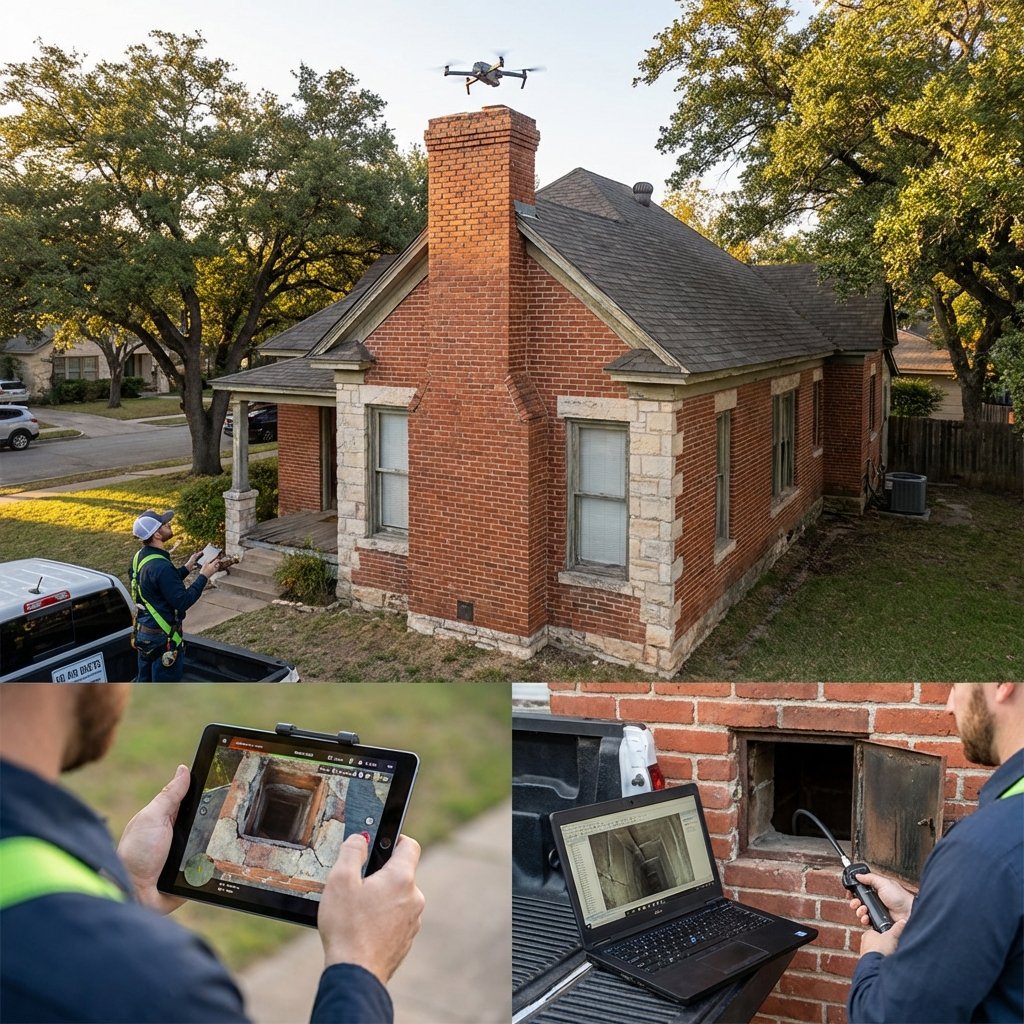
Rigid inspection cameras inserted without care can snag on internal accumulations and disturb the interior structure. Aggressive chemical cleaning can alter the color and character of historic brick permanently. We approach every inspection with the understanding that the inspection itself must do no harm.
Our Preservation-First Chimney Inspection Process
Our inspection methodology is designed around minimizing contact and maximizing information gathering. We start with a detailed visual assessment from outside and inside the home, documenting existing conditions with photographs and careful notes. We examine mortar joint consistency, brick condition, the presence of any previous repairs, and signs of water intrusion or structural movement.
We interview you about the chimney’s history. Have you noticed leaking inside the home? Has the chimney been repointed? When was the cap last replaced? Does the chimney function seasonally or is it a decorative feature? These details help us understand what approach the original builders used and what environmental pressures the structure has endured.
Only after this assessment do we determine whether internal inspection is necessary and, if so, what method is appropriate. We use video inspection with specialized, lightweight equipment that doesn’t create snag points. We lower cameras gently and retrieve them the same way, avoiding any jarring movements that could disturb interior accumulations or unstable sections.
We evaluate mortar joint depth and composition by visual inspection and gentle probing with proper tools, never with aggressive scraping. We photograph everything and provide detailed reports that include recommendations prioritized by urgency and preservation impact.
Take action: Contact us for a preservation-focused chimney inspection. We’ll document your chimney’s condition and explain our findings in clear terms, helping you understand what’s truly urgent and what can wait.
Non-Invasive Technologies We Use to Assess Historic Chimneys
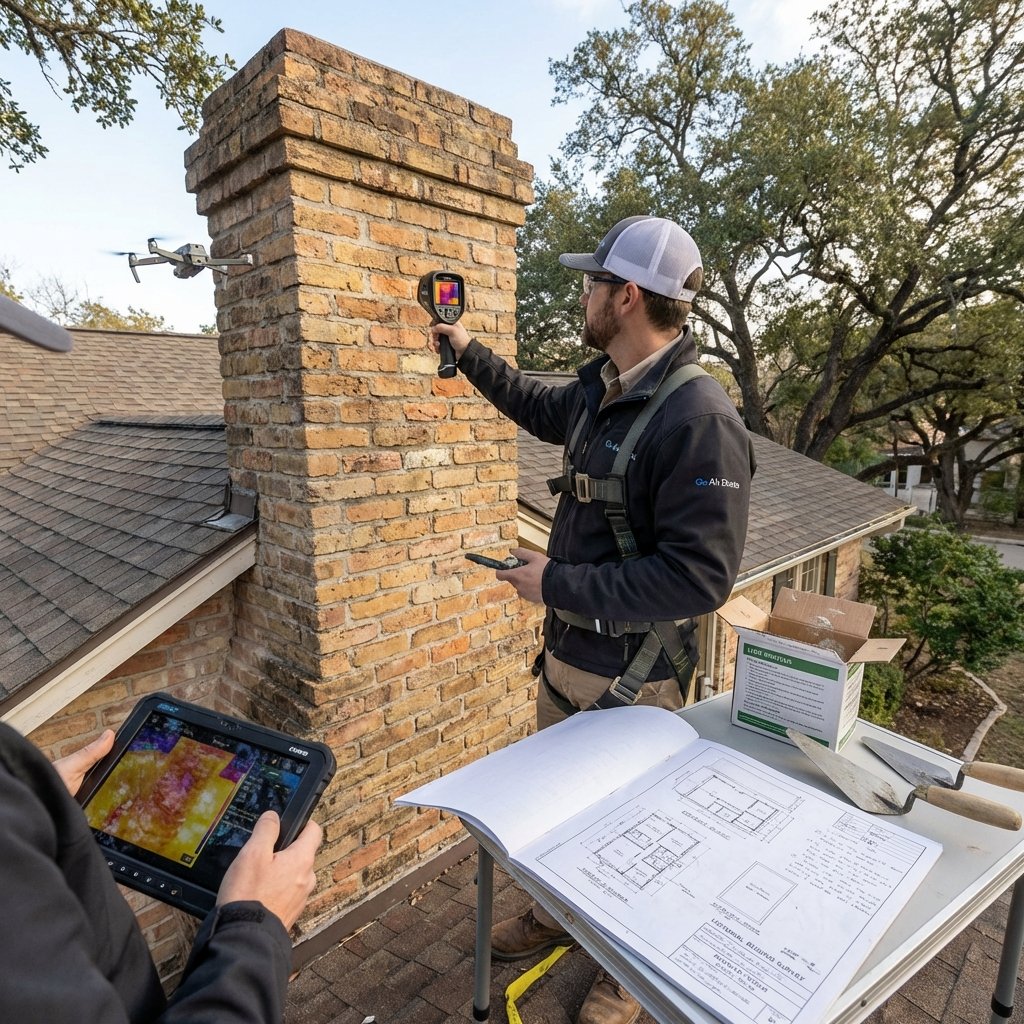
We employ several technologies that provide detailed information without damaging the structure. Digital imaging from outside allows us to see deterioration patterns, missing mortar, and areas of concern with high clarity. Thermal imaging, when appropriate, reveals moisture patterns behind the masonry surface. Where moisture is present, we can sometimes see temperature variations that indicate water presence even when the surface looks dry.
Moisture meters designed for masonry work give us non-destructive readings of water content within the outer inches of the chimney structure. This helps us determine whether a chimney that looks dry on the surface actually has internal moisture problems that need addressing. We use these readings to guide decisions about whether water management improvements are needed.
Video inspection equipment we use is specifically selected for historic structures. The cameras are lightweight, the insertion angles are gentle, and we can retrieve footage without risk to the chimney’s interior. We document internal conditions without the intrusive wire brushing or aggressive cleaning that damages old flues.
In rare cases where we need additional information, we may recommend a limited masonry evaluation by a historic preservation specialist. This goes beyond our inspection scope but helps you make informed decisions about complex restorations. We coordinate with these specialists and help you understand their findings in practical terms.
Repair Methods That Respect Historical Integrity
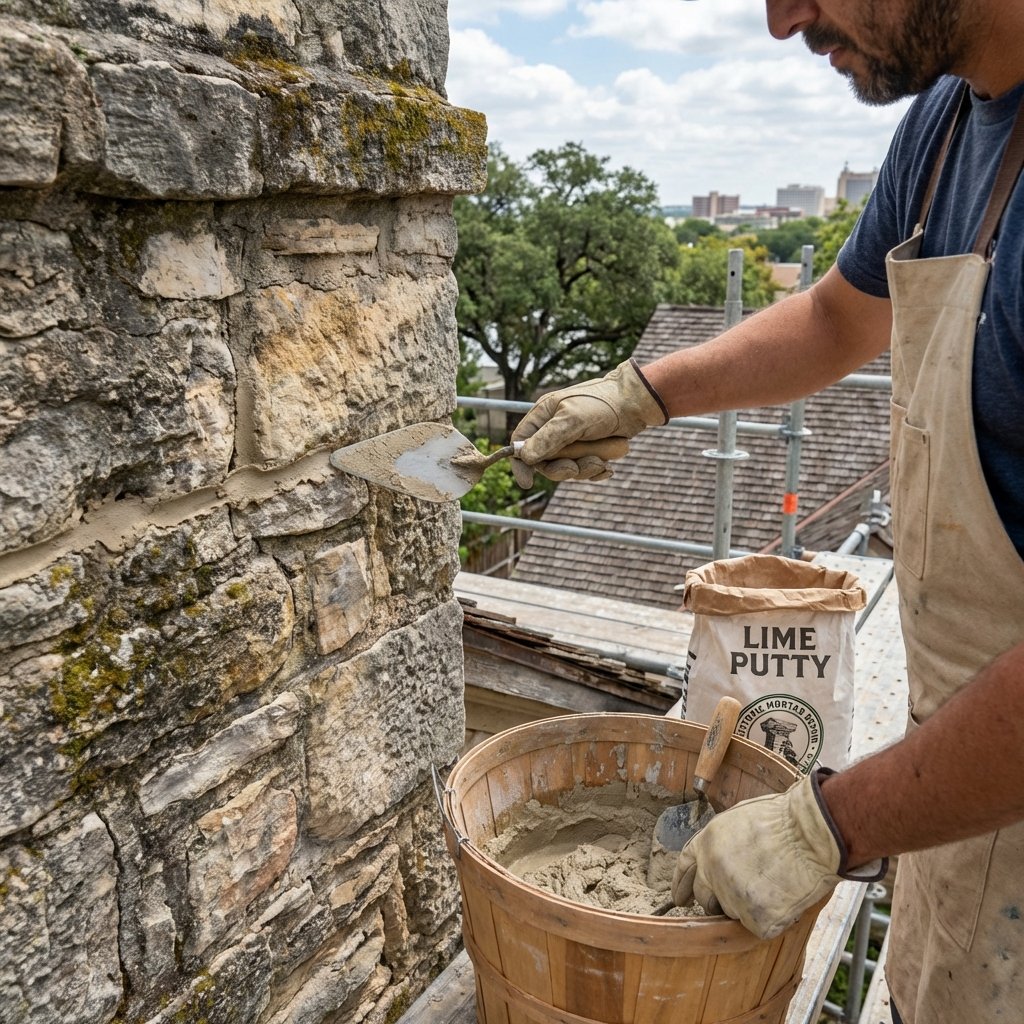
When repair is needed, we match our methods to the original construction. If your chimney was built with lime-based mortar, we use lime mortar to repoint joints. This isn’t just aesthetic preference; it’s structural necessity. Lime mortar has different working properties, different flexibility, and different breathability than modern materials. Using the right material prevents moisture from being trapped and transferred to surrounding brick.
For spalling brick, we evaluate whether the brick itself can be salvaged or if replacement is necessary. When replacement is required, we source salvaged brick from the same era and region whenever possible, ensuring color and texture match. This is more expensive than standard repair brick, but preserves the authenticity of your home’s facade.
Minor cracks and gaps are often sealed rather than fully repointed. We use flexible sealants appropriate to historic masonry that allow minor movement while preventing water entry. Full-joint repointing is reserved for joints where mortar has substantially failed, not for cosmetic purposes.
We preserve decorative chimney details like corbelling, brick patterns, or period-appropriate caps. If a cap needs replacement, we install one that matches the original style and proportions, not generic modern designs that alter the home’s visual character.
Matching Materials and Techniques to Your Home’s Era
Every decade of home construction brought different standards and materials. A chimney from a 1910 Federal-style home requires different care than one from a 1950s ranch. We research your home’s construction era and use that knowledge to guide our approach.
Homes built before 1930 almost always have lime-based mortar and hand-made brick with natural variations in color and size. Our repointing uses historically accurate lime mortar mixed to match original proportions. We hand-apply mortar using techniques that preserve the original joint profile and visual character.
Homes from the 1940s-1950s often sit in a transitional zone where some modern materials were beginning to be used alongside traditional ones. We evaluate which materials are original versus added later, then treat each appropriately. A chimney from 1948 might have lime mortar joints but a concrete cap added in 1975; we preserve what’s original and replace what’s not with period-appropriate alternatives.
We also consider regional variations. Central Texas chimneys differ from those built in other parts of the state due to local clay, available materials, and regional building traditions. Understanding these nuances helps us make recommendations that fit your specific home’s context.
Action step: Gather information about your home’s construction date and any past chimney work. Share this with us during your consultation; it helps us recommend exactly the right approach for your property.
When Restoration is Better Than Replacement
Many contractors default to chimney replacement because it’s simpler and more profitable than careful restoration. We recommend restoration unless the structure is genuinely unsafe or beyond repair. Replacement means losing the original character of your home, often requires matching the new chimney to the original appearance (which is expensive anyway), and disrupts interior walls and roofing in ways that restoration avoids.
True restoration is appropriate when the chimney’s structure is sound but the surface is deteriorated. We repoint mortar joints, stabilize spalling brick where possible, install proper water management, and address root causes of damage. This typically costs less than full replacement and preserves the authentic element of your home.
Replacement becomes necessary only when structural integrity is compromised, when internal flue damage makes the chimney unsafe for use, or when multiple failed repair attempts have left the structure beyond practical restoration. We assess this honestly; we won’t recommend a $15,000 restoration if a $8,000 replacement is truly the better choice. But in our experience, most chimneys benefit from skilled restoration.
Partial replacement is sometimes appropriate. If the top 3-4 feet of a chimney is severely damaged but the lower section is sound, we may rebuild just the affected section using period-appropriate materials, rather than removing the entire structure. This is more complex than full replacement but respects the historical integrity of the original lower section.
How Our Certified Technicians Handle Delicate Masonry Work
Our technicians working on historic chimneys receive specialized training beyond standard HVAC and chimney certification. They study historic mortar composition, original brick manufacturing, regional construction methods, and preservation principles. They understand not just how to fix a problem, but how to fix it in a way that respects the structure’s age and character.
Our team moves deliberately around historic chimneys. We use hand tools rather than power tools whenever possible, because control and precision matter more than speed. When we must use equipment, we select tools designed for delicate work. Repointing is done carefully by hand, matching joint depths and profiles to the original.
We protect surrounding areas before beginning work. Historic homes often have original trim, woodwork, or other materials near chimneys that shouldn’t be disturbed. We carefully shield these elements and work methodically to ensure no accidental damage occurs.
Each technician carries materials documentation. If we’re repointing with lime mortar, we bring test samples to ensure color match before beginning the full job. If we’re replacing brick, we have salvage options available before we start, not after. This preparation prevents mistakes that would be difficult or impossible to correct.
Protecting Your Investment While Maintaining Authenticity
A well-maintained historic chimney increases your home’s value and appeal far more than a modern replacement would. When you sell, buyers recognize and appreciate authenticity. Preservation-quality repairs signal that you’ve cared for the home’s character, which positively influences appraisals and buyer perception.
We document all work with photographs and detailed reports. These records prove that your chimney has been professionally maintained using appropriate methods, which is valuable information for future owners and appraisers. Over time, this documentation builds a valuable history of how the chimney has been cared for.
Proper maintenance also prevents small problems from becoming major ones. A failing mortar joint, addressed early with repointing, costs far less than waiting until water damage has compromised surrounding masonry. A missing cap, installed before water enters the chimney interior, prevents years of deterioration inside walls.
We recommend inspections every 3-5 years for historic chimneys, more frequently if the chimney shows signs of rapid deterioration. Regular attention catches issues early and keeps your chimney safe and functional for decades to come. This proactive approach is far more cost-effective than allowing damage to accumulate.
The Long-Term Benefits of Preservation-Sensitive Repairs
When we restore a historic chimney properly, we’re making an investment that pays dividends for decades. A well-executed repointing job using lime mortar can last 50-75 years before needing attention again, because the materials are working with the original structure rather than against it. Compare that to modern cement mortar that often fails within 15-20 years on a historic chimney.
Your home maintains its architectural integrity and market value. Historic homes with original chimneys in good condition command higher prices than those with modern replacements. The difference often exceeds the cost of quality restoration by a significant margin.
You preserve options for future work. When original materials and methods are maintained, future repairs become straightforward. But when past repairs have used incompatible materials or techniques, those mistakes often must be corrected before new work can be done properly, which adds cost and complexity.
The chimney functions safely and reliably. A properly restored chimney that has been repointed with appropriate mortar and fitted with a functional cap will draw correctly, shed water, and remain sound. You’ll avoid draft problems, water leaks, and expensive interior damage.
We’re here to guide you through the process. If you own a historic home in Austin or San Antonio and want to know whether your chimney needs attention, or if you’re planning restoration work and want expert guidance, reach out to us. We offer free service estimates and can walk you through what we find and what we recommend. Our goal is to help you keep your home’s original character intact while ensuring safety and function for years to come.
If you’re dealing with dust, poor airflow, mold in your ducts, or a clogged dryer vent — don’t wait. These issues can affect your health and safety. Go Air Ducts Group are the local experts in air duct cleaning, mold removal, dryer vent cleaning, and attic insulation. Call now for a free inspection and same-day service in Austin and San Antonio.
Frequently Asked Questions (FAQ)
What inspection methods do we use that won’t damage historic chimneys?
We use non-invasive technologies like thermal imaging and video scope inspections to assess your chimney’s condition without disturbing original masonry or mortar joints. Our certified technicians understand that traditional drilling or aggressive testing can compromise the structural integrity of older chimneys, so we rely on visual analysis and specialized equipment that evaluate damage patterns while preserving your home’s authenticity.
How do we decide between chimney repair and restoration for historic homes?
We assess whether the existing materials and construction methods can be safely restored to full function or if replacement components are necessary. If we can repair using period-appropriate techniques and matching materials, we prioritize restoration to maintain your home’s historical integrity. When structural damage is too severe, we’ll explain why replacement of specific sections is the only safe option and source materials that align with your home’s original era.
Why does material matching matter for historic chimney repairs?
Using modern mortar, bricks, or repair techniques on older chimneys can actually cause more damage over time because materials expand and contract differently than original masonry. We source and apply materials consistent with your home’s age and construction period so repairs perform properly and blend seamlessly with existing structures.