
Table of Contents
- Why Standard Filter Changes Aren't Enough for Texas Homes
- The Hidden Problems We Identify During Professional Inspections
- Reduced Airflow: What It Means and Why DIY Fixes Fall Short
- Dust Buildup and Debris: The Real Impact on Your HVAC System
- Odor Issues: Detecting Mold, Pet Dander, and Contamination
- Rising Energy Bills: How Clogged Ducts Drive Your Costs Up
- Our Diagnostic Process: How We Pinpoint Exactly What Your System Needs
- Why Professional Air Duct Cleaning Outperforms Other Solutions
- Our Comprehensive Service Approach vs. Partial Alternatives
- The Health Benefits Our Customers Experience After Cleaning
- How Our Certified Technicians Ensure Lasting Results
- Schedule Your Free Professional Assessment Today
- Frequently Asked Questions (FAQ)
Why Standard Filter Changes Aren’t Enough for Texas Homes
Your HVAC system works quietly in the background, keeping your Texas home comfortable year-round. But here’s what most homeowners don’t realize: changing your furnace filter every three months only addresses part of the problem. The ducts themselves accumulate dust, debris, mold spores, and contaminants that filters alone can’t stop. We’ve spent years serving Austin and San Antonio homeowners, and we see the same pattern repeatedly. Homes that skip professional air duct cleaning develop serious indoor air quality and efficiency issues that cost thousands in repairs and higher energy bills.
This guide walks you through the real warning signs we identify during inspections, what they mean for your health and wallet, and why our professional cleaning approach delivers results that DIY efforts and partial solutions simply can’t match.
Changing your furnace filter is important, but it’s only the first line of defense. Your filter captures particles moving directly through your HVAC unit, but it does nothing about the dust and contaminants already settled inside your ductwork.
Texas’s climate amplifies this problem. Our hot, dry summers paired with heavy AC usage mean your system cycles constantly, pulling dust from outside through every possible entry point. Pollen, soil particles, pet hair, and moisture all accumulate in your ducts faster than homeowners expect. Over time, these deposits build up on duct walls, restricting airflow and creating the perfect environment for mold growth.
We’ve inspected homes where the homeowner faithfully changed filters every month, yet the ducts inside looked like they hadn’t been cleaned in a decade. The filter catches fresh particles, but existing buildup remains untouched. A clogged duct system forces your HVAC to work harder, uses more electricity, and distributes stale, contaminated air throughout your home.
Your action step: Schedule a professional duct inspection to see what’s actually inside your system. Most filters show you nothing about what’s happening beyond the unit itself.
The Hidden Problems We Identify During Professional Inspections
When we arrive for an inspection, we bring video camera equipment that lets us see deep into your ductwork. This is where the real story emerges.
Many homes have sections of duct lined with a thick gray or black film that’s neither dust nor mold, but a combination of both mixed with pet dander and cooking residue. We find disconnected duct segments that have separated at joints, leaking conditioned air directly into attics or crawl spaces. We discover areas where moisture has accumulated, creating ideal conditions for microbial growth that creates musty odors and compromises air quality.
One Austin client called us after noticing poor airflow in their master bedroom. During our inspection, we found a section of flexible ductwork that had partially collapsed, restricting airflow by nearly 60 percent. The homeowner had no idea this was happening, and it had been degrading their comfort for months while also forcing their system to work overtime.
We also identify improper duct sizing, which is surprisingly common in homes that have had previous HVAC work done. If your ducts are too small for your system’s capacity, you’ll experience weak airflow and reduced comfort even with a newer HVAC unit.
Your action step: Request a video duct inspection. Visual confirmation beats guessing, and it gives you clear evidence of what needs attention.
Reduced Airflow: What It Means and Why DIY Fixes Fall Short
Weak airflow is one of the most noticeable signs that professional cleaning is needed. You feel it when certain rooms stay warm while others remain cold, or when your AC struggles to reach the thermostat setting.
This problem rarely fixes itself with filter changes or duct tape patches. Reduced airflow signals one of three issues: blockage from debris accumulation, duct leakage, or structural collapse. We’ve seen homeowners attempt to “improve” airflow by closing vents in unused rooms or adjusting their thermostat settings. These band-aids mask the real problem without solving it.
When we clean ducts professionally, we use high-powered equipment that dislodges years of buildup from duct walls. We don’t just vacuum; we agitate, scrub, and extract. The difference is immediate. Customers report noticing warmer or cooler air reaching distant rooms within hours of our work.
Partial cleaning services that only clean accessible ductwork leave the worst sections untouched. Your main supply trunk might be spotless, but return air ducts (which pull air from your home back to the furnace) often harbor the heaviest contamination. If those aren’t cleaned thoroughly, you’re still breathing recirculated pollutants.
Your action step: Don’t adjust your thermostat or close vents as a solution. Instead, have a professional diagnose whether blockage is reducing your airflow. Proper cleaning addresses the root cause, not the symptom.
Dust Buildup and Debris: The Real Impact on Your HVAC System
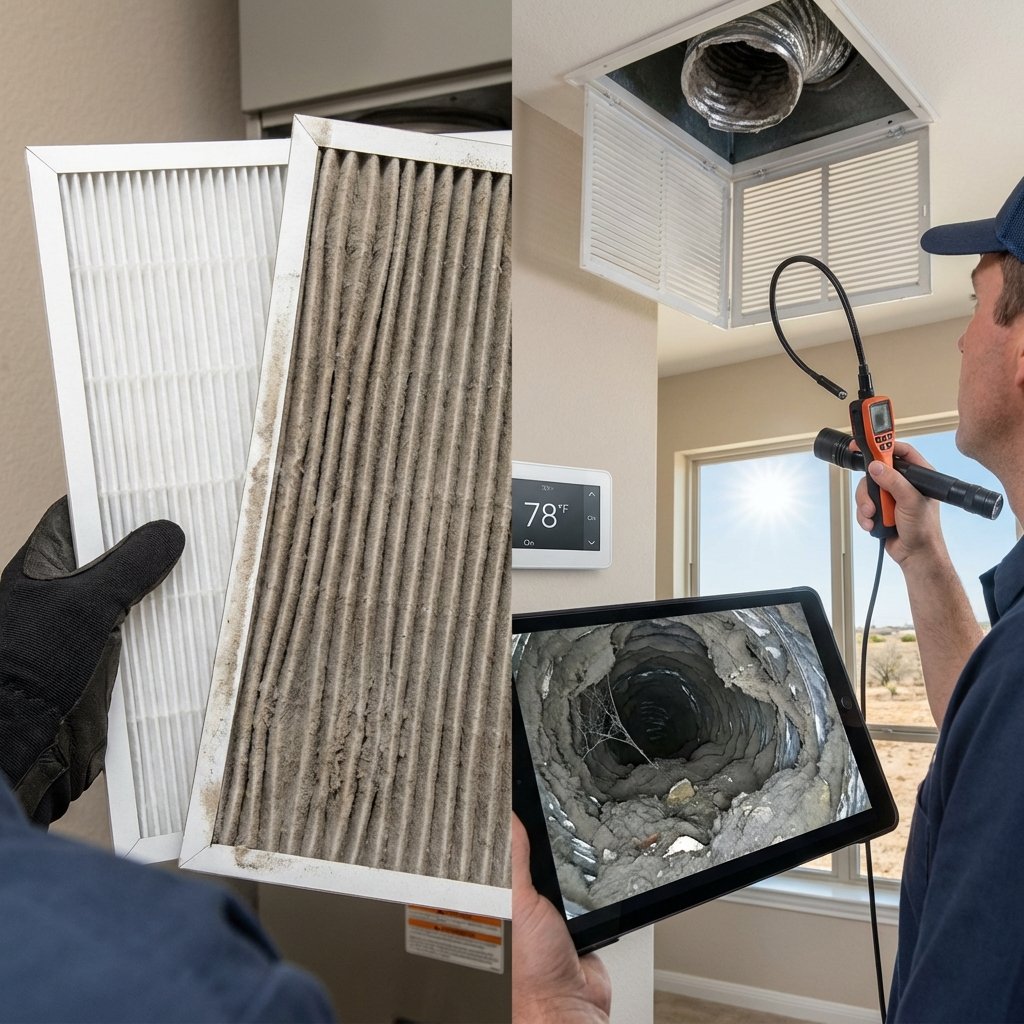
Texas dust isn’t just an inconvenience. Dust and debris buildup during long AC seasons creates tangible consequences for your equipment and air quality.
When dust settles on the heat exchanger and cooling coils inside your furnace or air handler, it acts as insulation, making those components less efficient. Your system has to run longer to achieve the same temperature. We’ve measured energy consumption before and after cleaning, and the difference is significant, often translating to 10 to 15 percent lower monthly bills for customers with heavy dust accumulation.
Beyond efficiency, dust circulating through your home lands on furniture, bedding, and surfaces. Families with allergies or asthma notice symptoms worsen when ductwork is clogged. Children develop respiratory issues that improve noticeably after professional cleaning.
The hidden dust problems in Texas homes extend beyond what you can see. Dust mites thrive in this environment, and their waste products are potent allergens. Pet hair and dander accumulate in quantities that far exceed what your filter captures.
Our cleaning process removes debris from every duct section, including return ducts that are hardest to access. We also clean the blower wheel and coils, which are primary dust collection points that homeowners often forget exist.
Your action step: If you have allergies, asthma, or notice dust settling quickly on your furniture, schedule an inspection. Dust-heavy ducts are often the culprit, and cleaning produces immediate relief.
Odor Issues: Detecting Mold, Pet Dander, and Contamination
Strange smells coming from your vents are never normal, and they’re always worth investigating. We find that musty, moldy odors typically indicate moisture in the ductwork, often concentrated in return air ducts.
This happens frequently in San Antonio, where humidity levels spike in summer. If your ductwork isn’t properly sealed or insulated, humid outside air leaks in. Inside the cool duct environment, that moisture condenses, creating a petri dish for mold growth. The smell spreads throughout your home every time your system runs.
We’ve also traced unpleasant odors to decomposing pet waste or dead insects inside ducts. One homeowner complained of a foul smell that only appeared when the AC ran. We found a dead rodent that had been trapped in a return duct for weeks.
Professional cleaning removes the source of odors, whether that’s mold colonies, accumulated pet hair and dander, or decomposition. We also identify moisture sources and recommend solutions like duct sealing or dehumidification to prevent recurrence.
DIY odor solutions like duct spray or scented filters only mask the problem. The underlying contamination remains, continuing to affect air quality and create health risks.
Your action step: Don’t ignore odors. Report them during your inspection so we can identify the contamination source and address it completely.
Rising Energy Bills: How Clogged Ducts Drive Your Costs Up
If your energy bills have crept up without obvious reasons, your ductwork is a likely culprit. A clogged duct system forces your HVAC to work harder, cycling longer to achieve your desired temperature.
We’ve documented cases where homeowners paid $300 to $400 more monthly during summer because their ducts were severely restricted. They assumed their newer AC unit was inefficient or the utility company was charging more. In reality, decades of dust buildup had reduced system efficiency by nearly 40 percent.
Duct leaks compound this problem. If your supply ducts have holes or separated joints, conditioned air escapes into your attic or crawl space instead of reaching your living areas. Your system runs endlessly, trying to maintain temperature in a losing battle against leakage.
When we perform our diagnostic process, we measure duct leakage using specialized blower door equipment. We can quantify exactly how much air you’re losing and how much that’s costing you annually. Most homeowners are shocked to learn they’re cooling or heating their attics.
Professional cleaning, combined with duct sealing and insulation upgrades, reduces energy consumption noticeably. Customers typically see savings within the first month of completed work.
Your action step: Compare your recent energy bills to last year’s same months. A significant increase warrants a professional duct evaluation. The inspection cost is minimal compared to months of excess energy waste.
Our Diagnostic Process: How We Pinpoint Exactly What Your System Needs
We don’t recommend cleaning every duct system with a one-size-fits-all approach. Instead, we diagnose what your specific situation requires.
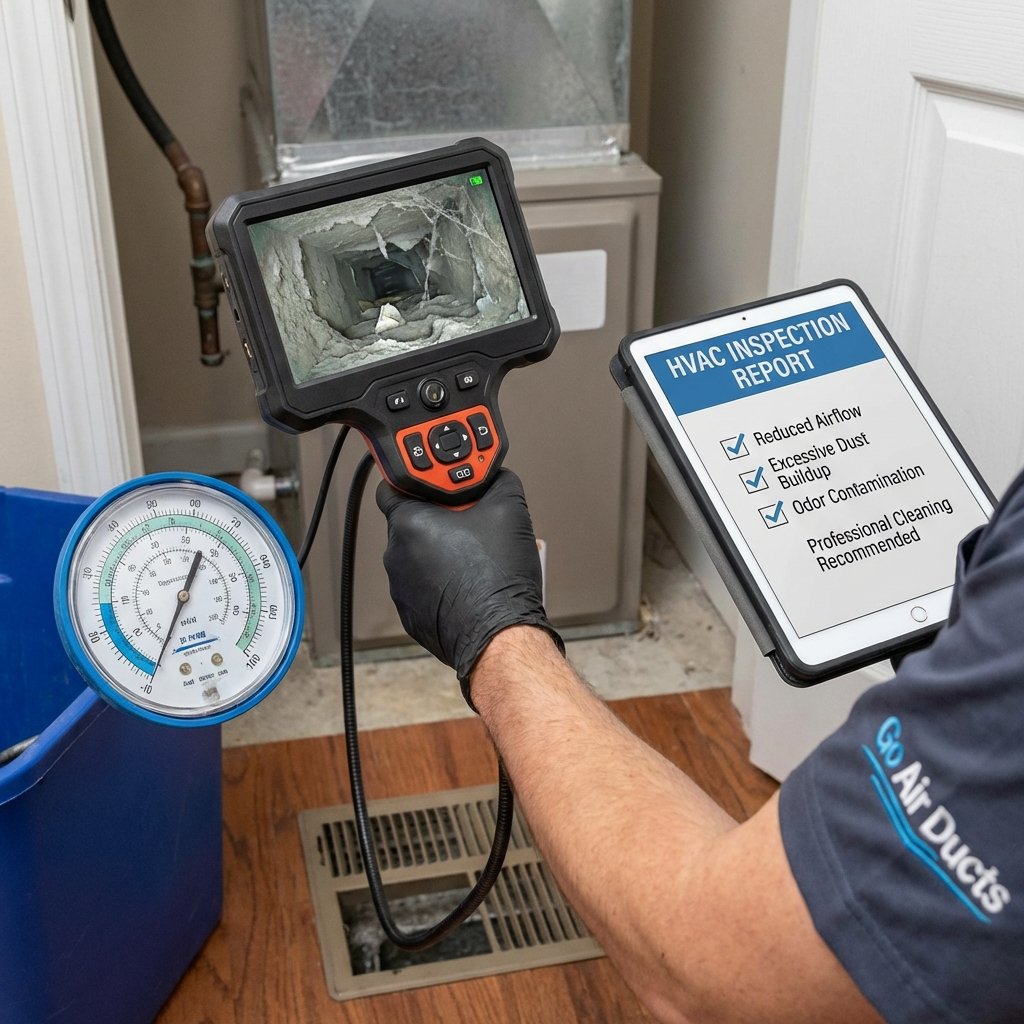
Our process starts with a comprehensive video inspection of all accessible ductwork. We photograph and document what we find, showing you exactly what exists inside your ducts. Next, we run airflow tests using specialized equipment to measure how much air is actually reaching different areas of your home. We check for duct leakage, which reveals gaps and separated joints that waste conditioned air.
We also assess your HVAC unit itself, looking at the blower wheel, coils, and heat exchanger. Dust accumulation in these areas tells us whether your ducts are feeding contaminated air back into the system. We evaluate your furnace filter to understand how effectively it’s capturing particles and how frequently you should replace it.
Only after this complete assessment do we recommend specific services. Some homes benefit primarily from duct cleaning and sealing. Others need additional work like insulation upgrades to prevent temperature loss in attic ducts. A few require dryer vent cleaning or mold remediation as part of a comprehensive solution.
This diagnostic-first approach means you invest in what your home actually needs, not unnecessary services.
Your action step: Request our free professional assessment. We’ll evaluate your system thoroughly and provide a clear, itemized recommendation with honest explanations for each service.
Why Professional Air Duct Cleaning Outperforms Other Solutions
Some homeowners try to save money with vacuum truck services that suck out loose debris, or spray treatments that claim to sanitize ducts chemically. These approaches fall short in meaningful ways.
Vacuum-only cleaning removes surface dust but doesn’t address buildup adhered to duct walls. It’s like vacuuming your house without dusting surfaces. Spray treatments add chemicals to your ductwork and don’t remove the actual contamination; they just mask odors temporarily.
Our method involves agitation and extraction. We use equipment that physically dislodges stuck-on debris, loosening it from duct walls before extracting it. This removes the source of contamination rather than hiding it. For mold-affected ducts, we combine mechanical cleaning with targeted treatments that address microbial growth without relying on sprays alone.
We also clean components that other services skip entirely: the blower wheel, return air plenum, and supply trunk. These areas collect the heaviest debris and directly affect air quality and system efficiency.
The result is a truly clean duct system that performs efficiently and distributes healthier air throughout your home.
Your action step: Ask any contractor specifically what equipment they use and whether they clean blower wheels and coils. Vague answers suggest surface-level service.
Our Comprehensive Service Approach vs. Partial Alternatives
Some companies offer duct cleaning as a standalone service without addressing related problems. This leaves your system vulnerable to recurring issues.
We take a comprehensive approach. During cleaning, we inspect and seal duct joints and leaks. If we find insulation deficiencies, we recommend upgrades that prevent temperature loss and moisture problems. When we discover dryer vent issues during our inspection, we schedule that cleaning simultaneously.
This bundled approach is more efficient than calling multiple contractors. It’s also more cost-effective because addressing issues together prevents future problems. A sealed, insulated duct system stays clean longer and operates more efficiently than one that’s cleaned but left with gaps and poor insulation.
We also include preventive recommendations, like guidance on filter replacement frequency and moisture control. These help you maintain results between professional cleanings.
Homeowners who piece together services from different companies often find that one contractor’s work is undone by another’s oversight. We manage your entire duct system as an integrated unit.
Your action step: When getting quotes, ask whether the contractor offers duct sealing, insulation, and related services. Comprehensive providers deliver better long-term results.
The Health Benefits Our Customers Experience After Cleaning
The most satisfying feedback we receive isn’t about energy savings, though those matter. It’s about health improvements.
Parents tell us their children’s asthma attacks decrease after we clean their ducts. Allergy sufferers report needing antihistamines less frequently. People with pet allergies notice they can spend more time in their homes comfortably. Customers with chronic sinus issues describe breathing easier than they have in years.
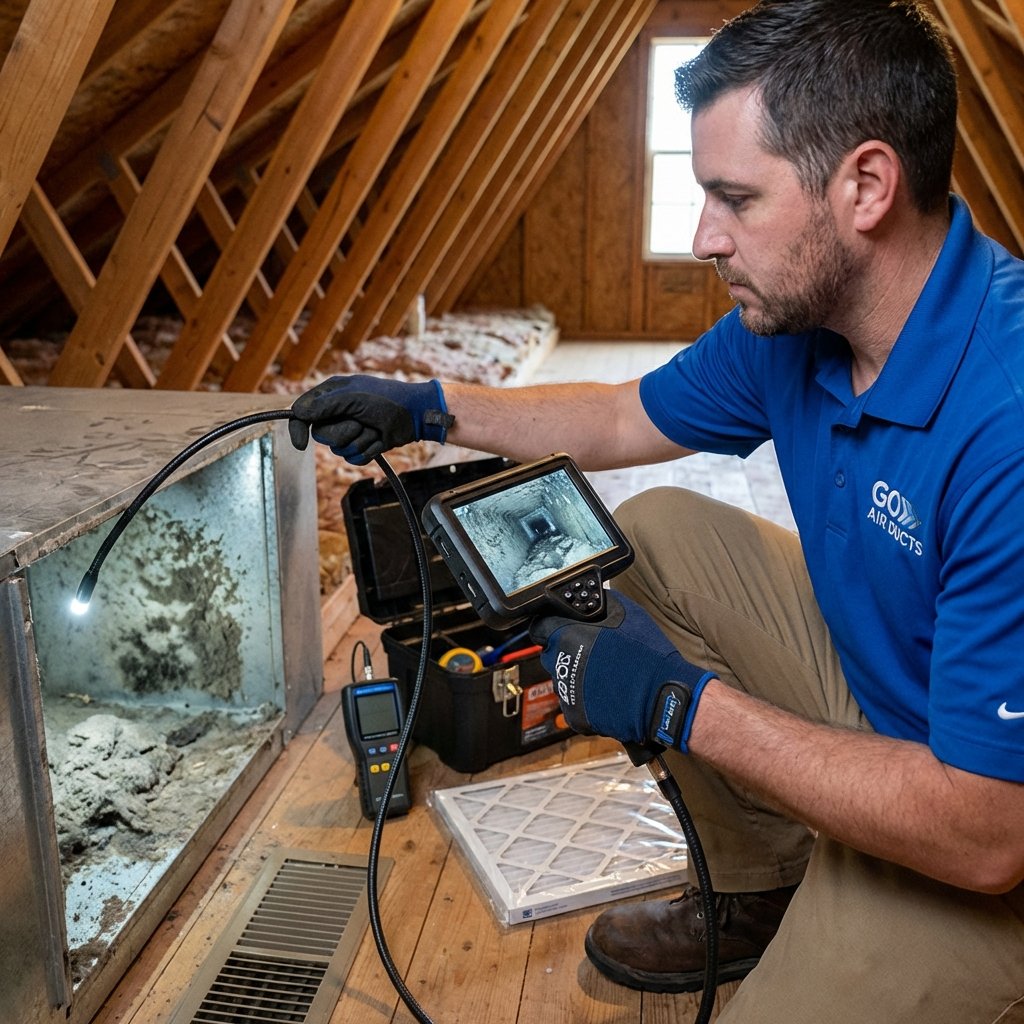
These improvements happen because clean ducts distribute air free from mold spores, pet dander, dust mites, and other allergens. Your respiratory system isn’t constantly fighting contaminated air.
We’ve also observed improvements in sleep quality. Customers report sleeping better when their bedrooms receive clean, properly conditioned air. This matters more than many people realize. Poor indoor air quality disrupts sleep, and better air quality improves sleep duration and quality.
Homes with young children or elderly residents benefit especially. These populations are more vulnerable to respiratory issues triggered by poor air quality. Professional duct cleaning is an investment in their health.
Your action step: If anyone in your household suffers from allergies, asthma, or respiratory sensitivity, prioritize getting a duct inspection. The health improvements often justify the investment immediately.
How Our Certified Technicians Ensure Lasting Results
Our technicians aren’t just trained; they’re certified through industry standards and hold EPA certifications where applicable. This matters because duct cleaning, when done improperly, can damage your system or leave contamination behind.
We train our team on equipment operation, safety protocols, and the specifics of different duct types. We know how to handle flexible ducting without collapsing it. We understand which sealed systems require special handling to maintain integrity. We know how to extract debris completely without creating a mess in your home.
This expertise translates directly into lasting results. After we clean your ducts, they stay cleaner longer because we’ve removed all the debris anchored to duct walls. We’ve also addressed the conditions that caused rapid recontamination.
Our follow-up is equally important. We provide written documentation of what we cleaned and what we recommend for maintenance. If an issue arises post-service, we address it because we stand behind our work with a satisfaction guarantee.
Your action step: Verify any contractor’s certifications before hiring. Ask about their training on duct types and their approach to preventing system damage during cleaning.
Schedule Your Free Professional Assessment Today
If you’ve noticed any of the signs we’ve discussed, the next step is simple: get a professional diagnosis.
We offer free service estimates for all Austin and San Antonio homeowners. During this assessment, we’ll inspect your ductwork thoroughly, identify contamination or efficiency issues, and explain exactly what your system needs. There’s no obligation, and you’ll walk away with clear understanding of your situation.
What we’ve learned serving Texas homeowners is that every duct system has a unique story. What your home needs might differ from your neighbor’s, which is why we never recommend cleaning without first understanding what’s actually present in your ducts.
Contact us today to schedule your free assessment. We’re available for same-day or next-day service in Dallas, Houston, Austin, and San Antonio. Let’s get your air ducts genuinely clean, your system running efficiently, and your home’s air quality where it should be.
If you’re dealing with dust, poor airflow, mold in your ducts, or a clogged dryer vent — don’t wait. These issues can affect your health and safety. Go Air Ducts Group are the local experts in air duct cleaning, mold removal, dryer vent cleaning, and attic insulation. Call now for a free inspection and same-day service in Austin and San Antonio.
Frequently Asked Questions (FAQ)
How do we know if your air ducts need cleaning beyond just changing your filter?
We recommend professional inspection when you notice reduced airflow from vents, visible dust accumulation around your registers, or musty odors coming from your system. During our diagnostic process, we use video inspection technology to identify hidden mold, debris buildup, and contamination that standard filters miss. If your energy bills are climbing or household members are experiencing unexplained allergies, these are also strong indicators that your ductwork needs our attention.
What makes professional air duct cleaning different from what homeowners can do themselves?
We have the specialized equipment and training to safely access your entire duct system, including hard-to-reach areas where mold and pet dander accumulate. Our certified technicians apply industry-standard cleaning methods that remove deep-seated debris without damaging your ducts or HVAC components. We also identify underlying problems like air leaks or insulation damage during the process, which DIY approaches simply cannot address.
Will cleaning our air ducts actually lower our energy bills?
Yes, we consistently see energy savings for our customers once we remove blockages and restore proper airflow through the system. When debris restricts airflow, your HVAC unit works harder and longer to reach your desired temperature, driving up utility costs. We’ve found that cleaning combined with any necessary insulation upgrades typically results in measurable savings within the first month of operation.