
🕑 12 min read
How often should Austin homes have ductwork inspected?
Most Austin homes should have ductwork inspected every 2 to 3 years, or sooner with allergies, pets, renovations, or rising energy bills. Regular inspection catches leaks and mold early. Go Air Ducts provides professional ductwork inspection in Austin to keep your system efficient and your air clean.
Table of Contents
- Why Austin Homeowners Can’t Ignore Ductwork Inspections
- Understanding Your Home’s Hidden Air Quality Problem
- How Often Should You Inspect Your Austin Ductwork
- Signs Your Ducts Need Professional Inspection Now
- The Hidden Costs of Skipping Regular Inspections
- How We Perform Comprehensive Ductwork Inspections
- What Happens During Our Austin Inspection Process
- Common Issues We Discover in Austin Homes
- Creating Your Custom Inspection and Maintenance Plan
- Why Professional Expertise Matters in Austin’s Climate
- Schedule Your Free Ductwork Inspection Today
- Frequently Asked Questions (FAQ)
Why Austin Homeowners Can’t Ignore Ductwork Inspections
Your HVAC system works year-round in Austin’s demanding climate, pushing heated or cooled air through thousands of feet of ductwork hidden behind walls, in attics, and under crawlspaces. Most homeowners never give those ducts a second thought until something goes wrong, but that’s a costly mistake. Regular ductwork inspections are foundational to maintaining indoor air quality, energy efficiency, and system performance.
We’ve inspected thousands of homes across Austin and consistently find issues that homeowners didn’t know existed. Dust accumulation, small leaks, disconnected sections, and even pest intrusions silently reduce your HVAC efficiency and circulate contaminants through your living space. The good news is that a straightforward inspection schedule catches problems early, when they’re cheaper and easier to fix.
Think of ductwork inspection like changing your car’s oil. You wouldn’t wait until the engine seizes to check it. Your home’s respiratory system deserves the same proactive care.
Understanding Your Home’s Hidden Air Quality Problem
Austin’s dry climate and occasional dust storms make indoor air quality a real concern for homeowners. When your ductwork isn’t clean or properly sealed, you’re not just circulating air, you’re circulating dust, pollen, pet dander, and potentially mold spores.
Here’s what happens: as your HVAC system runs, it draws air through return ducts. If those ducts have gaps, holes, or heavy buildup, the system pulls in unfiltered air from attics, crawlspaces, or behind walls. That contaminated air reaches your furnace or AC unit, passes through your filter, and gets distributed back into your home. Over time, layers of dust coat the interior surfaces of your ducts, reducing airflow and trapping allergens.
Many homeowners attribute persistent allergies, coughing, or musty odors to other causes when the real culprit is sitting in their attic. We’ve had customers tell us their allergies disappeared after a professional duct cleaning, and their energy bills dropped noticeably at the same time.
How Often Should You Inspect Your Austin Ductwork
The short answer is every 2 to 3 years for most Austin homes, with some circumstances requiring more frequent checks.
If your home is relatively new and you haven’t had pest problems or water damage, every 3 years is reasonable. If you have pets, live in an older home, or notice declining airflow or rising energy bills, move to a 2-year cycle. After any HVAC system work, ductwork replacement, or water damage event, get an inspection within 30 days to catch secondary issues.
Here’s a practical timeline for Austin homeowners:
- Brand new homes (under 5 years old): First inspection at year 2, then every 3 years
- Homes 5-15 years old: Every 2 to 3 years, depending on system age and prior issues
- Homes over 15 years old: Every 2 years or before major HVAC repairs
- Homes with pets or allergy sufferers: Every 18 to 24 months
- After water damage or pest activity: Immediately, then return to regular schedule
The frequency isn’t arbitrary. Austin’s heat cycles, humidity fluctuations, and occasional severe weather create conditions where ductwork deteriorates or becomes compromised. Regular inspections catch leaks, seal failures, and buildup before they become expensive problems.
Signs Your Ducts Need Professional Inspection Now
Don’t wait for your scheduled inspection if you notice any of these red flags:
Visible signs of trouble:
- Uneven cooling or heating across different rooms
- Visible dust or debris around supply vents or return grilles
- Musty or moldy odors when the system runs
- Sudden increase in energy bills without obvious cause
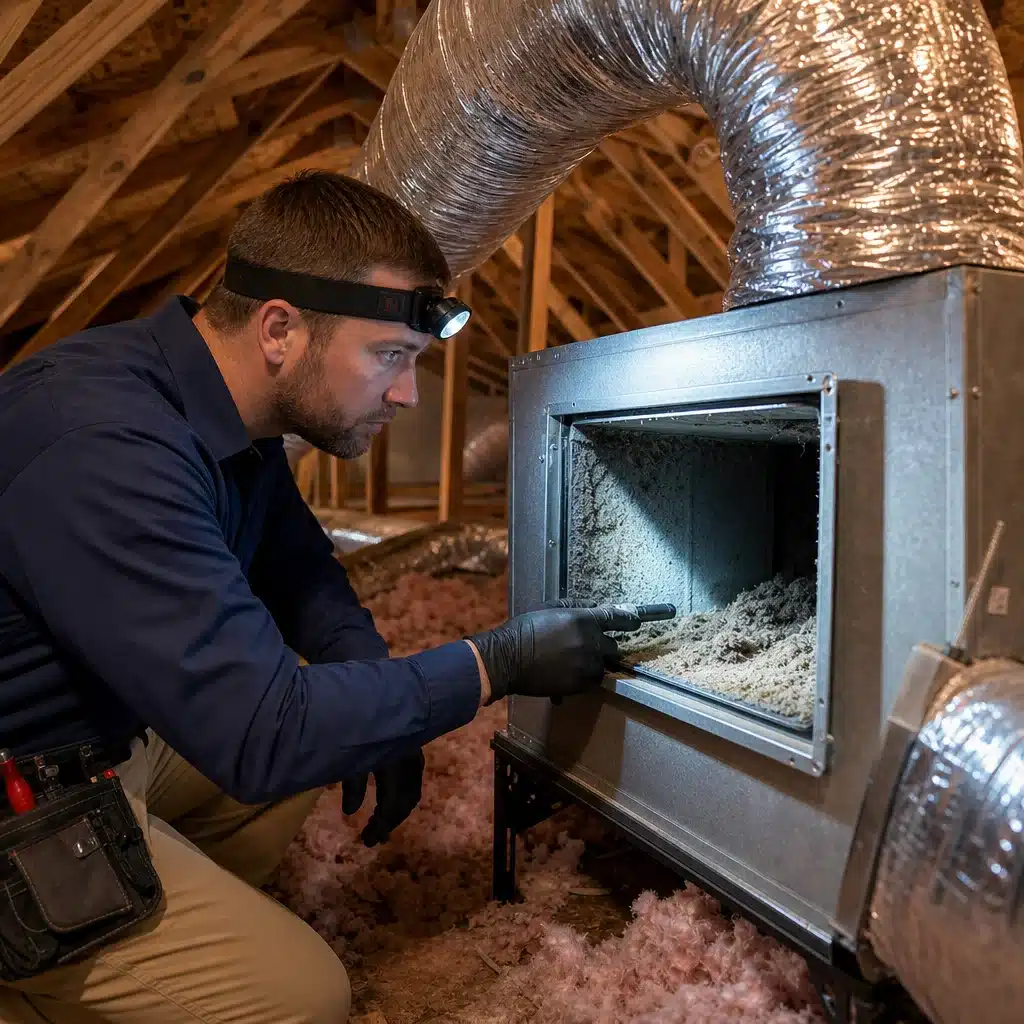
Performance changes:
- Your AC or furnace runs longer than it used to but doesn’t reach the target temperature
- You hear whistling, rattling, or unusual noise from vents
- Visible mold growth inside your AC unit or return ductwork
- Dead spots in your home where it’s significantly warmer or cooler than other areas
Physical indicators:
- Black dust or debris falling from vents
- Condensation or water stains around ducts or in the attic
- Crushed or visibly damaged ductwork during attic inspections
Any of these warrant an immediate professional inspection. We offer free estimates, so there’s no financial barrier to getting answers.
The Hidden Costs of Skipping Regular Inspections
Postponing ductwork inspections creates a domino effect of problems and expenses.
First, there’s the energy penalty. A 2026 study found that homes with compromised ductwork lose 15-30% of conditioned air before it reaches living spaces. If your ductwork has leaks or hasn’t been cleaned in years, you’re essentially paying to cool or heat your attic instead of your home. Over a year, that translates to hundreds of dollars in wasted electricity.
Second, deferred inspections allow problems to compound. A small leak in a flexible duct section might seem minor, but it expands over months. That same gap can become an entry point for pests, dust, and moisture. By the time you notice the issue, you may need entire duct sections replaced rather than simple sealing.
Third, poor ductwork efficiency stresses your HVAC equipment. When ducts leak or are clogged with buildup, your furnace or air conditioner has to work harder to maintain your set temperature. Components wear out faster, and you’ll face costly repairs or premature replacement.
Finally, there’s the health cost. Homes with neglected ductwork circulate more allergens, dust, and potentially mold spores. Residents experience more respiratory issues, allergies flare up, and indoor air quality suffers. For families with asthma or severe allergies, this isn’t trivial.
Regular inspections catch these issues early when fixes are simple and affordable. That’s genuine preventive maintenance.
How We Perform Comprehensive Ductwork Inspections
Our inspection process combines visual assessment, equipment diagnostics, and real-world airflow testing to give you a complete picture of your system’s health.
We start with a walkthrough of accessible ductwork, noting the type (fiberglass, metal, or flexible), visible condition, and any obvious damage or disconnections. We check duct insulation for deterioration and look for signs of pest activity or moisture.
Next, we use specialized equipment to measure airflow at your supply vents and return grilles. If airflow is significantly lower than design specifications, we know there’s buildup, leakage, or blockage somewhere in the system. Our technicians also perform a blower door test in some cases to identify duct leakage rates.
We inspect your furnace and AC equipment, checking whether ductwork connections are secure and whether the system is pulling air from unwanted sources. This is where we often find disconnected flex ducts running into unconditioned spaces, a common issue in Austin homes.
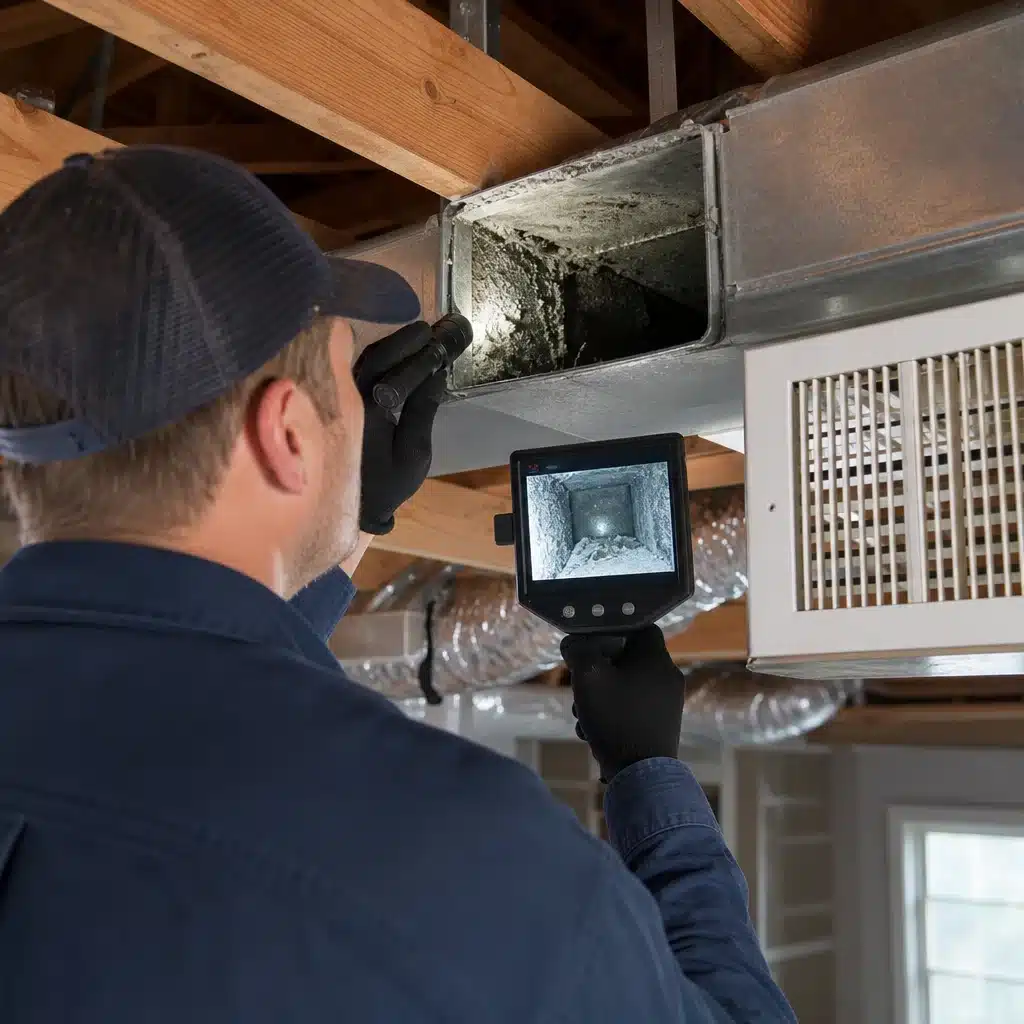
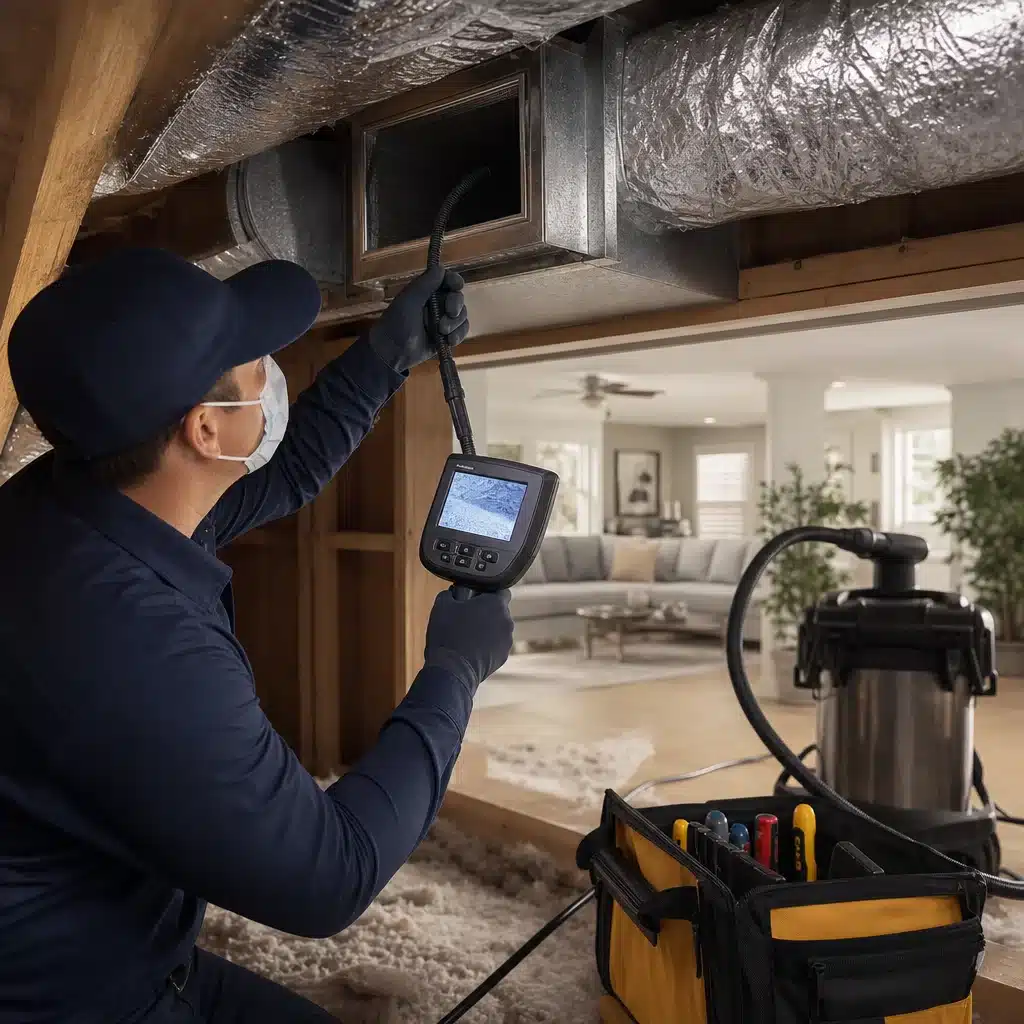
For a deeper look, we use video inspection cameras to see inside your ducts without invasive tearing open walls. This reveals dust accumulation, mold, pest droppings, or damage that wouldn’t be visible from an access point.
Finally, we discuss findings with you, show photos or video, and provide a detailed report with recommendations for cleaning, sealing, or repairs. If we identify issues like common duct problems or potential mold, we explain what’s happening and what fixing it involves.
What Happens During Our Austin Inspection Process
When you schedule your free inspection, here’s what you can expect:
One of our certified technicians arrives at your scheduled time and introduces themselves. They’ll ask about any concerns you’ve had, whether you’ve noticed changes in comfort or air quality, and whether there have been any recent water damage events or pest issues. This conversation helps us target the inspection.
We then access your HVAC equipment and ductwork. In most Austin homes, this means going into the attic, basement, or crawlspace to see the main duct runs and plenum. We document the ductwork configuration, materials, insulation condition, and any visible damage.
At supply vents and return grilles throughout your home, we measure airflow with a handheld anemometer. Significant variations between rooms or lower-than-expected readings tell us there’s a problem.
If we spot areas of concern, we may use our video inspection equipment to look deeper into duct sections. This is non-invasive and gives us clear images of what’s happening inside.
We gather all findings and prepare a comprehensive report. Before we leave, we walk you through our findings, explain what we found in plain language, and discuss your options. No pressure, no upselling. If your ducts are in good shape, we’ll tell you that. If cleaning or repairs are recommended, we explain why and provide transparent pricing.
Common Issues We Discover in Austin Homes
Over years of inspecting Austin ductwork, certain problems appear repeatedly.
Dust and debris accumulation is the most common finding. In homes that haven’t had ductwork cleaned in 5+ years, we regularly find buildup thick enough to noticeably restrict airflow. Austin’s dry climate and occasional dust storms contribute to this problem.
Duct leakage at seams and connections is another frequent issue. Metal ducts develop small holes or corrosion over time. Flexible ducts can tear or become detached at connection points, especially in attics where temperature swings are extreme.
Mold growth surfaces more often in Austin than many homeowners realize. When moisture enters ductwork during the humid summer months, mold can establish itself on duct interior surfaces. Air duct mold remediation becomes necessary, along with identifying and fixing the moisture source.
Pest intrusion is surprisingly common. Rodents and insects find their way into ductwork, leave droppings, and sometimes nest inside ducts. Aside from the obvious hygiene issue, they damage ductwork and create entry points for more pests.
Disconnected or undersized return ducts are typical in older homes. We’ll find that the return air system is pulling air from the attic or crawlspace rather than from living areas, which means dust and heat are being circulated back into conditioned spaces.
Poor insulation on ductwork in unconditioned spaces leads to energy loss. In summer, uninsulated ducts running through attics lose cooling capacity. In winter, they lose heat.
None of these problems fix themselves. But all are preventable or manageable with regular inspections and timely maintenance.
Creating Your Custom Inspection and Maintenance Plan
After your inspection, we work with you to develop a realistic maintenance schedule tailored to your home’s specific conditions.
If your ducts are clean and sealed properly, we’ll recommend the standard 3-year inspection interval with a reminder system so you don’t forget. If we found minor dust buildup or small leaks, we might suggest a duct cleaning followed by a 2-year inspection schedule. For homes with mold, pest damage, or significant leakage, we establish a more frequent check-in, sometimes with seasonal inspections until underlying issues are resolved.
We also discuss seasonal maintenance tasks you can handle yourself, like changing your HVAC filter monthly, ensuring return air grilles aren’t blocked by furniture or drapes, and checking visible ductwork in your attic for obvious damage or gaps.
Our team provides written recommendations so you have something to reference. Many customers appreciate having a clear action plan rather than wondering what to do or when.
Why Professional Expertise Matters in Austin’s Climate
Austin’s climate is unique, and that affects ductwork performance in ways that might not apply in other regions.
Summers are intense and dry, with temperatures regularly exceeding 95 degrees Fahrenheit. Your AC system runs constantly, and any inefficiency in ductwork is magnified. Leaking ducts waste cooling capacity you paid for. Dirty ducts reduce airflow, making your system work harder and shortening equipment life.
Winter temperatures fluctuate more than many people expect. A 70-degree day followed by a 35-degree night creates thermal stress on ductwork, especially uninsulated sections in attics or crawlspaces. Seams can separate, and flexible ducts can become brittle.
Seasonal humidity shifts in spring and fall create conditions for mold growth if ductwork isn’t properly sealed and insulated. Our local experience gives us insight into where problems typically develop in Austin homes so we can inspect thoroughly and prevent issues before they start.
Our technicians understand Austin’s building codes, common construction practices in the area, and the specific vulnerabilities of homes built in different decades. That knowledge matters when we’re diagnosing problems or recommending solutions.
Schedule Your Free Ductwork Inspection Today
Your ductwork is the circulatory system of your home. Like your body’s circulation, it needs regular checkups to function well.
We offer free, no-obligation ductwork inspections for Austin-area homeowners. We’ll assess your system, identify any issues, and provide clear recommendations without pressure or surprise charges. Many customers use our inspection as an opportunity to understand their HVAC system better and plan preventive maintenance before problems become expensive.
Call us today or visit our website to schedule. We serve Austin, San Antonio, Dallas, and Houston with same-day or next-day appointments in most cases. Our certified technicians arrive on time, explain findings clearly, and treat your home with the respect it deserves.
If you’ve been wondering how often to inspect your ductwork or suspect something isn’t right with your system, there’s no better time to get answers than now. Let’s make sure your home is comfortable, efficient, and healthy.
For further reading: Austin ductwork inspection guide.
If you’re dealing with dust, poor airflow, mold in your ducts, or a clogged dryer vent — don’t wait. These issues can affect your health and safety. Go Air Ducts Group are the local experts in air duct cleaning, mold removal, dryer vent cleaning, and attic insulation. Call now for a free inspection and same-day service in Austin and San Antonio.
Frequently Asked Questions (FAQ)
How often should we inspect our Austin ductwork?
We recommend that most Austin homeowners have their ductwork professionally inspected every 2-3 years as part of regular HVAC maintenance. However, if you notice reduced airflow, increased allergies, or haven’t had an inspection in over five years, we suggest scheduling one sooner. Homes with pets, recent renovations, or visible dust around vents may benefit from annual inspections to catch issues early.
What problems do you typically find during Austin ductwork inspections?
We commonly discover dust accumulation, mold growth (especially in our humid climate), disconnected or leaking joints, and pest intrusion in Austin homes. These issues directly impact your indoor air quality and force your HVAC system to work harder, increasing energy bills. We also find inadequate insulation in attic ducts, which is particularly problematic during our hot summers and mild winters.
How much does a ductwork inspection cost?
We provide free estimates for all our inspection services, so you’ll know exactly what we find and what options we recommend before any work begins. Once we complete our thorough inspection, we’ll present you with a detailed report and discuss any necessary cleaning, repairs, or upgrades tailored to your specific situation.