
🕑 12 min read
What is the best attic blow-in insulation for 2026?
Blow-in insulation fills gaps and hard-to-reach areas better than batts, giving Texas homes stronger, more even coverage against heat. Cellulose and fiberglass are both excellent choices depending on budget and goals. Go Air Ducts installs blow-in attic insulation across Austin and San Antonio to cut cooling costs and boost comfort in 2026.
Table of Contents
- Why Attic Insulation Matters for Texas Homeowners
- Common Problems with Poor Attic Insulation
- What Makes Professional Blow-In Insulation Different
- Our Certification and Expert Standards at Go Air Ducts
- Energy Efficiency Gains You Can Expect
- The Go Air Ducts Installation Process Explained
- Why We're the Top Choice for Austin and San Antonio
- How We Compare to DIY and Cheaper Alternatives
- Customer Success Stories from Our Texas Service Areas
- Free Estimate and Next Steps
- Frequently Asked Questions (FAQ)
Why Attic Insulation Matters for Texas Homeowners
Your attic is one of the most critical zones in your home when it comes to energy efficiency and comfort. In Texas, where summer heat routinely pushes past 95 degrees and cooling costs can spike dramatically, a properly insulated attic acts as a barrier that keeps conditioned air inside and outdoor heat outside. Without adequate insulation, your HVAC system works overtime, driving up monthly energy bills while failing to maintain consistent temperatures throughout your home.
We’ve seen this firsthand across Austin and San Antonio. Many homeowners don’t realize that heat loss and gain happen primarily through the attic space. In fact, inadequate attic insulation can account for 25-30% of your home’s energy loss during winter and a similar percentage of unwanted heat gain in summer. Beyond energy costs, proper attic insulation also protects your roof structure, reduces moisture problems, and creates an environment less hospitable to pests and mold.
The investment in quality attic blow-in insulation pays dividends. You’ll notice lower utility bills within weeks, more stable indoor temperatures, and reduced strain on your HVAC equipment. For homeowners concerned about long-term durability and performance, professional blow-in insulation is a non-negotiable upgrade.
Common Problems with Poor Attic Insulation
Homes with insufficient attic insulation develop predictable problems that compound over time. The most visible issue is temperature swings: your upstairs bedrooms feel hot in summer while downstairs stays cold, or you can’t achieve a comfortable temperature without cranking the thermostat.
Energy bills tell another story. If you’ve noticed your cooling costs rising year over year despite not changing your habits, poor attic insulation is often the culprit. We’ve completed energy audits for Austin homeowners where inadequate insulation was responsible for 30-40% higher summer cooling bills than similar homes in the neighborhood.
Poor insulation also creates moisture and mold risks. In Texas’s humid climate, inadequate attic ventilation combined with thin or compressed insulation allows moisture to accumulate. This leads to mold growth on roof decking and joists, which compromises structural integrity and poses health risks. Additionally, gaps in insulation allow warm, humid indoor air to reach cold surfaces in the attic, accelerating condensation and decay.
Pest infiltration becomes easier when insulation has settled or degraded. Rodents and insects find it simpler to enter and nest in sparse insulation. Once established, they damage existing insulation further and contaminate it with droppings, reducing its R-value and creating hygiene concerns.
Finally, underinsulated attics put extra load on your HVAC system. Compressors run longer cycles to compensate for heat loss and gain, shortening equipment lifespan and increasing repair costs.
What Makes Professional Blow-In Insulation Different
Blow-in insulation offers advantages that rolled fiberglass or batts simply cannot match. Professional installation fills every cavity, corner, and gap uniformly, creating a continuous thermal barrier with no cold spots. This is especially important in attics where irregular framing, pipes, and ductwork create complex spaces that manual installation leaves poorly insulated.
The equipment we use applies insulation with precise density and depth. This ensures you achieve the target R-value (typically R-38 to R-60 in Texas) consistently across the entire attic. Homeowners who attempt DIY blown-in insulation often underestimate the required depth or density, resulting in an insulation layer that looks full but underperforms.
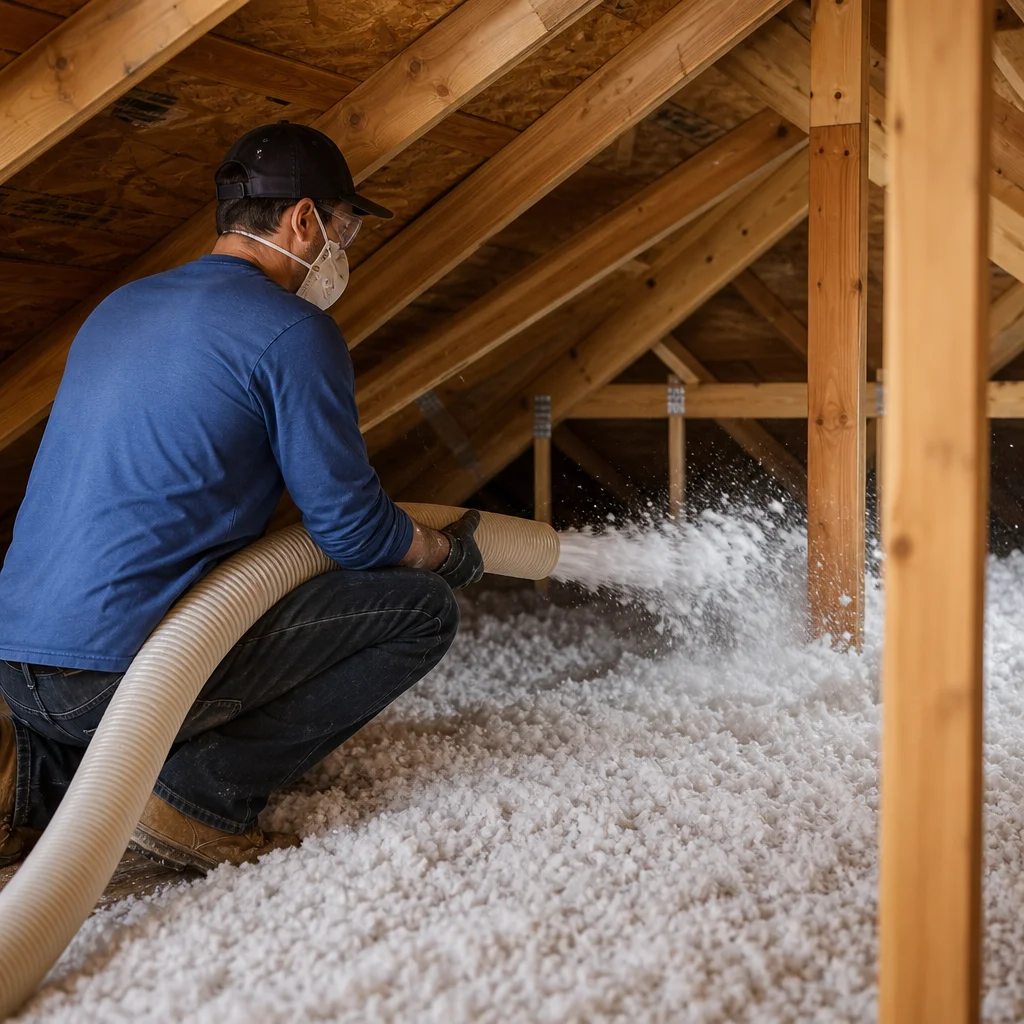
Blow-in materials also settle evenly over time. We use cellulose or fiberglass that’s treated for fire resistance and moisture performance, meeting or exceeding current building codes. The installation process also allows us to address air sealing and ventilation, which work together with insulation to optimize attic performance.
Our professional blow-in insulation services include a thorough site assessment. We identify existing insulation depth, check for air leaks, evaluate ventilation, and test for moisture or mold before we begin. This diagnostic approach means we design a solution tailored to your home’s specific needs rather than applying a one-size-fits-all approach.
Our Certification and Expert Standards at Go Air Ducts
We take pride in our credentials. All our technicians hold EPA certifications and are trained in the latest HVAC and insulation best practices. Our team stays current with Texas building codes and energy efficiency standards, ensuring every installation meets or exceeds local requirements.
Our installation process follows the Insulation Contractors Association (ICA) guidelines. Before any insulation goes into your attic, we complete air sealing around electrical boxes, ductwork penetrations, and other areas where air leaks commonly occur. This step is critical because insulation alone cannot stop air movement; air sealing and insulation work together to achieve maximum efficiency.
We also verify proper attic ventilation. An attic needs balanced intake and exhaust vents to prevent moisture accumulation. We assess your existing ventilation and recommend upgrades if necessary. This attention to ventilation protects your insulation investment and prevents the attic insulation mold prevention problems we see too often in older homes.
Before leaving your home, we document the R-value achieved, provide a written warranty on materials and workmanship, and walk you through maintenance expectations. Transparency and accountability are built into how we operate.
Energy Efficiency Gains You Can Expect
A properly insulated attic directly reduces your HVAC operating costs. Homeowners in Austin and San Antonio typically see 15-25% reductions in cooling costs during the first summer after professional blow-in installation. This varies based on your existing insulation level, home size, and local utility rates, but the impact is measurable and immediate.
Beyond summer savings, winter heating costs drop as well. While Texas winters are mild compared to northern states, holding conditioned heat during cooler months still contributes meaningful savings. Over a full heating and cooling season, many homeowners recoup 20-30% of their investment within the first two years.
The efficiency gains compound over time. As your HVAC system runs fewer cycles to maintain comfort, components experience less wear. This extends equipment lifespan and reduces unscheduled repairs. We’ve had customers report fewer service calls and greater equipment reliability within months of installation.
Additionally, proper attic insulation improves comfort consistency. That temperature differential between upstairs and downstairs shrinks considerably, meaning your whole home reaches your desired temperature more efficiently. No more hot spots or cold zones.
The Go Air Ducts Installation Process Explained
Our installation begins with a comprehensive attic assessment. We measure existing insulation depth in multiple locations, look for air leaks, check for moisture or mold, and evaluate ventilation. We’ll also discuss your energy goals and answer questions about how the work affects your home.
Once you approve the plan, we schedule installation at your convenience. On installation day, our crew protects your home by covering floor openings with plastic sheeting and laying protective coverings in high-traffic areas. We then seal all air leaks around electrical boxes, ductwork, and pipe penetrations using fire-rated caulk and weatherstripping.
Next comes the blow-in process. Our equipment applies cellulose or fiberglass insulation to the target depth and density. We work systematically across the attic, ensuring uniform coverage. The process takes 4-8 hours depending on attic size and existing conditions.
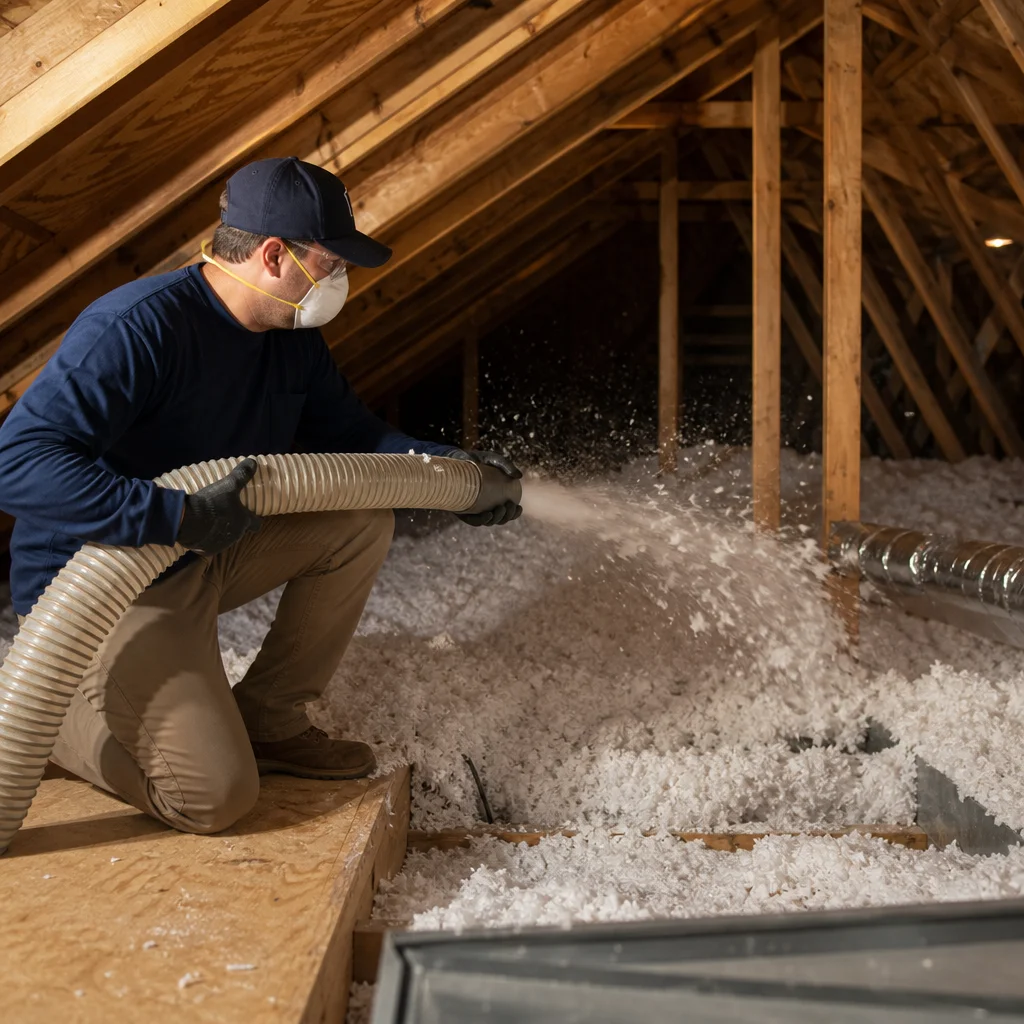
After insulation is installed, we perform a final quality check. We verify depth and density using a probe, ensure ventilation is unobstructed, and confirm that air sealing is complete. We also clear any blocked soffit vents that would impede air circulation.
Before we leave, you’ll receive documentation of the work completed, including photos and R-value certification. We also discuss seasonal maintenance and how to monitor your energy bills to confirm the efficiency gains.
Why We’re the Top Choice for Austin and San Antonio
We’ve served Austin and San Antonio for years, and our reputation is built on understanding local climate challenges and delivering solutions that work in our specific environment. We know how Texas heat and humidity affect attic performance, and our recommendations reflect that expertise.
Our Austin insulation contractors are genuinely local. We’re not a national franchise with rotating crews; we’re invested in our community and stand behind our work long-term. We also maintain relationships with local code officials and utility companies, keeping us informed about rebates and incentive programs available to homeowners.
Response times matter to us. We offer same-day estimates in most cases and can often schedule installation within 1-2 weeks. If your attic insulation is affecting your comfort or driving up energy bills, we don’t make you wait months for service.
We also bundle services. If your attic assessment reveals ductwork issues, ventilation problems, or mold concerns, we can address those in coordination with insulation work. This integrated approach saves time and ensures your entire HVAC system performs optimally.
How We Compare to DIY and Cheaper Alternatives
DIY blow-in insulation might seem like a cost-saver, but the risks outweigh savings. Renting equipment and purchasing materials often costs 60-70% of what professional installation runs, yet the result rarely achieves proper density or R-value. Many homeowners underestimate how much insulation is needed, resulting in partial coverage that looks complete but underperforms.
There’s also safety to consider. Working in an attic presents falls, electrical hazards, and exposure to dust and particles. Professional crews have proper safety equipment and training.
Cheaper contractors, meanwhile, often cut corners on air sealing or ventilation assessment. They may skip the diagnostic phase entirely and simply blow insulation into whatever space exists. This results in lower long-term performance and leaves you exposed to future moisture or mold problems.
Our pricing reflects the quality of our work, materials, and expertise. We’re not the cheapest option available, but we deliver measurable energy savings, proper installation, and a warranty that protects your investment. When you factor in 15-25% energy bill reductions over 3-5 years, the ROI becomes clear.
We also help clients access attic insulation rebates that reduce upfront costs. Texas utilities and state programs often provide rebates or tax credits for energy-efficient insulation upgrades, meaning your net investment may be significantly lower than you initially expect.
Customer Success Stories from Our Texas Service Areas
A homeowner in South Austin had an older home with minimal attic insulation and ongoing hot upstairs bedrooms. After we installed blow-in cellulose to R-50, her summer cooling bills dropped $80-120 per month. She also noticed the master bedroom no longer became a sauna after 3 PM. Within 18 months, the insulation had paid for itself.
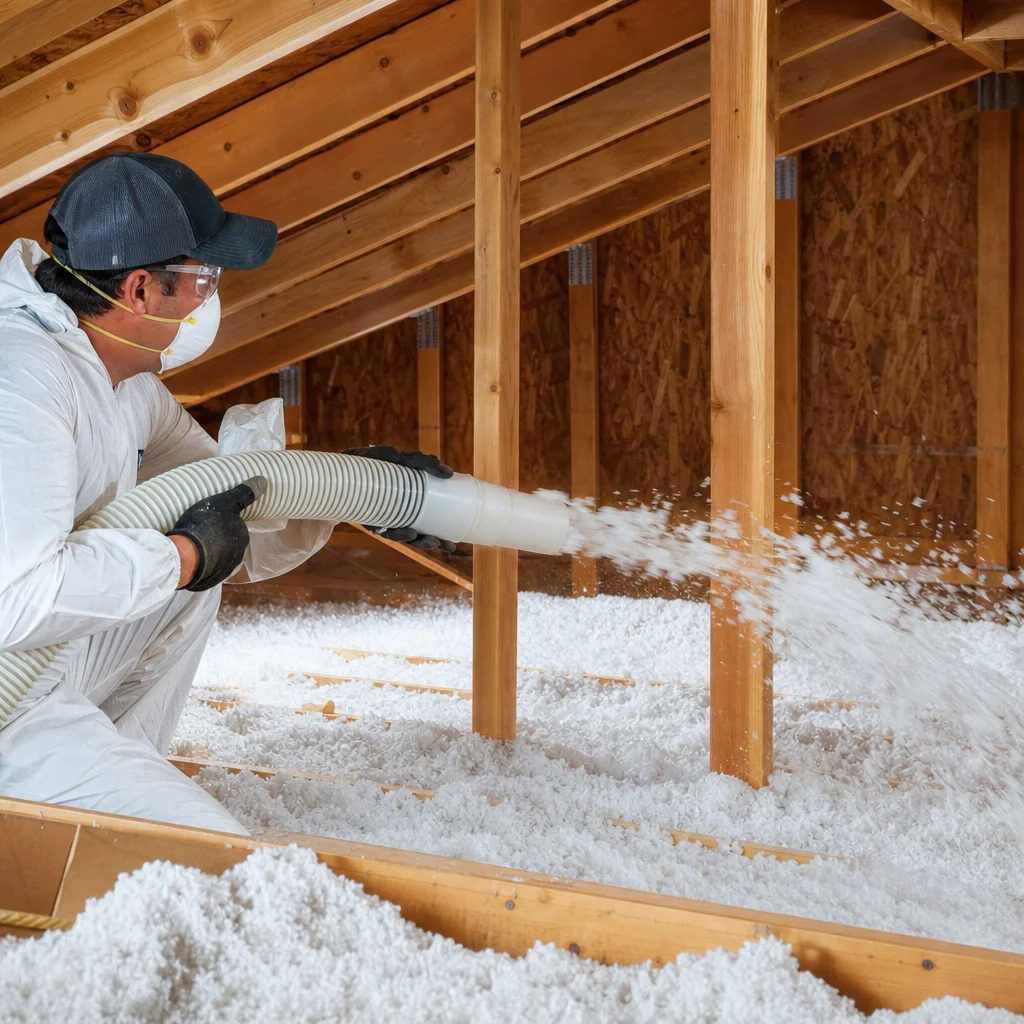
Another San Antonio customer noticed moisture spots on their attic framing and suspected mold. Our assessment revealed inadequate insulation combined with poor ventilation. We sealed air leaks, upgraded ventilation, and installed blown-in insulation. The moisture issue resolved, and subsequent inspections showed no mold recurrence. The customer appreciated that we didn’t just band-aid the insulation problem but addressed the root cause.
A family in North Austin reported uneven temperatures that made it difficult to keep their home comfortable despite high thermostat settings. Their HVAC technician recommended insulation assessment. We found R-19 in the attic when R-38 was needed for their area. After upgrading to R-45, temperature consistency improved noticeably, and their HVAC ran fewer cycles. Lower bills and better comfort combined to make them enthusiastic referral sources.
These aren’t isolated outcomes. They reflect the consistent impact of proper attic insulation performed by experienced, careful professionals.
Free Estimate and Next Steps
The easiest way to move forward is to request a free, no-obligation estimate. Contact us at Go Air Ducts or call for same-day scheduling in Austin or San Antonio. During the estimate visit, one of our certified technicians will assess your attic, discuss your energy concerns, and provide a detailed proposal with pricing and timeline.
We’ll explain what R-value your home needs, discuss air sealing and ventilation as part of the overall plan, and walk you through expected energy savings. We’ll also let you know about available rebates that might reduce your out-of-pocket cost.
Once you approve the estimate, we handle all scheduling, permitting if necessary, and coordination with your utility company for rebate paperwork. Installation is efficient and minimally disruptive, and we’ll leave your home clean and your attic optimized for performance.
Don’t let an underinsulated attic continue driving up your energy bills or compromising your comfort. Our best insulation services in Austin are proven, locally trusted, and ready to transform your home’s thermal performance. Contact us today for your free estimate and take the first step toward lower energy costs and year-round comfort.
If you’re dealing with dust, poor airflow, mold in your ducts, or a clogged dryer vent — don’t wait. These issues can affect your health and safety. Go Air Ducts Group are the local experts in air duct cleaning, mold removal, dryer vent cleaning, and attic insulation. Call now for a free inspection and same-day service in Austin and San Antonio.
Frequently Asked Questions (FAQ)
How much can we help you save on energy costs with attic blow-in insulation?
We typically see our Austin and San Antonio customers reduce their heating and cooling expenses by 15-25% after our insulation installation, depending on their current attic conditions and home size. The actual savings depend on factors like your existing insulation levels, local climate patterns, and how efficiently your HVAC system operates. We provide a detailed energy analysis with your free estimate so you’ll know exactly what to expect before we start work.
What’s the timeline for completing an attic blow-in insulation project?
Most residential projects take us 1-2 days to complete, though larger homes or those requiring additional air sealing may need an extra day. We schedule our work around your availability and always prep your space properly to minimize disruption to your home. On your consultation call, we’ll give you a specific timeframe based on your attic’s size and current condition.
Why should we hire Go Air Ducts instead of doing this ourselves or choosing a cheaper contractor?
We bring certified HVAC expertise that goes beyond just blowing in insulation – we identify air leaks, moisture issues, and ventilation problems that DIY work typically misses, which means you get better results long-term. Our crews are trained to handle Texas’s specific climate challenges and building codes, and we guarantee our workmanship with proper documentation. Choosing cheaper alternatives often means inadequate coverage, settling problems, or missed opportunities to address underlying air quality issues we’d catch during installation.