
🕑 12 min read
Table of Contents
- Why Indoor Allergens Affect Your Home's Air Quality
- How Poor Insulation Worsens Allergy Symptoms
- Our Blow-In Insulation Solution for Allergen Control
- The Connection Between Insulation and HVAC Efficiency
- Why We Choose Premium Materials for Maximum Allergen Reduction
- Our Professional Installation Process Protects Your Indoor Environment
- Real Results: How Austin and San Antonio Homeowners Breathe Easier
- Combining Blow-In Insulation With Our Air Duct Cleaning Services
- Energy Savings You'll Notice While Improving Air Quality
- Getting Your Free Estimate and Custom Allergen Solution
- Frequently Asked Questions (FAQ)





Why Indoor Allergens Affect Your Home’s Air Quality
Allergies don’t take a break, especially in Texas. Pollen counts spike in spring and fall, mold spores thrive in our humid climate, and dust accumulates faster than most homeowners realize. If you’re waking up with congestion, experiencing itchy eyes indoors, or noticing your HVAC system working overtime, the culprit might not just be outdoor air quality. The truth is, your home’s insulation plays a critical role in how many allergens circulate through your living spaces.
We’ve spent years helping Austin and San Antonio homeowners address this exact problem. Poor insulation creates gaps where outside air, dust, pollen, and moisture seep in unchecked. When combined with an aging HVAC system or dirty air ducts, these gaps become highways for allergens. Blow-in insulation installation is one of the most effective ways we combat this issue while also cutting energy costs. Let’s walk through how it works and why so many Texas homeowners are choosing this solution.
Indoor allergens are more than just annoying. They’re constantly circulating through your home, settling on surfaces, and being pulled into your lungs every time you breathe. Common Texas culprits include dust mites, pet dander, mold spores, pollen that drifts indoors, and cockroach debris.
The problem intensifies because your home is designed to be sealed for air conditioning efficiency. That same seal that keeps cool air in during summer heat also traps allergens inside. Dust particles don’t just disappear; they settle on furniture, bedding, and air vents, then get recirculated every time your HVAC cycles on. For people with asthma, allergies, or respiratory sensitivity, this creates a compounding problem over weeks and months.
What makes this worse in Texas specifically: Our humidity levels create the perfect breeding ground for mold and dust mites. Temperatures stay warm enough year-round that these allergens thrive in attics and wall cavities. If your insulation is old, compressed, or poorly installed, it won’t effectively seal out moisture and the allergens that come with it.
Start paying attention to when your symptoms worsen. Is it worse at night? After a few hours at home? These patterns tell us whether the problem originates from outdoor air leakage or recirculated indoor air. Either way, your insulation’s air-sealing capability directly impacts what you’re breathing.
How Poor Insulation Worsens Allergy Symptoms
Think of insulation as your home’s first line of defense against outside contaminants. Old, settled, or incorrectly installed insulation has gaps and voids. Through these gaps, unconditioned outdoor air carrying pollen, dust, and humidity enters your living spaces without being filtered by your HVAC system.
We frequently inspect homes and find that the original fiberglass batts have settled unevenly, leaving the top third of the wall cavity nearly empty. This isn’t just an energy problem; it’s an allergen gateway. Outdoor air bypasses your furnace filter and air ducts entirely, heading straight into bedrooms and living areas.
Another issue we see regularly is moisture penetration. Poor insulation fails to create an effective moisture barrier, so humid outdoor air moves into wall cavities where it promotes mold growth. You can’t see mold developing inside walls and attics, but spores eventually make their way into your home’s air through HVAC returns and natural air currents.
Older insulation also absorbs and retains dust. Once dust accumulates in fiberglass batts or blown-in cellulose that’s become compacted, it becomes a steady source of airborne particles. Every time air moves across it, more dust is released into the system.
The impact on your symptoms: If you’ve noticed that air quality seems worse in certain rooms or on windy days, poor insulation is likely the reason. Wind pressure pushes outdoor air through gaps in poorly insulated walls and attics, bringing allergens directly into your home.
Our Blow-In Insulation Solution for Allergen Control
We recommend blow-in insulation for allergen control because of how thoroughly it seals your home. Unlike traditional batts that rely on perfect installation and can settle over time, blown-in insulation fills every cavity, nook, and gap. There are no voids where allergens can slip through.
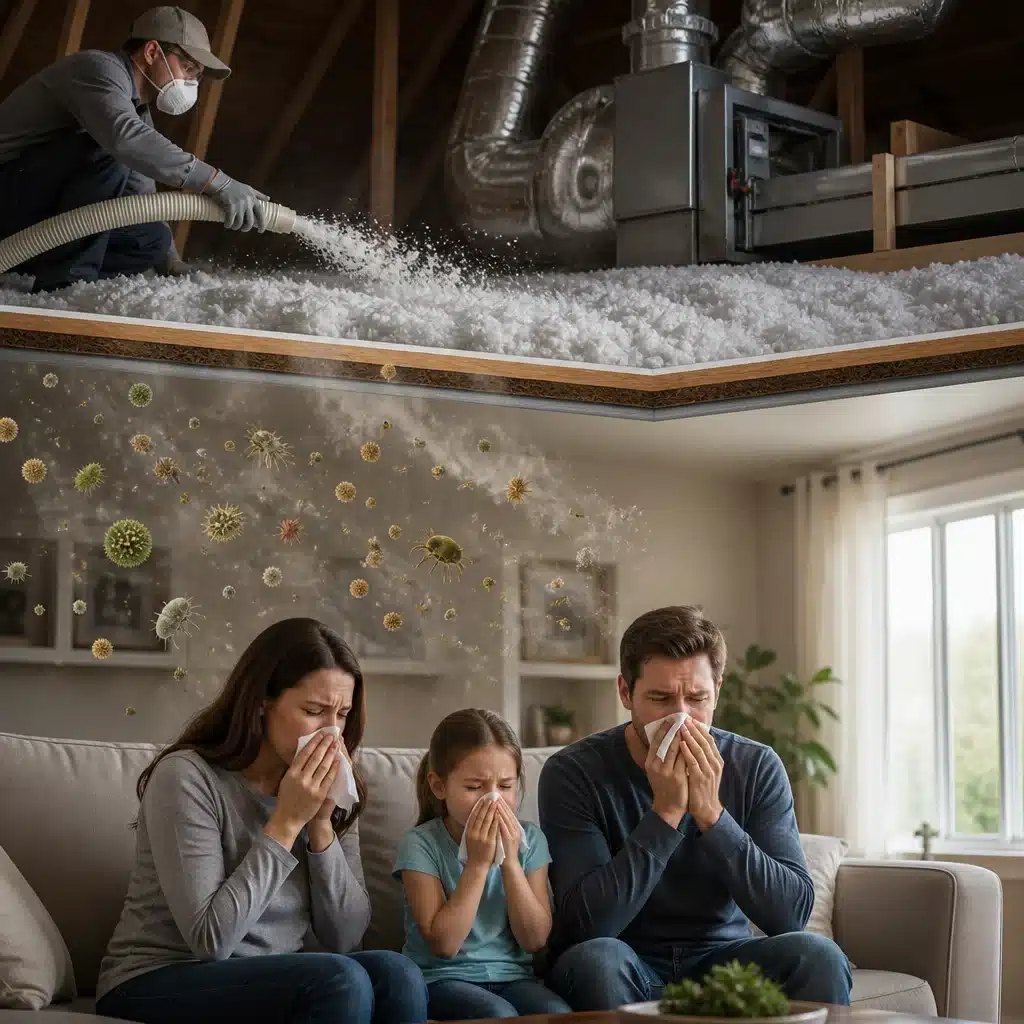
Our process starts with attic access. We install a blower system and distribute premium insulation material evenly across your attic floor, around obstructions, and into any gaps your existing insulation missed. This creates a comprehensive thermal and air barrier that dramatically reduces outdoor allergen infiltration.
The material we typically use is either fiberglass or cellulose, depending on your home’s needs and moisture profile. Both options, when properly installed, provide:
- Consistent air sealing across 100% of the attic floor
- High R-value per inch for superior thermal performance
- Dust particle trapping in the material itself, rather than allowing circulation
- Moisture control when paired with proper ventilation
- Long-term stability that doesn’t settle like older insulation
What makes the difference for allergies is that blown-in insulation creates a true air barrier. We’re not just adding insulation value; we’re sealing the pathways that allow unfiltered outside air into your home. Combined with existing ductwork and your HVAC filter, this creates a closed system where most allergens get trapped before they reach your living spaces.
Your action step: Have your attic inspected to identify where current insulation has settled, failed, or left gaps. These weak points are where most outdoor allergens are entering your home.
The Connection Between Insulation and HVAC Efficiency
Many homeowners don’t realize that insulation and HVAC work together as a system. Here’s what happens: When your insulation is poor, outdoor air constantly leaks in, forcing your HVAC system to condition air that should never have entered your home in the first place. Your furnace or air conditioner runs longer, works harder, and your indoor air never reaches the quality you’re paying for.
This creates a vicious cycle for allergy sufferers. The HVAC system becomes overwhelmed trying to heat or cool leaky spaces, so it can’t dedicate full attention to filtration. Air moves through your system faster to meet temperature demands, meaning allergens spend less time in the filter and more time circulating.
When we install proper attic insulation and HVAC upgrades, the relationship reverses. A well-sealed attic means outdoor air infiltration drops dramatically. Your HVAC system can operate at a steady, efficient pace, giving your furnace filter time to actually catch particles. Airflow becomes more consistent, and allergens are more likely to be captured.
We’ve seen homeowners’ indoor air quality metrics improve noticeably after this upgrade, especially when combined with air duct cleaning. The system simply has less work to do defending against outdoor contaminants, freeing up capacity to maintain cleaner air.
Why We Choose Premium Materials for Maximum Allergen Reduction
Not all blown-in insulation is the same. The density, composition, and installation quality make enormous differences in how well your insulation seals against allergens.
We use premium-grade blown-in materials for several reasons. First, denser insulation provides better air sealing. Loosely blown insulation has more gaps and spaces where air can flow through. Premium materials are applied at the proper density to create a nearly solid barrier while still allowing vapor transmission.
Second, the material’s ability to trap dust particles matters. High-quality fiberglass and cellulose products are designed to capture fine dust without creating an allergen reservoir. We avoid older, recycled, or bargain-grade materials that can release dust into your home over time.
Third, we prioritize moisture-resistant options for Texas climates. Some insulation materials hold moisture, which encourages mold growth. We select products with inherent moisture management or pair them with proper vapor barriers to keep your attic dry and allergen-free.
Why this matters: A $200 difference in material cost often means the difference between insulation that lasts 20 years and insulation that settles and loses effectiveness within 10. We’re thinking about long-term allergen control, not just upfront installation cost.
Our Professional Installation Process Protects Your Indoor Environment
The best material won’t help if installation is rushed or incomplete. Our technicians follow a detailed process that maximizes both allergen control and energy efficiency.
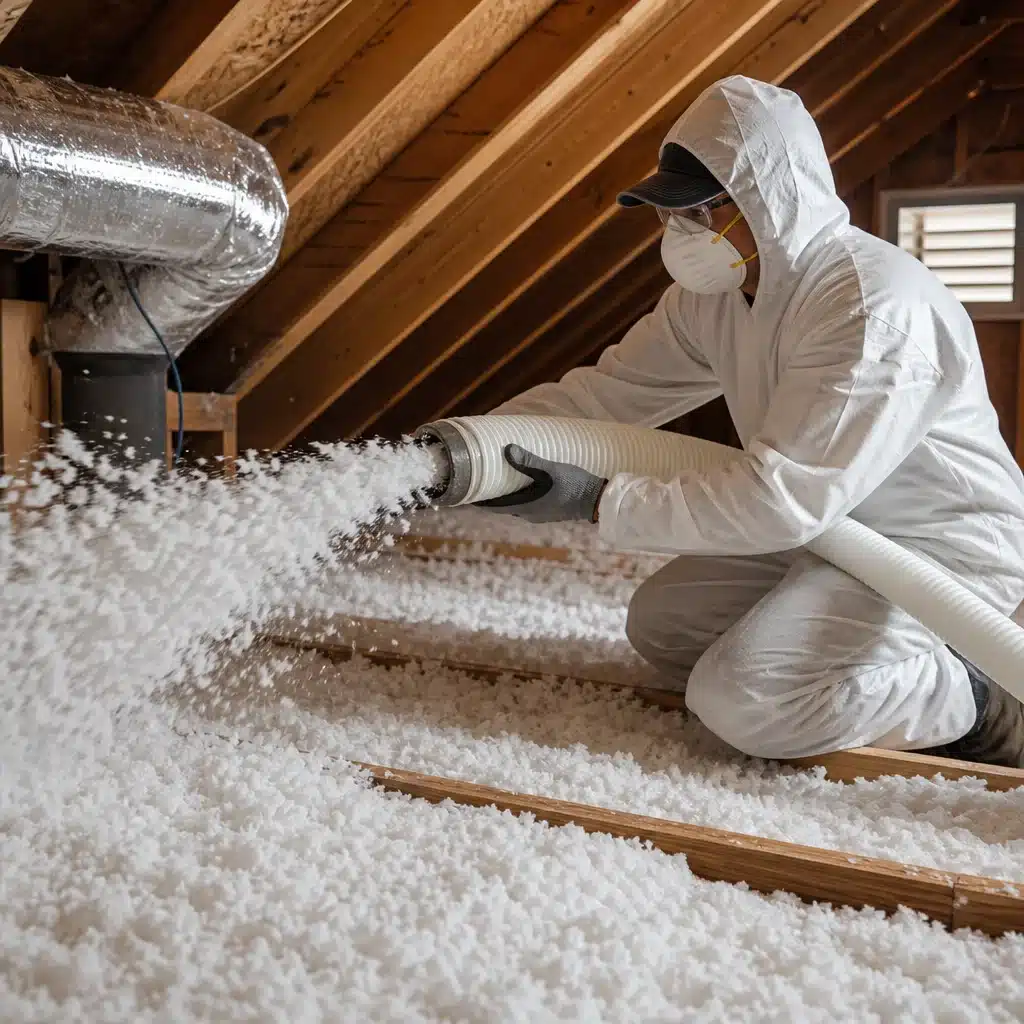
We begin with a complete attic inspection, taking photos and measurements to identify where air leaks exist. We note any existing moisture damage, mold, or pest issues that need remediation before insulation goes in. If you have mold or water damage, we address that first because blown-in insulation can trap moisture and make these problems worse.
Next, we seal air leaks around attic penetrations, ductwork, electrical wiring, and plumbing before blowing insulation. This is crucial. If we skip this step, we’re just covering up the gaps rather than sealing them. Allergens still find their way through.
We then install the blower system and apply insulation at the recommended R-value for your region and home type. We work methodically to ensure even distribution, no voids, and proper depth. Our team also installs proper ventilation around soffit vents and ridge vents so that moisture can escape and fresh air can enter in a controlled manner.
Throughout the process, we protect your HVAC returns, avoid burying recessed lighting fixtures, and ensure attic access remains usable. When we’re finished, your attic should look uniform, well-sealed, and ready to reduce allergen infiltration for decades.
Take this action: Ask any contractor about their air-sealing process before installation. If they skip sealing penetrations and just blow insulation, they’re leaving allergen pathways open.
Real Results: How Austin and San Antonio Homeowners Breathe Easier
We’ve worked with dozens of homeowners across Austin and San Antonio who’ve noticed tangible improvements after insulation installation. The results speak for themselves.
One San Antonio family with two children who had frequent asthma attacks reported fewer symptoms within two weeks of insulation completion. Their home had batts that had settled decades ago, leaving the upper walls nearly bare. After we installed blown-in insulation and sealed air leaks, outdoor pollen infiltration dropped dramatically. The kids slept through the night without coughing.
An Austin homeowner with severe dust mite allergies noticed a measurable difference in bedroom air quality. She’d been replacing her furnace filter every month because so much dust was accumulating. After our insulation and air duct cleaning, her filter now lasts 60 to 90 days. Her morning congestion largely disappeared.
These aren’t statistical flukes. Well-sealed, properly insulated homes with clean ducts simply have cleaner indoor air. The allergen load decreases, and symptoms follow.
Combining Blow-In Insulation With Our Air Duct Cleaning Services
Insulation is half the equation. Even with perfect insulation sealing out outdoor allergens, your existing ductwork may harbor dust, mold, and debris from years of operation. This recirculated contamination undermines the benefits of new insulation.
We recommend combining blow-in insulation with professional air duct cleaning for maximum allergen reduction. Here’s why: Your HVAC ducts collect dust at every turn, junction, and register. Once insulation seals out new allergens, cleaning ducts removes the old ones that have been accumulating. Together, these services create a comprehensive indoor air quality upgrade.
The sequence matters. We typically clean ducts first, then install insulation. This way, your new insulation protects a clean system, and there’s no insulation debris contaminating your recently cleaned ducts.
When we examine ducts during the cleaning process, we can also identify any air leaks in the ductwork itself. Sometimes we discover that flexible ductwork has come loose or cracked, allowing unconditioned air to flow into walls. We repair these issues before they’re sealed into your attic by new insulation.
Next step: If you haven’t had your air ducts cleaned in more than two years, or you’re noticing dust accumulation around vents, schedule a duct inspection along with your insulation estimate.
Energy Savings You’ll Notice While Improving Air Quality
Better air quality comes with a welcome bonus: lower energy bills. When your home is properly sealed and insulated, your HVAC system doesn’t waste energy conditioning air that leaks outdoors.
Most Texas homeowners see 10 to 15 percent reductions in heating and cooling costs after comprehensive insulation upgrades. In a state where summer air conditioning can run eight months a year, that’s significant savings. A $150 monthly summer electric bill might drop to $130 or less, which over a year adds up to hundreds of dollars.
We’ve also seen homeowners qualify for Texas attic insulation rebates and tax incentives that offset the upfront installation cost. Utility companies and the state often fund insulation upgrades because they reduce peak energy demand. Don’t assume the cost is out of reach without checking available rebates first.
These savings compound over time. Proper insulation lasts 20 to 30 years, meaning decades of lower energy bills plus the health benefits of cleaner indoor air. You’re investing in both immediate comfort and long-term financial benefit.
Getting Your Free Estimate and Custom Allergen Solution
Every home is different. Your specific allergen challenges depend on attic condition, local outdoor air quality, existing ductwork, HVAC age, and whether you have pets or other household triggers.
We offer free, no-obligation estimates where we inspect your attic, test your current insulation R-value, check for air leaks, and assess your ductwork. We’ll walk you through what we find and explain exactly how blow-in insulation and air duct cleaning will reduce allergens in your home.
We serve Dallas, Houston, Austin, and San Antonio with the same commitment to quality and thorough diagnosis. Our certified HVAC technicians have hands-on experience solving indoor air quality problems specific to Texas climate and construction.
Ready to breathe easier? Contact us today for your free estimate. We’ll identify the allergen sources in your home and create a custom solution that fits your budget and timeline. Same-day service is available in many cases, and we offer transparent pricing with no hidden fees.
Your home should be a place where you breathe easy, not a source of allergy misery. Let’s seal it up and clean it out.
If you’re dealing with dust, poor airflow, mold in your ducts, or a clogged dryer vent — don’t wait. These issues can affect your health and safety. Go Air Ducts Group are the local experts in air duct cleaning, mold removal, dryer vent cleaning, and attic insulation. Call now for a free inspection and same-day service in Austin and San Antonio.
Frequently Asked Questions (FAQ)
How does blow-in insulation help reduce allergens in my home?
We install blow-in insulation to seal air gaps and cracks in your attic that allow outdoor allergens, dust, and pollutants to infiltrate your living spaces. By creating a tighter thermal envelope, our insulation works alongside your HVAC system to filter and recirculate cleaner air throughout your home. Many of our Austin and San Antonio customers report noticeable improvement in allergy symptoms within weeks of our installation.
Can we combine insulation upgrades with air duct cleaning for better results?
Absolutely. We recommend pairing our blow-in insulation with professional air duct cleaning because they work together to maximize your indoor air quality. While our insulation prevents outdoor allergens from entering through gaps, our duct cleaning removes accumulated dust, mold, and debris already present in your system. This one-two approach gives you the most comprehensive protection against allergens.
What should I expect during the installation process?
We arrive with specialized equipment to carefully blow premium insulation material into your attic while protecting your belongings and HVAC equipment. Our certified technicians seal all gaps and ensure even coverage, and we clean up completely before we leave. The entire process typically takes one day, and you’ll notice improved comfort and air quality immediately.