
🕑 6 min read
What are the levels of creosote buildup and when do I need a chimney sweep?
Creosote builds up in three stages: light soot (Level 1), thicker flaky deposits (Level 2), and hardened glazed tar (Level 3), which carries the highest fire risk. Most homeowners should schedule a professional chimney sweep annually, or sooner if they notice odors, reduced draft, or visible flakes.
Table of Contents
- What Is Creosote Buildup?
- The Three Levels of Creosote Buildup
- What Causes Creosote to Build Up Faster?
- How Often Should You Sweep a Chimney?
- Why Professional Chimney Sweeping Matters
- Ways to Reduce Creosote Formation
- Schedule Chimney Cleaning Before Creosote Becomes a Problem
- Frequently Asked Questions (FAQ)
A warm fireplace can make a home more comfortable during colder months, but every wood-burning fire leaves behind residue inside the chimney. Over time, that residue can become creosote buildup, a flammable material that can restrict airflow and increase the risk of chimney problems.
Many homeowners wait until they notice smoke issues, odors, or visible buildup before scheduling a chimney sweep. However, creosote can accumulate inside the chimney long before there are obvious warning signs.
Understanding the different levels of creosote buildup can help you know when routine maintenance is enough and when professional chimney sweeping is necessary.
What Is Creosote Buildup?
Creosote is a dark, tar-like substance created when wood smoke cools and condenses inside the chimney flue. It forms from unburned particles released during combustion, especially when fires burn at lower temperatures or when the wood contains excess moisture.
A small amount of creosote buildup is normal for wood-burning fireplaces and stoves. The concern begins when deposits become thick, hardened, or heavily concentrated in areas of the chimney.
Because creosote is combustible, allowing it to continue building up can create unsafe conditions. Regular chimney inspections and cleaning help identify buildup before it becomes a larger issue.
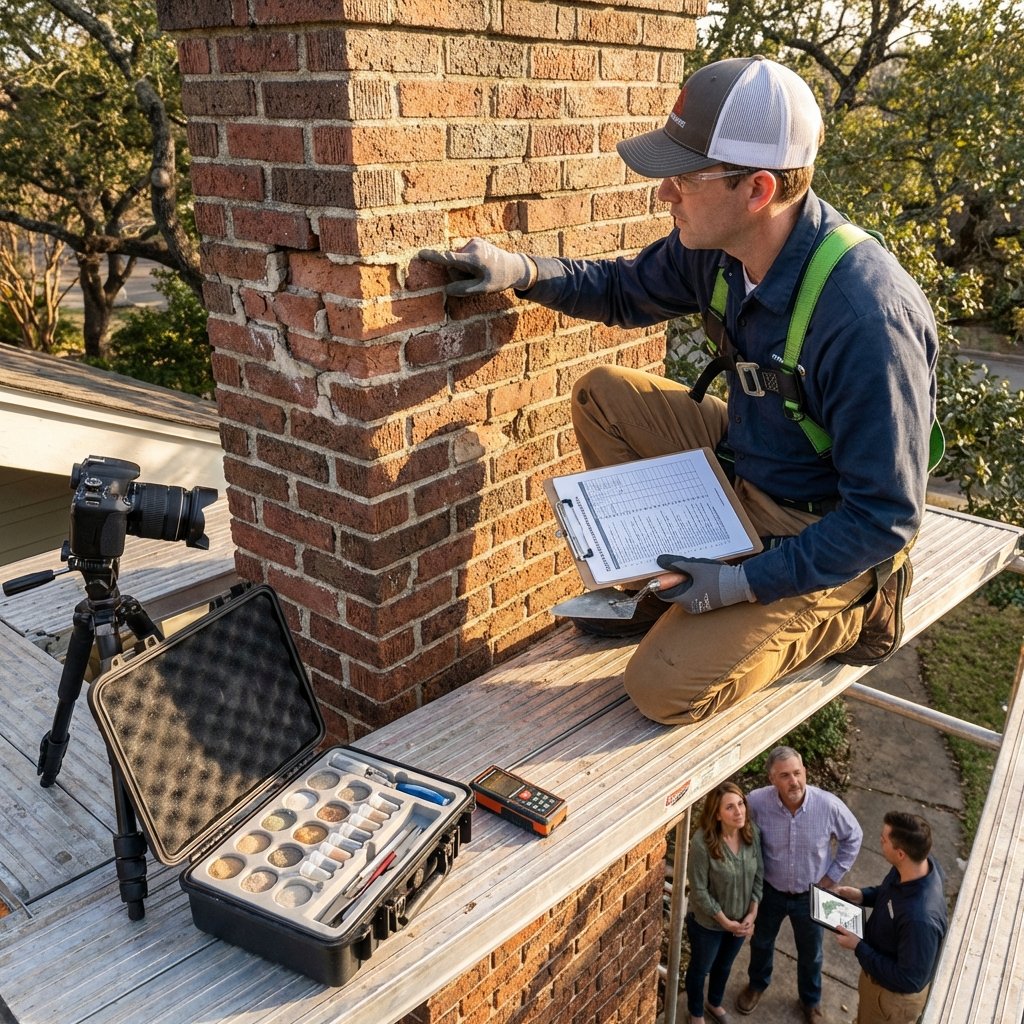
The Three Levels of Creosote Buildup
Level 1 Creosote: Early Buildup That Requires Monitoring
Level 1 creosote is the earliest stage of buildup. It usually appears as a thin layer of soot or a light coating inside the chimney.
At this stage, the buildup is generally easier to remove during a professional chimney sweep. However, it should not be ignored because creosote does not disappear on its own. Each fire can add more deposits to the chimney walls.
Homeowners who use their fireplace regularly should pay attention to how often they burn fires, what type of wood they use, and whether their chimney has been inspected recently. Burning dry, seasoned firewood and maintaining proper airflow can help reduce how quickly creosote forms.
Level 2 Creosote: When Chimney Sweeping Becomes Necessary
Level 2 creosote is a more advanced stage where buildup becomes thicker and may appear as flakes, chunks, or a heavier coating inside the chimney.
At this point, simple brushing may not be enough to fully remove the deposits. Professional chimney cleaning is recommended because the buildup may be located deeper inside the flue or in areas that are difficult to reach. Signs that you may have increased creosote buildup include:
- A strong smoky or tar-like odor near the fireplace
- Dark deposits around the firebox or chimney opening
- Reduced draft or slower smoke movement
- Creosote flakes falling into the fireplace
Ignoring this stage allows the buildup to continue hardening, making future removal more difficult.
Level 3 Creosote: A Serious Chimney Safety Concern
Level 3 creosote is the most severe form of buildup. It becomes thick, hardened, and often looks similar to a glazed layer of black tar.
This type of creosote is much harder to remove and may require specialized cleaning methods. Because it contains a high concentration of combustible material, it presents a greater concern for chimney fires.
A chimney fire can damage the flue lining, chimney structure, and nearby parts of the home. In some cases, damage may not be immediately visible, which is why professional chimney inspection after a chimney fire is important.
What to do next: If you notice a strong tar-like odor, flakes falling into the firebox, or reduced draft, don’t wait for the next scheduled cleaning, book an inspection now.
What Causes Creosote to Build Up Faster?
Some fireplaces develop creosote faster than others because of how they are used and maintained.
Burning wet or unseasoned wood is one of the most common causes. Wet wood creates more smoke and lower combustion temperatures, which increases condensation inside the chimney. Poor airflow can also contribute. When a fire does not burn efficiently, more unburned particles travel through the chimney and collect on the interior surfaces. Other factors that can increase buildup include:
- Frequent fireplace use without regular cleaning
- Small or slow-burning fires
- Restricted chimney airflow
- Improperly sized or installed chimney components
How Often Should You Sweep a Chimney?
There is no single schedule that applies to every home because usage varies. A fireplace used every day during winter will typically require more attention than one used occasionally.
The National Fire Protection Association recommends regular chimney inspections to check for deposits, damage, and safe operation. Many homeowners schedule chimney inspections and cleaning annually, especially before the start of the burning season.
If you use your fireplace frequently, burn wood that produces heavy smoke, or notice signs of buildup, you may need service more often.
Why Professional Chimney Sweeping Matters
A chimney sweep does more than remove visible soot. Professional cleaning helps remove creosote from areas that are difficult for homeowners to access safely.
During a chimney service visit, the system can also be checked for other problems, including damaged components, blockages, or ventilation issues. Trying to clean heavy creosote yourself can be difficult because hardened deposits may require specialized tools and experience. Professional service helps ensure the chimney is properly evaluated and cleaned.
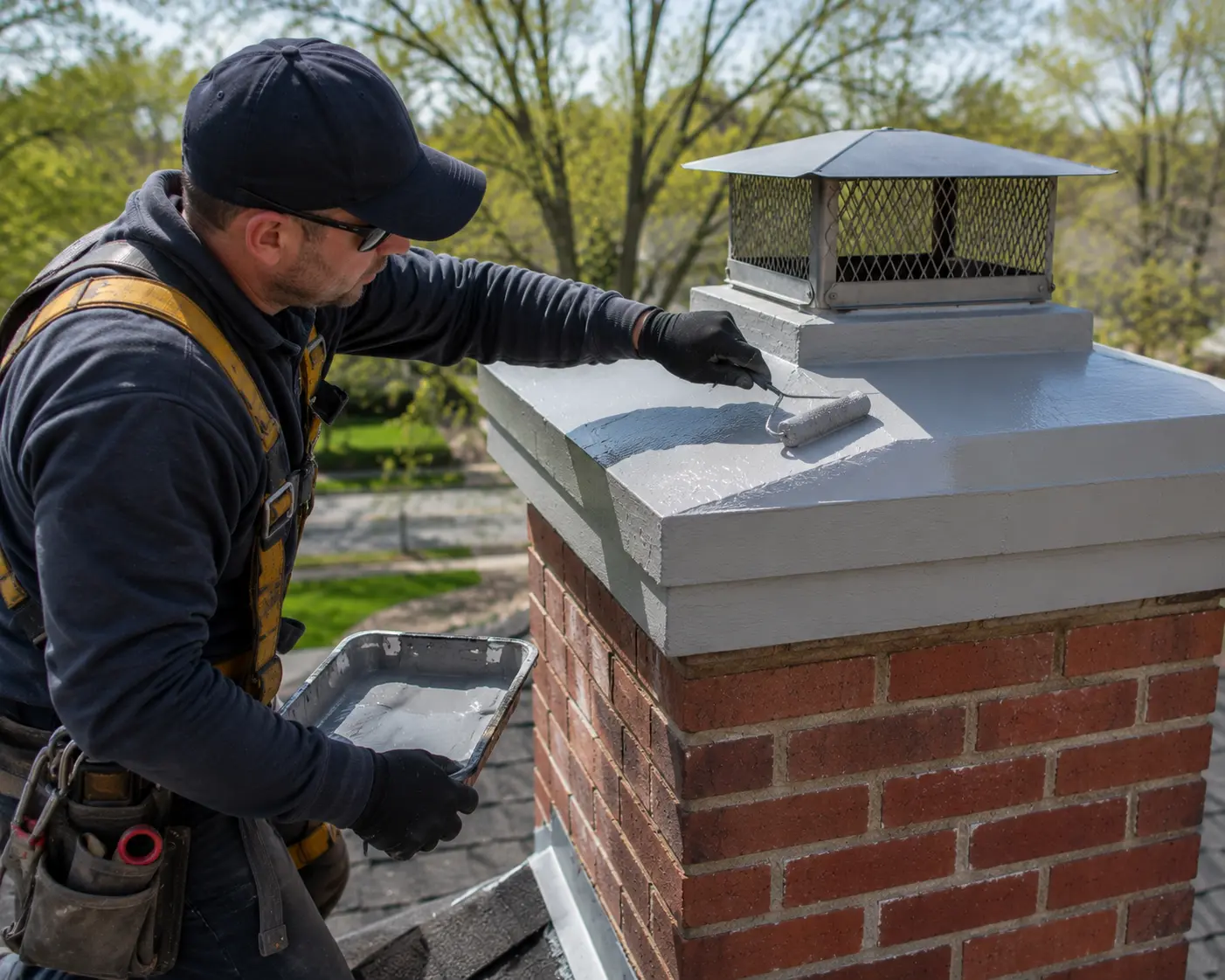
At Go Air Ducts, we provide professional chimney sweep services designed to remove buildup, improve airflow, and help homeowners maintain safer fireplace operation. Our chimney cleaning services help address creosote accumulation and other common chimney maintenance needs.
Ways to Reduce Creosote Formation
While creosote cannot be completely eliminated from a wood-burning fireplace, homeowners can reduce buildup by following proper burning practices.
Use properly seasoned firewood, avoid burning damp materials, and allow fires to burn efficiently with adequate airflow. Keeping the chimney inspected regularly also helps identify problems before buildup becomes severe.
A chimney cap can also help prevent outside debris, animals, and moisture from entering the chimney system.
Schedule Chimney Cleaning Before Creosote Becomes a Problem
Creosote buildup is not something homeowners should wait to address after a problem appears. From early soot deposits to hardened glazed layers, each stage can affect chimney performance and safety.
If your fireplace is used regularly, a professional chimney inspection and cleaning can help identify buildup and keep your system working properly.
At Go Air Ducts, we help homeowners maintain cleaner, safer chimney systems with professional chimney sweeping and inspection services. Contact us today to schedule your chimney cleaning and make sure your fireplace is ready for the season.
If you’re dealing with dust, poor airflow, mold in your ducts, or a clogged dryer vent, don’t wait. These issues can affect your health and safety. Go Air Ducts Group is the local expert in air duct cleaning, mold removal, dryer vent cleaning, and attic insulation. Call now for a free inspection and same-day service in Austin and San Antonio.