
🕑 11 min read
Table of Contents
- Why Insulation Performance Matters for Your Home's Comfort and Energy Bills
- What Blown-In Insulation Actually Is and How It Works
- The Typical Lifespan of Blown-In Insulation in Texas Climates
- Factors That Shorten Your Insulation's Life in Austin and San Antonio
- Signs Your Blown-In Insulation Needs Replacement or Upgrades
- How We Inspect and Assess Your Insulation at Go Air Ducts
- Energy Efficiency Improvements When You Upgrade Your Insulation
- Protecting Your Investment with Proper Attic Ventilation and Moisture Control
- Our Professional Installation Process for Long-Lasting Results
- When to Schedule Your Free Insulation Evaluation Today
- Frequently Asked Questions (FAQ)
Why Insulation Performance Matters for Your Home’s Comfort and Energy Bills
Your attic insulation is one of the hardest-working components in your home, yet most homeowners never think about it until their energy bills spike or they notice uneven temperatures from room to room. We see this pattern constantly across Austin and San Antonio: homes that lose 20 to 30 percent of their heating and cooling energy through poorly maintained attics.
The reality is straightforward. Quality insulation acts as a thermal barrier between your conditioned living spaces and the extreme outdoor temperatures Texas throws at us year-round. In summer, it blocks radiant heat from turning your attic into a 150-degree heat chamber. In winter, it prevents warm air from escaping through the roof. When insulation degrades, your HVAC system works overtime, pushing utility costs higher and reducing equipment lifespan.
Beyond energy costs, proper insulation also prevents moisture buildup and mold growth in your attic, which can spread into living spaces and trigger allergies and respiratory issues. We’ve inspected hundreds of attics where degraded insulation allowed humidity and condensation to accumulate unchecked. Replacing worn insulation isn’t just about comfort and savings; it’s about protecting your home’s structural integrity and your family’s health.
Action: Schedule a free attic inspection with us to understand your current insulation R-value and identify any gaps or compression.
What Blown-In Insulation Actually Is and How It Works
Blown-in insulation consists of loose-fill material, typically cellulose, fiberglass, or mineral wool, that’s pneumatically sprayed or blown into attic cavities using specialized equipment. Unlike batts or rolls, blown-in insulation fills irregular spaces, gaps around joists, and hard-to-reach corners without creating thermal bridges.
Cellulose blown-in insulation is made from recycled paper fibers and achieves around R-3.6 per inch. Fiberglass blown-in delivers roughly R-2.2 to R-3.8 per inch depending on density. The material settles evenly across your attic floor, creating a uniform thermal blanket that conforms to whatever surface it covers.
The pneumatic application process is key to longevity. We use professional-grade blowers that meter material density precisely so your insulation achieves the target R-value without over-compacting, which reduces effectiveness. Properly installed blown-in insulation maintains its performance year after year because the loose fill continues to trap dead air, the actual insulating agent.
The advantage over older batt insulation is coverage. Batts leave gaps at ceiling edges, around penetrations, and at odd angles. Blown-in fills everything, eliminating air leakage paths that account for significant energy loss in many Texas homes.
The Typical Lifespan of Blown-In Insulation in Texas Climates
Properly installed blown-in insulation typically lasts 15 to 20 years in Texas climates before performance noticeably declines. Some manufacturers cite 20 to 30 years, but that assumes ideal conditions with minimal moisture, pest activity, and airflow disruption.
Texas presents distinct challenges. Our intense summer heat, rapid temperature swings between seasons, and high humidity (especially in San Antonio) accelerate material degradation compared to drier climates. Additionally, most Texas homes built before 2010 either lack adequate insulation entirely or have settled and compacted batts that perform well below specification.
We recommend treating the 15-year mark as a planning checkpoint. By this time, many homeowners notice rising energy bills or temperature inconsistencies signaling that insulation is beginning to lose its R-value. A proactive inspection at year 10 to 12 gives you time to plan a budget and potentially take advantage of rebates or off-season pricing.
The good news: when we install blown-in insulation using industry best practices, your investment lasts longer and performs better than the previous generation of materials homeowners had in place.
Actionable insight: If your home was built between 1995 and 2010 and you’ve never upgraded insulation, scheduling an assessment now could reveal easy wins for reducing heating and cooling costs by 10 to 15 percent.
Factors That Shorten Your Insulation’s Life in Austin and San Antonio
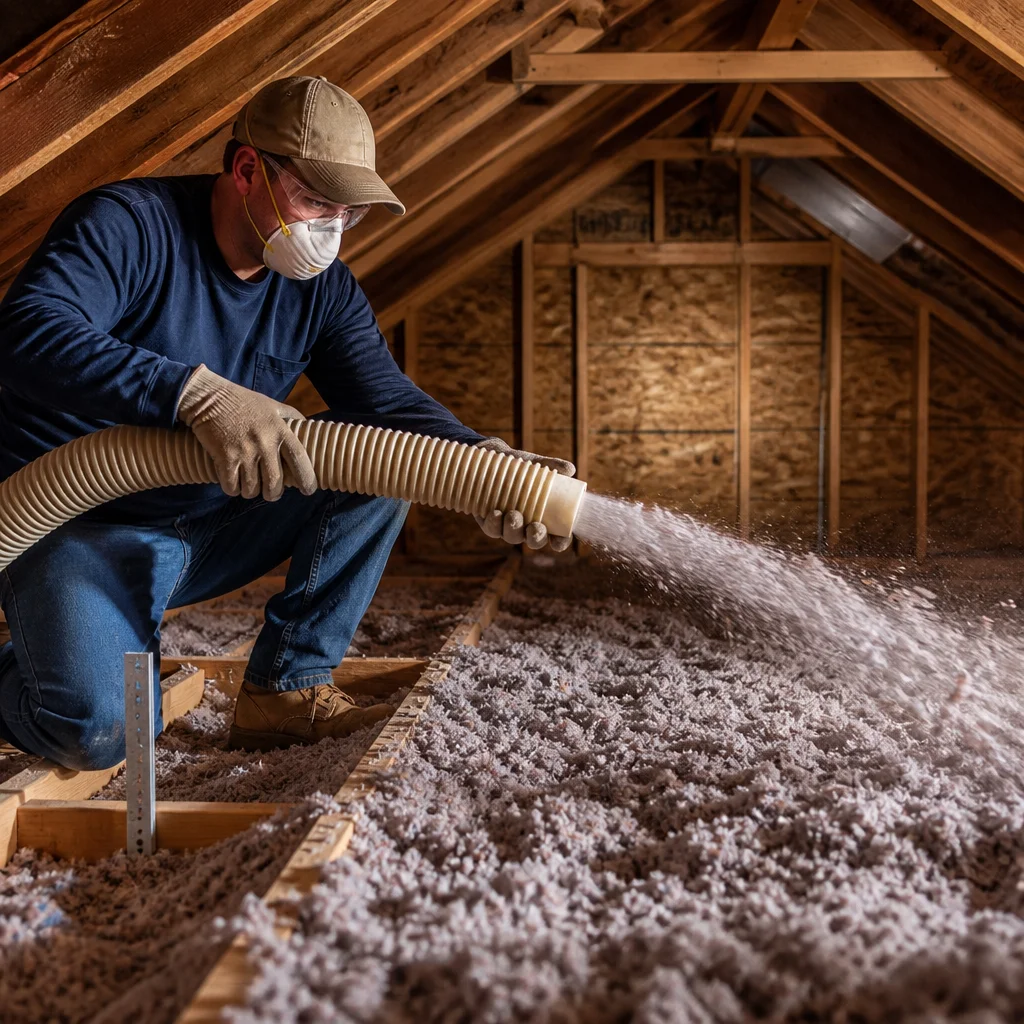
Several factors unique to Central and South Texas actively work against insulation longevity. Understanding these helps you protect your investment.
Moisture and humidity: San Antonio’s higher humidity and occasional summer thunderstorms create attic condensation, especially if ventilation is inadequate. Cellulose insulation absorbs moisture more readily than fiberglass, which can trigger settling, mold growth, and performance loss.
Pest intrusion: Rodents and insects nest in loose insulation, compacting it, leaving droppings, and creating health hazards. We’ve seen mice colonies reduce effective R-value by half in sections of attic.
Poor or inadequate ventilation: Many older Austin and San Antonio homes lack proper intake and exhaust ventilation in attics. Hot, stagnant air concentrates beneath the roof deck, accelerating material breakdown and creating moisture traps.
Previous water damage: Roof leaks, even small ones that homeowners patch, leave residual moisture in insulation layers. This damage spreads over time and degrades the material from within.
Over-compaction from maintenance traffic: HVAC technicians, roofers, or homeowners walking through attics compress insulation, reducing air pockets and R-value in those sections.
UV and sunlight exposure: If attic access doors or vents are poorly sealed or missing baffles, direct sunlight enters the attic, prematurely degrading cellulose and fiberglass.
Addressing these root causes during an inspection prevents premature replacement and extends your insulation lifespan significantly.
Signs Your Blown-In Insulation Needs Replacement or Upgrades
We recommend evaluating your insulation if you notice any of these indicators.
Visible settling or gaps: Open your attic access and look across the insulation surface. Large bare patches, visible joists, or uneven depth suggest settling and reduced coverage.
Rising heating and cooling bills: If your utility costs climb 15 to 25 percent year-over-year without corresponding temperature extremes, insulation degradation is often the culprit.
Inconsistent temperatures: Some rooms stay warm while others feel cold, even with thermostat adjustments. This typically signals uneven insulation or air leakage through the attic.
Visible mold or dark staining: Mold growth on rafters, joists, or insulation itself indicates excessive moisture. This requires immediate attention because mold spores migrate into living spaces.
Musty odors from the attic: Smell rather than sight often signals moisture problems or pest activity within the insulation.
Recent roof or attic water damage: Even professionally repaired leaks leave compromised insulation that should be replaced in affected areas.
Pest droppings or nesting material visible: Signs of rodent or insect activity mean the insulation has been compromised and shouldn’t be trusted.
If you spot any combination of these signs, a professional inspection clarifies whether you need spot repairs or complete replacement.
How We Inspect and Assess Your Insulation at Go Air Ducts
Our insulation assessment follows a systematic process that gives you clear, actionable data about your attic’s current state.
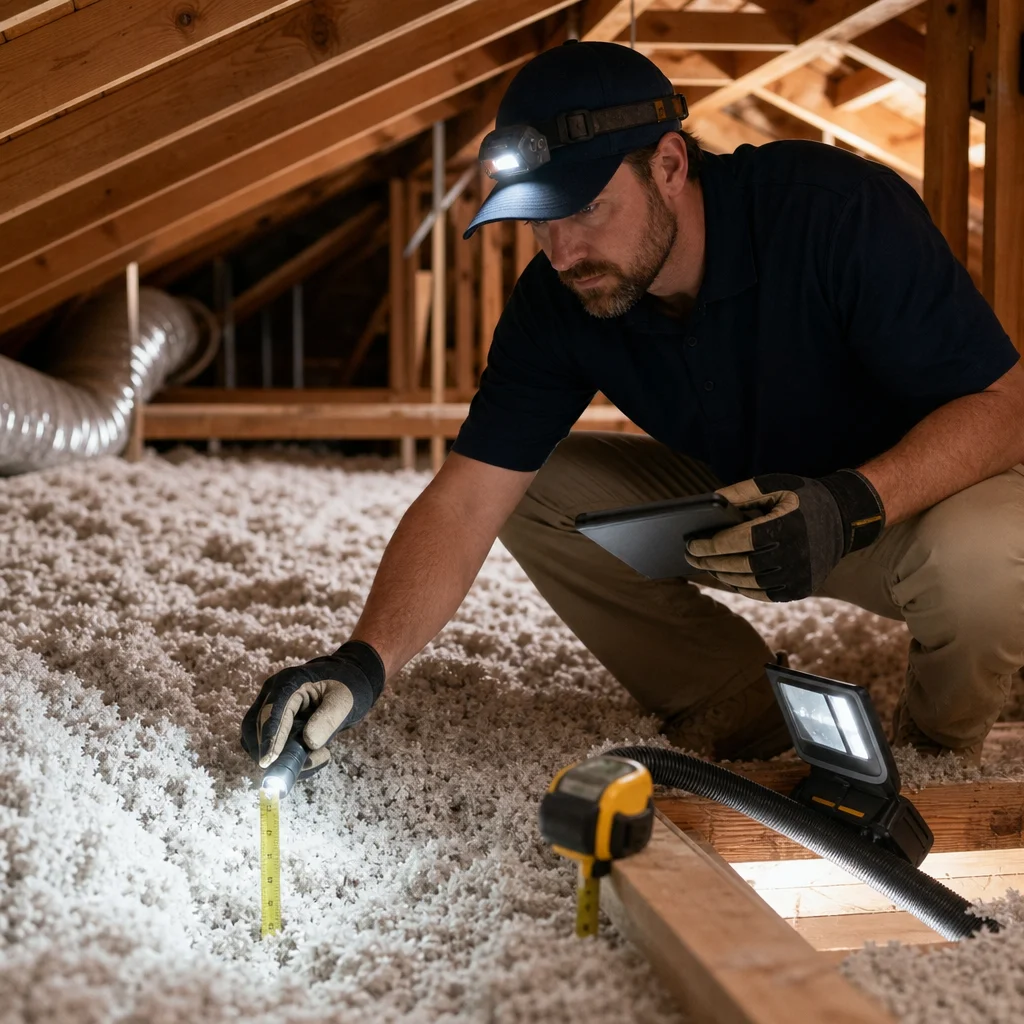
We begin with a visual walk-through of accessible attic areas, noting insulation type, depth, condition, and coverage gaps. We check for moisture stains, mold growth, pest activity, and ventilation adequacy. We measure existing R-value in several locations using a calibrated meter or by depth measurement and density observation.
Next, we examine attic ventilation pathways, soffit intakes, ridge vents, and exhaust fans to confirm adequate airflow. Poor ventilation often masquerades as an insulation problem but requires a different solution.
We also inspect your HVAC supply and return ducts for air leakage and visible damage, since ductwork condition directly impacts whether your conditioned air reaches living spaces or escapes through attic leaks.
Using thermal imaging, we identify cold spots and heat loss patterns that indicate air leakage or insulation voids. This technology visualizes problems that simple visual inspection misses.
Finally, we provide a written report with photographs, current R-value data, recommendations for upgrades or replacements, and estimated costs. Our estimates are free and carry no obligation.
Next step: Call us at your convenience for a free inspection. We’ll identify exactly where you’re losing energy and what upgrades make sense for your home and budget.
Energy Efficiency Improvements When You Upgrade Your Insulation
Upgrading to new, properly installed blown-in insulation delivers measurable energy savings. Most homeowners see 10 to 20 percent reductions in heating and cooling costs, depending on how much insulation was undersized or degraded previously.
The return on investment timeline typically ranges from 5 to 8 years. For example, a 2,000-square-foot attic upgrade costs between $2,500 and $4,500. If it saves $500 annually on energy costs, you recoup that investment in 5 to 9 years, then enjoy savings indefinitely.
Modern cellulose insulation often includes fire retardants and pest deterrents, adding protection beyond thermal resistance. Fiberglass doesn’t absorb moisture as readily, making it ideal for humid climates like San Antonio.
Pairing attic blow-in insulation services with air sealing (closing gaps around ducts, electrical penetrations, and structural openings) amplifies efficiency gains. Many homeowners achieve 15 to 25 percent savings when they address both insulation and air leakage together.
We also help homeowners navigate attic insulation rebates available through utility companies and local programs in Austin and San Antonio. Texas homeowners have claimed thousands in rebates for qualifying upgrades.
Protecting Your Investment with Proper Attic Ventilation and Moisture Control
Insulation doesn’t work in isolation. Attic ventilation is equally critical for long-term performance and durability.
Proper ventilation creates continuous airflow that removes moisture, heat, and humidity. Intake vents (typically in soffits) allow fresh air to enter, while exhaust vents (ridge vents, gable vents, or power fans) allow warm, moist air to exit. This circulation prevents the stagnant, humid conditions that degrade insulation and trigger mold growth.
We check that intake vents aren’t blocked by insulation, debris, or dust. We verify that attic insulation includes proper baffles that maintain a one-inch air gap between the insulation and the roof deck, allowing moisture-laden air to escape toward the ridge vent.
If your attic lacks adequate ventilation, we install soffit vents, ridge vents, or gable fans as needed. For homes in particularly humid areas, we sometimes recommend powered attic fans that actively exhaust moisture.
Moisture barriers deserve mention too. In high-humidity regions, a moisture barrier between the insulation and living spaces prevents warm, moist interior air from condensing as it rises into the attic. This is especially relevant in San Antonio and coastal areas.
Combining quality insulation, proper ventilation, and moisture control creates an attic environment where your insulation lasts 20+ years and continues performing as designed.
Our Professional Installation Process for Long-Lasting Results
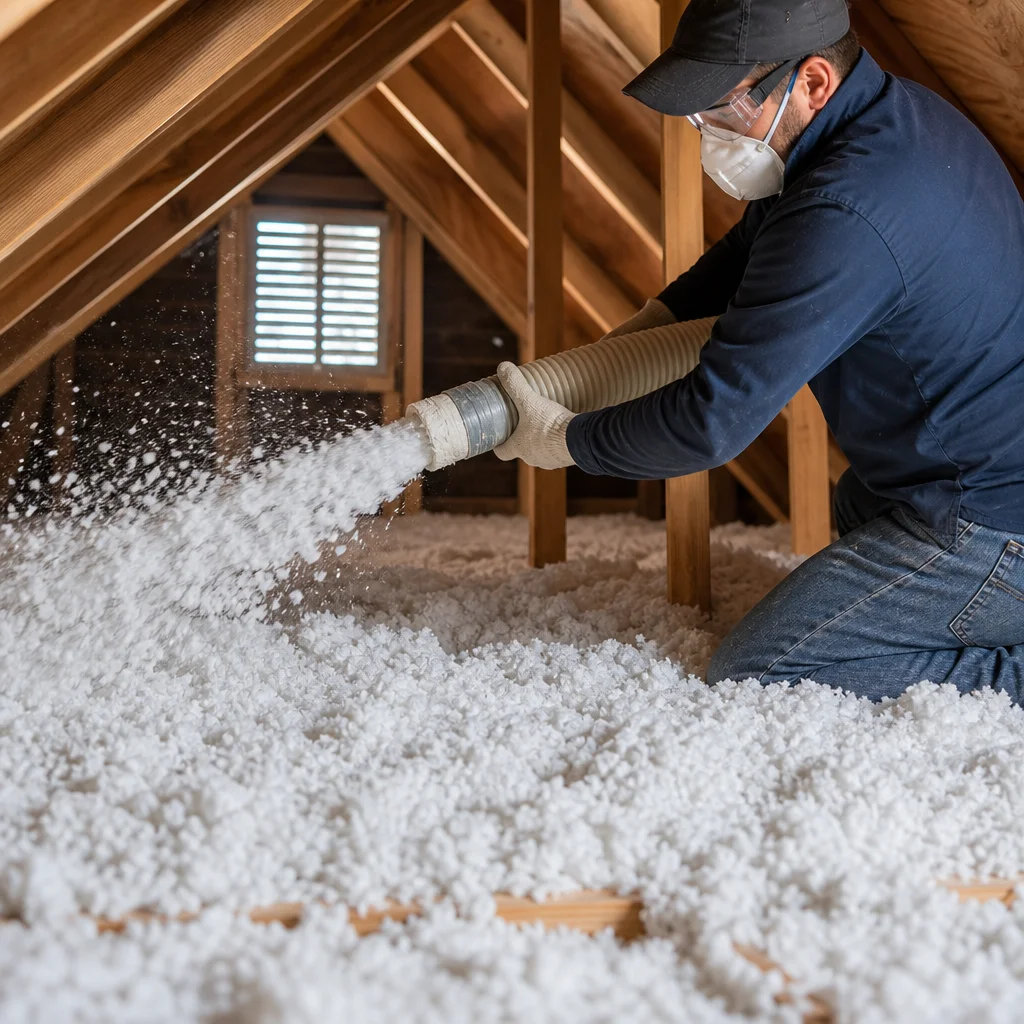
We don’t simply blow insulation into an attic and leave. Our installation process prioritizes durability and performance.
First, we air seal your attic, closing gaps around ductwork, electrical penetrations, roof framing, and any other air leakage points. This step prevents conditioned air from escaping and exterior air from infiltrating, which would undermine your insulation investment.
Next, we install proper ventilation baffles along the roof edge if they’re missing. These ensure that insulation never blocks the airflow path to ridge vents.
We then remove old, degraded insulation if necessary, dispose of it responsibly, and inspect underlying framing for rot or damage. If we find moisture-damaged wood, we address that before installing new insulation.
Using professional-grade pneumatic blowers, we apply new blown-in insulation at the precise density needed to achieve your target R-value for your climate zone. We meter the material carefully so it’s neither under-packed (losing efficiency) nor over-packed (reducing airflow and effectiveness).
Finally, we walk through the completed attic with you, pointing out ventilation improvements, explaining maintenance expectations, and providing documentation of the R-value achieved.
Our professional blow-in insulation installation process takes longer than some competitors, but it ensures your insulation performs optimally for 20+ years.
When to Schedule Your Free Insulation Evaluation Today
If you’re concerned about your home’s insulation lifespan, energy efficiency, or attic condition, we’re ready to help. We serve Austin, San Antonio, Dallas, and Houston with certified technicians, same-day or next-day availability, and straightforward pricing.
Schedule your free inspection online at goairducts.com or call us to discuss your specific concerns. During your inspection, we’ll evaluate your current insulation, check for air leaks, assess ventilation adequacy, and identify any moisture or pest issues. You’ll leave with a clear, written report and honest recommendations tailored to your home and budget.
If you combine insulation upgrades with HVAC and insulation upgrades to your ductwork or heating and cooling system, we can coordinate the whole project for maximum efficiency gains.
Don’t wait for an energy crisis or emergency to address your attic. A proactive inspection now prevents costly problems later and positions your home for long-term comfort and savings.
If you’re dealing with dust, poor airflow, mold in your ducts, or a clogged dryer vent — don’t wait. These issues can affect your health and safety. Go Air Ducts Group are the local experts in air duct cleaning, mold removal, dryer vent cleaning, and attic insulation. Call now for a free inspection and same-day service in Austin and San Antonio.
Frequently Asked Questions (FAQ)
How long does blown-in insulation typically last in Texas homes?
We generally see blown-in insulation perform well for 15 to 20 years in our Texas climate, though this depends heavily on your attic conditions and moisture control. Cellulose insulation, which we commonly install, can settle over time and lose some effectiveness, while fiberglass tends to maintain its form longer. We recommend having us inspect your attic every 5 to 7 years so we can catch any settling, moisture problems, or pest damage before it affects your home’s energy efficiency.
What signs tell us your insulation needs to be replaced or upgraded?
We look for several red flags during our inspections: visible mold or water staining, pest droppings or nesting materials, significant settling that exposes ceiling joists, and unexplained spikes in your heating or cooling bills. If we spot moisture issues, inadequate ventilation, or compression damage, we’ll let you know exactly what’s happening and whether we can refresh your insulation or need to remove and reinstall it completely. We’ll never recommend replacement unless we can show you the actual problem in your attic.
How does proper attic ventilation help protect our insulation investment?
We know that without good airflow, moisture gets trapped in your attic, which breaks down insulation and creates conditions for mold growth. We evaluate your ventilation setup during every assessment and often recommend improvements like soffit vents, ridge vents, or exhaust routing to keep moisture moving out of your space. When we install new insulation, we make sure the ventilation is working correctly so your new insulation stays dry and performs at its rated R-value for as long as possible.