
🕑 6 min read
How often should you clean your air ducts?
Under normal living conditions, air ducts should be cleaned every 3 to 5 years. However, you should schedule a cleaning much sooner, or immediately, if your household includes shedding pets, family members with severe respiratory allergies, or if you have recently completed home renovations, experienced water damage, or noticed visible mold growth or pest infestation inside your ductwork.
Table of Contents
- Key Takeaways
- Factors That Determine Cleaning Frequency
- Warning Signs Your Air Ducts Need Cleaning Now
- The Role of System Inspection and Repair
- DIY Preventive Maintenance vs. Professional Service
- Frequently Asked Questions
- Keep Your Indoor Air Fresh and Clean





Maintaining healthy indoor air quality and an efficient HVAC system often leads homeowners to ask how frequently their air ductwork requires professional attention. According to the National Air Duct Cleaners Association (NADCA), a standard single-family home should generally have its air ducts cleaned every 3 to 5 years. However, air duct cleaning is not necessarily a rigid calendar requirement for every household.
The Environmental Protection Agency (EPA) emphasizes that air duct cleaning should be performed primarily on an as-needed basis when specific environmental triggers or contamination factors arise. Understanding your home’s unique conditions helps determine whether routine maintenance or immediate intervention is required.
Key Takeaways
- Standard Interval: The baseline recommendation for routine air duct maintenance is every 3 to 5 years under typical operating conditions.
- Immediate Triggers: Visible mold growth, rodent or insect infestations, or heavy dust blowouts require immediate professional cleaning regardless of the last service date.
- Lifestyle Factors: Homes with multiple pets, smokers, or allergy sufferers benefit from more frequent cleanings, typically every 2 to 3 years.
- Preventive Care: Regularly replacing HVAC air filters every 1 to 3 months is the most effective way to prevent dirty buildup inside duct lines between service cycles.
Factors That Determine Cleaning Frequency
While the 3-to-5-year range serves as a practical benchmark, several lifestyle and environmental variables directly influence how rapidly dust, pet hair, and airborne debris accumulate inside your HVAC system.
Pets in the Home
Dogs and cats shed fur and dander continuously. The return vents pull these organic particles directly into the HVAC system. Over time, hair mats against the walls of flexible and metal ductwork, trapping additional household dust and creating a breeding ground for bacteria and odors. Homes with multiple shedding pets often require cleaning every 2 to 3 years.
Recent Home Renovations or Construction
Remodeling projects, such as drywall sanding, tile cutting, or hardwood floor refinishing, generate large volumes of microscopic mineral dust. If the HVAC system runs during construction or before thorough post-project cleanup, fine dust gets pulled into return grilles and coats the entire interior surface of the ductwork. A thorough cleaning should always follow major home renovations.
Occupants with Respiratory Conditions or Allergies
For individuals suffering from asthma, seasonal allergies, or autoimmune sensitivities, airborne particulates like dust mites, pollen, and fungal spores can trigger chronic discomfort. Cleaning the air ducts every 2 years helps reduce the overall particulate load circulating through living spaces.
Smoking or Vaping
Tobacco smoke leaves a sticky resin lining the interior of air ducts. This residue traps passing dust particles, creating persistent stale odors that recirculate every time the heating or cooling unit turns on.
Warning Signs Your Air Ducts Need Cleaning Now
Rather than relying strictly on the calendar, inspect your HVAC system for clear physical signs of heavy contamination.
| Warning Symptom | Underlying Cause | Recommended Action |
|---|---|---|
| Visible Mold Inside Ducts | Moisture buildup or condensation inside duct lines | Inspect for leaks and schedule mold remediation |
| Pest Activity / Droppings | Rodents or insects nesting in ductwork | Exterminate pests and fully sanitize duct lines |
| Dust Clouds From Registers | Heavy debris buildup or disconnected return lines | Schedule professional air ducts cleaning |
| Weak Airflow Across Rooms | Restricted duct paths or dirty cooling coils | Perform air ducts inspection and system check |
| Musty Odor When HVAC Runs | Bacterial or fungal growth on organic debris | Sanitize system and inspect for standing moisture |
The Role of System Inspection and Repair
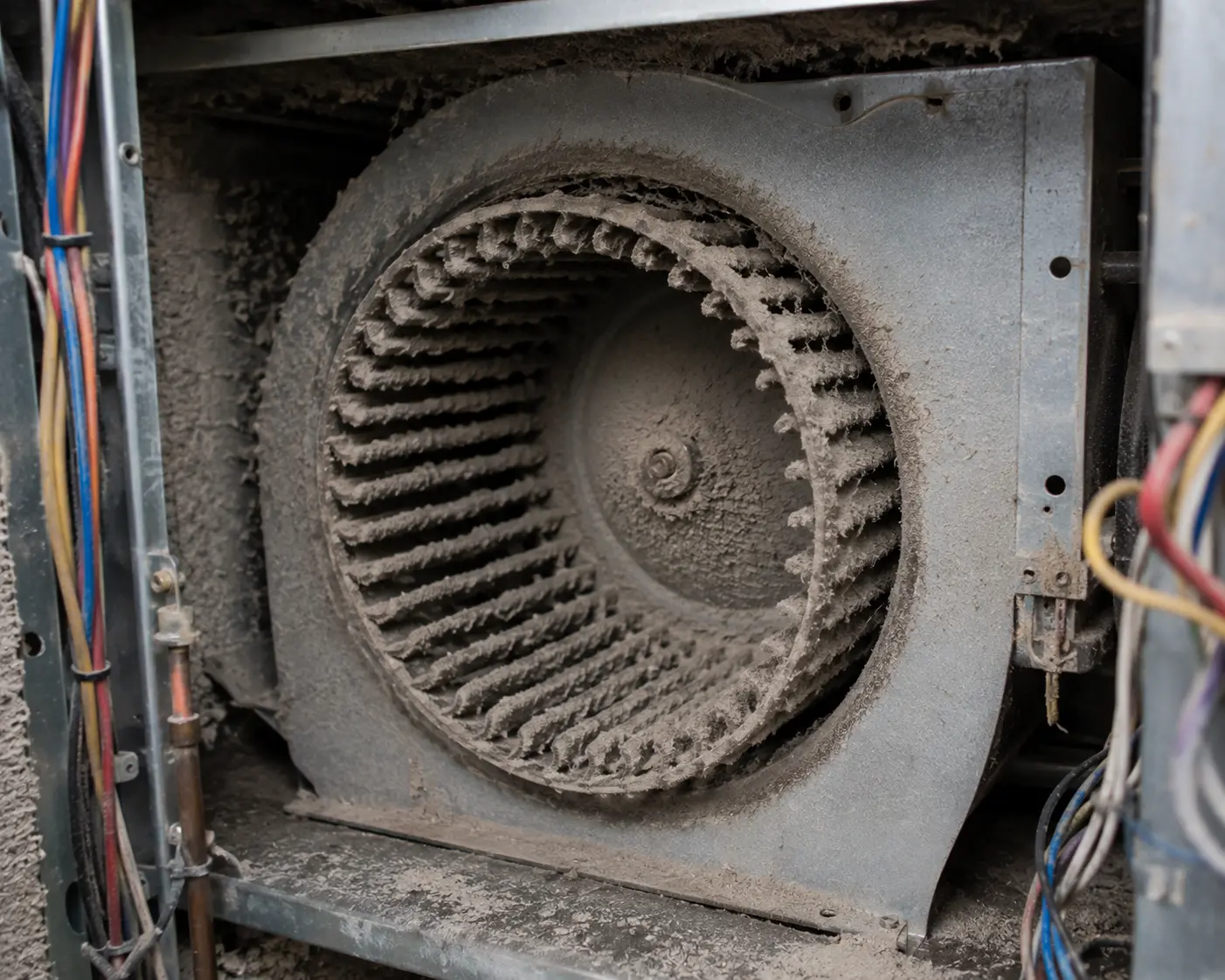
Cleaning dirty ductwork is only one part of maintaining a healthy heating and cooling system. If your ducts become excessively dusty shortly after a cleaning service, unsealed leaks in return duct lines may be pulling dirty air directly from your attic, basement, or crawlspace into your living areas.
Combining routine cleaning with professional duct leak testing and targeted duct sealing prevents outside contaminants from entering the airstream. Furthermore, if duct lines are structurally damaged, crushed, or sagging, scheduling prompt air duct repair ensures proper airflow distribution and prevents future debris accumulation.

DIY Preventive Maintenance vs. Professional Service
Homeowners can take simple, proactive steps to protect their air ducts and extend the time between professional cleanings.
| Maintenance Task | DIY Responsibility | Professional HVAC Service |
|---|---|---|
| Air Filter Replacement | Change filters every 30–90 days (MERV 8–11) | Inspect filter housing and rack alignment |
| Register & Grille Cleaning | Vacuum and wipe down supply/return covers | Remove and deep-wash register boots |
| Visual Checks | Inspect accessible vents with a flashlight | Perform camera video inspection inside trunks |
| Internal Duct Cleaning | Not recommended (can damage flex liners) | Rotary brush and high-powered negative vacuum |
Frequently Asked Questions
Can cleaning air ducts damage my HVAC system?
If performed by uncertified technicians using improper tools (such as rigid rods on flexible ducting), duct walls can tear. Always hire certified technicians who follow NADCA standards to ensure safe, effective cleaning.
How long does a professional duct cleaning take?
A comprehensive air duct cleaning for a standard single-family home typically takes 3 to 5 hours, depending on system size, duct accessibility, and the number of supply and return registers.
How do I prevent my air ducts from getting dirty quickly?
To keep your ductwork clean, replace air filters regularly every 1 to 3 months, seal return duct leaks in attics or crawlspaces, use a vacuum with a HEPA filter, and keep return vents unobstructed.
Does air duct cleaning lower monthly energy bills?
Cleaning heavily clogged ducts, blower motor fans, and cooling coils restores unrestricted airflow, allowing your HVAC unit to run shorter, more efficient heating and cooling cycles.
How can I tell if my ducts were cleaned properly?
A professional technician should provide before-and-after photographs or video inspection footage showing the interior of your main supply trunks, return lines, and air handler assembly.
Keep Your Indoor Air Fresh and Clean
Knowing when to clean your air ducts ensures your heating and cooling system operates reliably while protecting your indoor air quality.
The certified technicians at Go Air Ducts provide expert air ducts cleaning, thorough air ducts inspection, duct leak testing, and professional duct sealing across Austin, San Antonio, and nearby Texas communities.
Contact Go Air Ducts today to schedule a professional duct inspection and maintain clean, healthy air in your home.