
🕑 12 min read
How does insulation improve HVAC performance?
Proper insulation reduces heat transfer, so your HVAC does not fight constant temperature swings, cutting run time, energy bills, and wear. Combined with clean ducts, the gains are even bigger. Go Air Ducts upgrades insulation to boost HVAC performance and lower energy costs in Texas homes.
Table of Contents
- Why Your HVAC Works Harder Than Necessary
- The Hidden Connection Between Insulation and System Efficiency
- How Poor Insulation Drains Your Energy Budget
- Our Insulation Solutions That Transform HVAC Performance
- The Science Behind Temperature Retention and System Load
- Professional Installation Makes the Difference
- Real Results from Texas Homeowners
- Insulation Upgrades We Recommend for Maximum HVAC Efficiency
- Combining Insulation with Air Duct Cleaning for Optimal Results
- Your Path to Lower Energy Costs and Better Comfort
- Frequently Asked Questions (FAQ)
Why Your HVAC Works Harder Than Necessary
When we inspect homes across Austin and San Antonio, we often find the same pattern: homeowners are frustrated with climbing energy bills and uncomfortable rooms that never seem to reach the right temperature. Most assume their HVAC system is failing. What they don’t realize is that poor insulation is forcing their system to work twice as hard to maintain comfort. The truth is that your air conditioning and heating equipment can only do so much if the building envelope isn’t doing its job.
After 15 years of HVAC service throughout Texas, we’ve seen firsthand how the right insulation transforms system performance. It’s not a glamorous fix, but it’s one of the most effective ways to lower your energy costs and extend the life of your equipment. Let’s walk through how this works and what you can do about it.
Your HVAC system cycles on and off to maintain your set temperature. When insulation is inadequate, conditioned air escapes through walls, attics, and crawl spaces. Your system detects the temperature drop and kicks in again, running nearly continuously during peak summer and winter months.
Think of it this way: in summer, your air conditioner cools air to 55 degrees and sends it through ducts. If those ducts run through an uninsulated attic where temperatures hit 130 degrees, that cool air warms up significantly before reaching living spaces. Your thermostat reads the indoor temperature as higher than desired, and the system runs another cycle. This happens dozens of times per day.
The same problem exists in winter. Heat escapes through poorly insulated attics and walls, forcing your heating system to run longer and more frequently. Your equipment cycles excessively, consuming more energy and wearing out faster.
What to do next: Walk through your attic during daylight. If you can see roof decking (the plywood under the shingles) clearly, you likely need more insulation. Most homes in Texas should have at least R-38 insulation in attics; many benefit from R-49 or higher.
The Hidden Connection Between Insulation and System Efficiency
Insulation and HVAC performance are interdependent. Your furnace, air conditioner, and heat pump can only achieve their rated efficiency when the building they’re conditioning is reasonably sealed.
When insulation fails, your system’s efficiency rating becomes meaningless. A high-efficiency unit in a poorly insulated home wastes more energy than a standard unit in a well-insulated one. The missing piece most homeowners don’t understand is that insulation is actually part of your HVAC strategy, not something separate from it.
We work with customers who’ve invested in new energy-efficient HVAC systems but still see high bills. When we evaluate their homes, the reason becomes obvious: their attics, basements, or crawl spaces are virtually uninsulated. They’ve upgraded the engine without fixing the leak.
Proper insulation means your system runs shorter cycles at consistent efficiency. Your equipment doesn’t overheat or overwork. You’ll notice more stable temperatures throughout your home and fewer drafts.
What to do next: Schedule a free energy assessment. We can use thermal imaging to identify where conditioned air is escaping and calculate the real-world efficiency loss in your specific home.
How Poor Insulation Drains Your Energy Budget
The financial impact of inadequate insulation is substantial. Texas homeowners with poorly insulated attics often pay 30% to 50% more for heating and cooling than they should.
Let’s look at a concrete example. A 2,000-square-foot home in San Antonio with poor attic insulation might spend $200+ per month on cooling during summer. The same home with proper insulation and sealed air leaks could drop to $130 to $150 per month. Over a year, that’s $600 to $1,200 in wasted money.
The problem compounds over time. Your HVAC system runs continuously, which accelerates wear and tear. Compressors fail earlier. Capacitors burn out. You end up replacing a $5,000 air conditioner three years sooner than necessary, costing you an extra $15,000 or more over the system’s life.
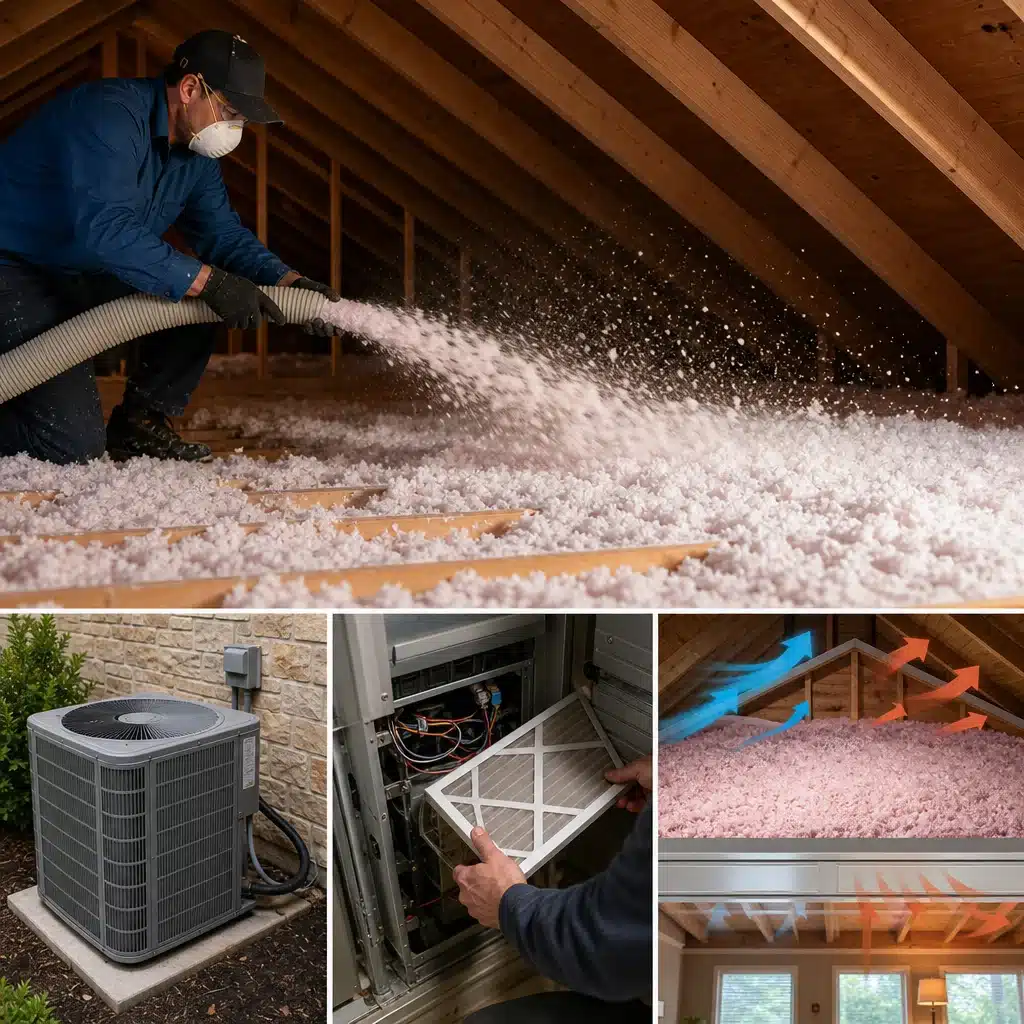
Poor insulation also impacts comfort. Upstairs rooms overheat in summer while downstairs stays cold. Bedrooms near exterior walls feel drafty. You adjust your thermostat constantly, which only increases energy use without solving the underlying problem.
What to do next: Review your last 12 months of energy bills. If your monthly cooling costs exceed $180 in summer or heating costs exceed $150 in winter for a modest-sized home, inadequate insulation is likely a factor. Our team can provide a detailed analysis at no charge.
Our Insulation Solutions That Transform HVAC Performance
We offer several insulation approaches tailored to Texas homes. Your best option depends on your attic access, current insulation levels, and budget.
Blown-in insulation is our most common recommendation. We use cellulose or fiberglass material blown into attics, wall cavities, and crawl spaces. This method reaches tight areas and seals around existing obstructions. For attics, we typically add insulation to reach R-38 to R-49 depending on your home’s age and cooling needs.
Spray foam insulation works well for basement rim joists, crawl spaces, and areas where air sealing matters as much as thermal resistance. Closed-cell foam blocks both heat transfer and air infiltration simultaneously. It’s more expensive but delivers superior performance in problem areas.
Fiberglass batts remain useful for new construction and accessible wall cavities where blown-in material won’t work.
We always start with air sealing. Caulking gaps around ductwork, electrical penetrations, and chimney chases prevents conditioned air from escaping. This step alone can save 10% to 15% on energy costs.
What to do next: Contact us for a no-obligation insulation assessment. We’ll identify your home’s weakest areas and recommend specific upgrades with expected energy savings.
The Science Behind Temperature Retention and System Load
Insulation works by trapping air pockets. Materials like fiberglass and cellulose resist heat flow through conduction and convection. The R-value measures this resistance; higher numbers mean better performance.
In Texas, understanding seasonal load matters. During summer, you want insulation to reflect heat and prevent outdoor temperatures from entering your home. During winter, you want it to retain indoor warmth. The same insulation does both jobs, but heat gain matters more in our climate.
Your HVAC system’s capacity is fixed. A 3-ton air conditioner can only cool so much. If your home is losing that cooled air rapidly through poor insulation, the system runs constantly and falls behind on hot days. Upgrading insulation effectively reduces the cooling load, allowing your system to maintain comfort without overworking.
We also consider ductwork insulation. Ducts running through unconditioned spaces lose efficiency. Properly insulated ducts maintain air temperature between the equipment and your home. You’ll learn more about this when we discuss combined solutions below.
What to do next: Have your ductwork inspected for proper insulation. Ducts in attics and crawl spaces should have at least 1 inch of rigid foam or 2 inches of fiberglass wrap.
Professional Installation Makes the Difference
DIY insulation rarely delivers the performance results that professional installation achieves. Small gaps, uneven coverage, and improper air sealing leave thermal bridges where heat escapes.
When our technicians blow in attic insulation, we:
- Seal all penetrations and gaps before adding insulation
- Maintain proper coverage depth throughout the attic
- Install baffles to preserve ventilation and prevent moisture problems
- Work around ductwork and HVAC equipment safely
- Document R-value achievement for warranty purposes
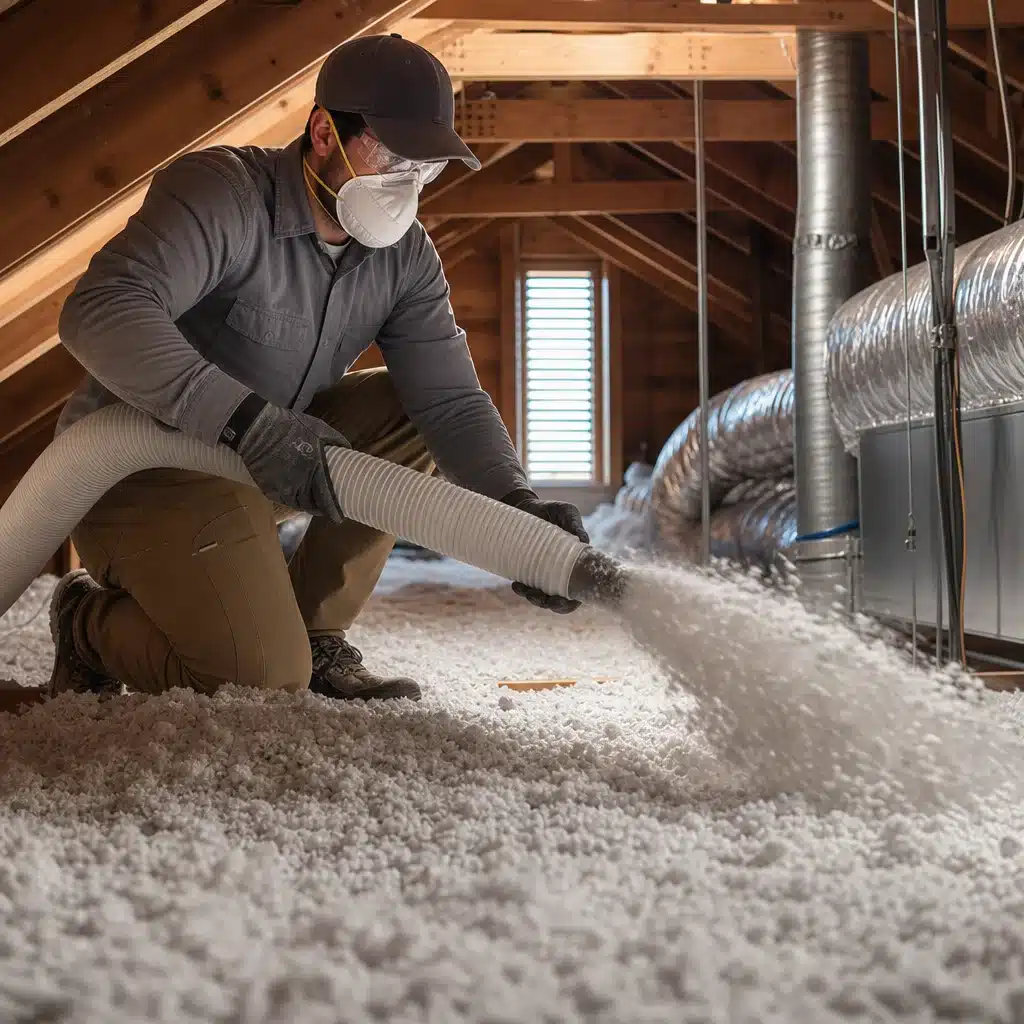
Improper insulation installation can create moisture problems. If attic insulation blocks ventilation or if wet insulation gets installed, you risk mold growth and wood rot. Our team understands Texas humidity conditions and builds proper ventilation into every project.
We also handle the messy parts. Insulation installation creates dust and debris. We contain the work area, clean up thoroughly, and use professional-grade equipment that homeowners typically can’t rent.
What to do next: Never hire someone without verifying their experience with attic insulation and thermal imaging assessment. Ask for references from recent customers in your area.
Real Results from Texas Homeowners
One Austin homeowner called us with a $280 monthly summer cooling bill and uneven comfort. Her 1970s home had only 3 inches of original insulation in the attic. After we upgraded to R-49 blown-in insulation and sealed 47 air leaks, her summer bills dropped to $165 per month. She also reported that the upstairs bedrooms, previously unbearably hot, stayed within 2 degrees of her thermostat setting.
A San Antonio family invested in a new high-efficiency air conditioner but were disappointed by modest bill savings. We found their crawl space had virtually no insulation. Once we sealed rim joists and added proper insulation, their energy costs dropped another 20% beyond what the new equipment alone delivered.
These results aren’t unusual. Most Texas homeowners see 25% to 40% reduction in heating and cooling costs when they combine insulation upgrades with air sealing and professional ductwork evaluation.
Beyond energy savings, customers report noticing better indoor air quality. When we seal air leaks, we also seal out dust and outdoor air pollutants. Combined with proper air duct cleaning, homes feel fresher and allergen levels drop noticeably.
What to do next: Look for a local company that can show you before-and-after energy bills from recent projects. Real data beats promises every time.
Insulation Upgrades We Recommend for Maximum HVAC Efficiency
Your insulation strategy should be layered. Start with the attic, which loses more conditioned air than any other building component.
Attic insulation should reach R-38 minimum in Texas. We recommend R-49 for homes with high cooling loads or aging HVAC equipment. Proper ventilation is essential; we ensure soffit and ridge vents remain clear after insulation work.
Duct insulation comes next. Existing ducts in attics and crawl spaces should be wrapped. New duct insulation types vary; we specify the right material based on duct location and moisture risk.
Crawl space encapsulation prevents outdoor air and moisture from entering your home’s foundation. We seal the foundation perimeter, insulate rim joists, and install vapor barriers. This single project can reduce energy costs 15% to 20% in homes with crawl spaces.
Wall insulation matters less in Texas compared to northern climates, but exterior-facing walls benefit from blown-in cellulose if you’re already working in those spaces.
Many homeowners can access Texas attic insulation rebates through utility companies and state programs. These rebates offset 20% to 50% of insulation costs, making upgrades more affordable than most realize.
What to do next: Prioritize based on your current insulation levels. Attic upgrades deliver the fastest return on investment, typically 3 to 5 years.
Combining Insulation with Air Duct Cleaning for Optimal Results
Insulation and duct cleaning work together to maximize HVAC performance. Here’s why they’re complementary.
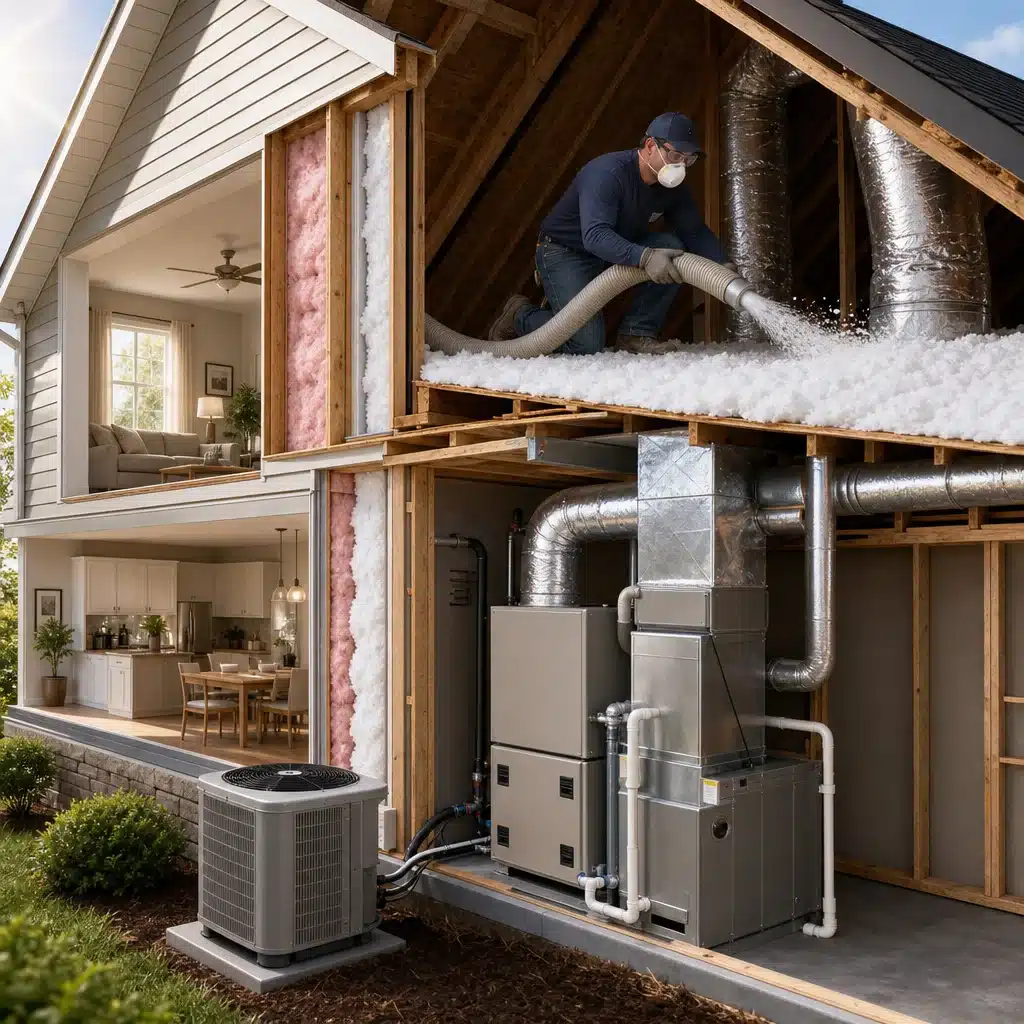
When ductwork sits in an uninsulated attic, temperature changes damage the duct seams and connections over time. Cold spots in ducts during winter and heat expansion in summer cause joints to separate. Dust and mold spores enter through these leaks. Cleaning alone can’t fix the problem permanently.
When you insulate the attic first, you stabilize duct temperatures and reduce stress on connections. Then, professional duct cleaning removes any accumulated dust, mold, and debris. The combination ensures your system runs cleanly and efficiently.
We also check humidity and HVAC efficiency during insulation work. Proper insulation reduces the indoor temperature swings that cause excess humidity. Your HVAC system doesn’t have to work as hard to maintain comfortable humidity levels.
Customers who bundle these services notice the difference within weeks. HVAC cycles shorten, rooms reach temperature faster, and energy bills drop noticeably.
What to do next: Schedule both services as a package project. We can coordinate timing so insulation work is complete before we clean and seal ducts.
Your Path to Lower Energy Costs and Better Comfort
The path forward is straightforward. Start with a professional assessment of your home’s insulation and air-sealing needs. We’ll use thermal imaging and ducting analysis to identify exactly where you’re losing energy and money.
From there, we’ll recommend a phased approach. Most Texas homeowners see the best return by starting with attic insulation and air sealing, moving to duct insulation and cleaning, and finally addressing crawl spaces if applicable.
We provide free estimates with no obligation. Our team brings the equipment to assess R-values, locate air leaks, and calculate expected energy savings specific to your home. You’ll know exactly what you’re getting before any work begins.
Many homeowners are surprised to learn that proper insulation costs far less than they expected, especially when rebates apply. The payback period is often just a few years, after which you’re saving thousands monthly.
Take the first step today. Call us for a free consultation, or schedule an assessment online. We serve Austin, San Antonio, Dallas, and Houston with certified technicians and a commitment to professional, transparent service. Your more comfortable, efficient home is waiting.
If you’re dealing with dust, poor airflow, mold in your ducts, or a clogged dryer vent — don’t wait. These issues can affect your health and safety. Go Air Ducts Group are the local experts in air duct cleaning, mold removal, dryer vent cleaning, and attic insulation. Call now for a free inspection and same-day service in Austin and San Antonio.
Frequently Asked Questions (FAQ)
How much can I save on energy bills by upgrading my insulation?
We’ve found that homeowners typically see energy savings between 15-30% after upgrading their insulation, depending on your current R-value and local climate conditions. The exact savings depend on factors like your home’s age, current insulation levels, and how efficiently your HVAC system runs. We recommend getting a free energy assessment from our team so we can give you a personalized estimate based on your specific situation.
Why should I combine air duct cleaning with insulation upgrades?
We’ve learned that insulation and clean air ducts work together to maximize your HVAC efficiency. Poor insulation forces your system to work overtime, while dirty ducts reduce airflow and waste the conditioned air we’re producing. When we handle both services together, we eliminate the obstacles preventing your system from running at peak performance and delivering consistent comfort throughout your home.
Does professional installation really make a difference compared to DIY insulation?
We always recommend professional installation because improper installation creates gaps and compression that significantly reduce insulation effectiveness. Our certified technicians ensure correct R-values, proper ventilation, and complete coverage that DIY approaches often miss. We stand behind our work with the knowledge that your insulation investment will deliver the performance you’re paying for.