
🕑 12 min read
How do you prevent seasonal duct mold in Austin?
Preventing seasonal duct mold means controlling humidity, keeping coils and drain pans clean, and inspecting ducts before weather changes. Go Air Ducts helps Austin homeowners prevent seasonal duct mold with proactive cleaning and moisture control, keeping air healthy through humid springs and temperature swings.
Table of Contents
- Why Austin’s Climate Creates Perfect Conditions for Duct Mold
- The Hidden Health Risks of Mold in Your Air System
- How Seasonal Changes Trigger Mold Growth in Your Ducts
- Signs Your Air Ducts Have Developed Mold
- Our Professional Duct Cleaning Solution for Austin Homes
- Advanced Mold Detection and Removal Process
- Insulation and Moisture Control to Stop Mold Return
- Long-Term Prevention Strategies We Recommend
- Why Regular Maintenance Beats Emergency Remediation
- Frequently Asked Questions (FAQ)
Why Austin’s Climate Creates Perfect Conditions for Duct Mold
Austin’s humid subtropical climate creates the perfect storm for mold growth inside your air ducts. Every spring and summer, we see homeowners dealing with musty odors, reduced airflow, and health issues they didn’t expect. The good news: with the right preventive steps and professional support, you can stop mold before it becomes a costly problem.
Austin averages 65% humidity annually, with summer months pushing well above 75%. Mold thrives in moisture, and your air ducts are a natural breeding ground because they trap dust, condensation, and warm air year-round.
When your HVAC system cycles on and off, temperature swings inside the ducts create condensation. This moisture sits on duct walls and insulation, feeding mold spores that are already floating in the air. Unlike drier climates, Austin homeowners can’t simply “air it out” because the outdoor humidity levels match or exceed indoor moisture.
The problem intensifies during spring rainfall and summer storms. If your ductwork isn’t properly sealed or insulated, warm outdoor air infiltrates the system, meeting cool indoor air and generating condensation deep inside the ducts where you can’t see it happening.
What to do next: Have your ductwork inspected to identify air leaks and weak insulation areas that allow moisture infiltration.
The Hidden Health Risks of Mold in Your Air System
Mold spores circulate through your home every time your HVAC system runs. Unlike mold on a bathroom wall where you can isolate the area, duct mold spreads directly into every room connected to your system.
People with asthma, allergies, or compromised immune systems feel the impact fastest. They may experience increased respiratory symptoms, persistent coughing, or sinus problems that seem worse indoors. Children and elderly family members are especially vulnerable because their airways are more sensitive to irritants.
Even healthy adults can develop symptoms over time. Prolonged exposure to mold spores can trigger allergic reactions, fungal infections in the lungs, or chronic inflammation of the airways. Some homeowners report that their allergy medications stop working effectively once duct mold is present, because the source of the irritation is being pumped through their living spaces continuously.
Beyond health impacts, mold degrades your HVAC system. It clogs filters faster, reduces airflow, forces your system to work harder, and shortens equipment lifespan. A moldy duct system is also an inefficient system, which means higher energy bills.
What to do next: If you notice respiratory symptoms that improve when you leave home and worsen when you return, schedule a professional inspection to check for mold.
How Seasonal Changes Trigger Mold Growth in Your Ducts
Spring in Austin brings rapid temperature swings and heavy rain. Your air conditioning system kicks in, creating a temperature differential between outside air and your ducts. This is when condensation forms fastest inside the system.
Summer extends the cycle. High outdoor temperatures combined with your AC running constantly means moisture is continuously generated. If your ducts aren’t insulated to R-8 standards or higher, that moisture penetrates the ductwork and sits there.
Fall provides a false reprieve. People often reduce AC usage, thinking the humidity problem ends. But Texas fall humidity remains elevated, and sporadic AC use can actually be worse because your system doesn’t run continuously enough to dry out the ducts.
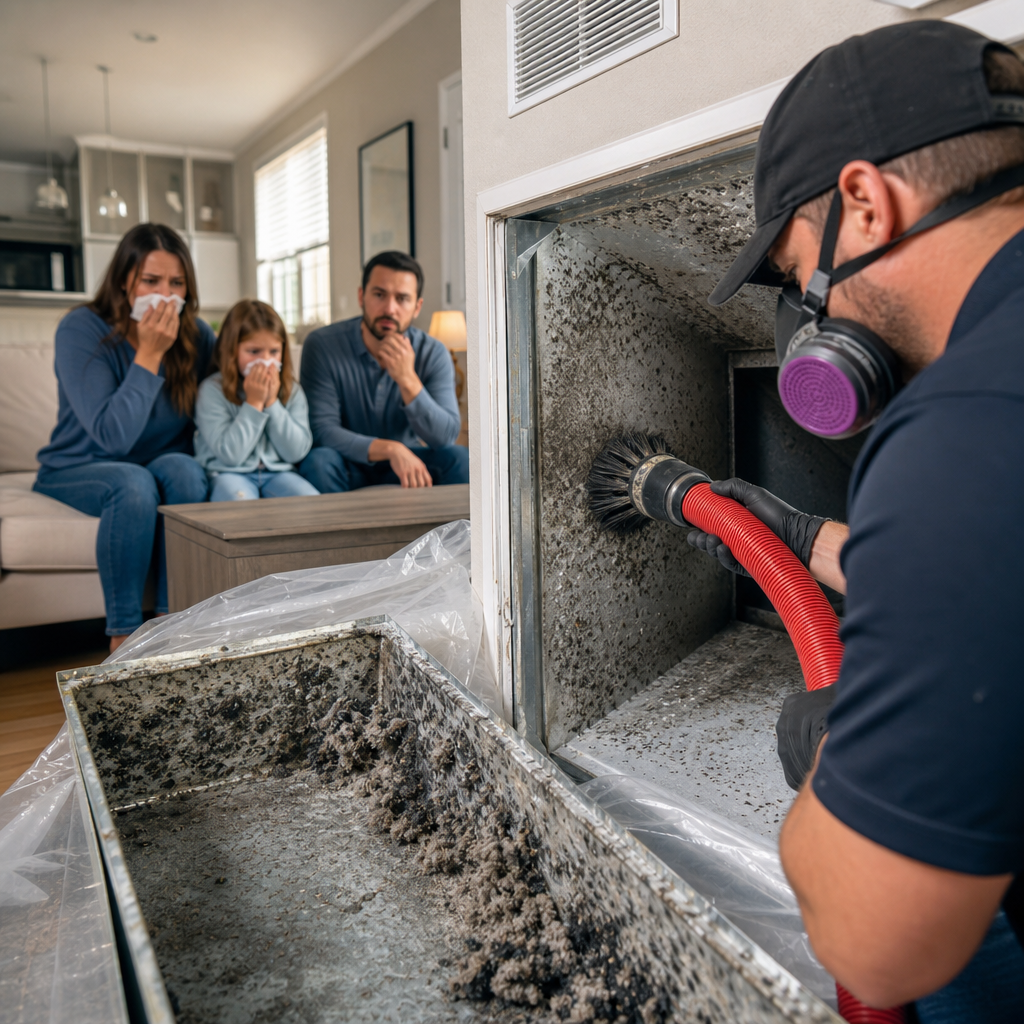
Winter presents a different challenge. Holiday gatherings and cooking activities increase indoor humidity. When you turn off the AC and open windows, warm humid air can enter your ducts through gaps and leaks. Then, as outdoor temperatures drop at night, condensation forms inside.
Late winter and early spring is when we receive the most calls for mold remediation. By then, mold has been growing for months inside ducts, and homeowners finally notice the musty smell or health symptoms.
What to do next: Schedule your professional ductwork inspection in late winter, before spring humidity spikes, so you catch problems early.
Signs Your Air Ducts Have Developed Mold
A musty, earthy smell coming from your vents is the most obvious warning sign. This odor intensifies when the system first runs in the morning or after sitting idle. If you notice it, mold is already established inside.
Visual clues appear in return air vents and around duct openings. Look for visible black, green, or gray spots on the duct interior, vent grilles, or inside your furnace plenum. Some mold hides deeper in the system, so absence of visible growth doesn’t mean your ducts are clean.
Dust accumulation happens faster when mold is present. Your filters clog more quickly than normal, and you may see a thin film of dust on furniture and surfaces even after cleaning. This indicates that air quality is deteriorating.
Health symptoms cluster around HVAC usage. If family members develop coughs, sneezing, or eye irritation when the system runs and improve when it’s off, duct mold is a strong possibility. Pay attention to patterns: do symptoms worsen in spring and summer?
Poor airflow or uneven cooling can signal duct blockages caused by mold buildup and debris. Some rooms feel significantly cooler or warmer than others, or certain vents blow noticeably less air than they did before.
What to do next: Call for a same-day inspection if you smell mustiness or notice health symptoms. The longer you wait, the more mold spreads and the higher your remediation costs.
Our Professional Duct Cleaning Solution for Austin Homes
We use high-powered vacuum systems and specialized tools to remove mold, dust, and debris from every section of your ductwork. Our process starts with a thorough video inspection to locate problem areas and understand the full scope of contamination.
Our certified HVAC technicians then access your ducts at multiple points, using negative pressure and agitation techniques to dislodge mold, dust, and buildup that DIY methods can’t reach. We clean supply ducts, return ducts, plenums, and registers as one complete system.
For mold-specific cases, we apply EPA-approved antimicrobial treatments after cleaning. These treatments prevent immediate regrowth and provide a protective barrier for weeks following service. However, treatment alone won’t solve the problem if moisture continues entering your ducts, so we always address the underlying cause.
The entire process typically takes 4 to 6 hours for a standard home, depending on system size and contamination levels. You’ll notice improved airflow immediately, and odors should disappear within 24 hours as the system cycles through clean ducts.
We offer free service estimates, so there’s no obligation to learn exactly what your system needs. Our team can also recommend companion services like air duct mold remediation or insulation upgrades to prevent future problems.
What to do next: Request your free estimate online or call us for same-day availability. We serve Austin and San Antonio with flexible scheduling.
Advanced Mold Detection and Removal Process
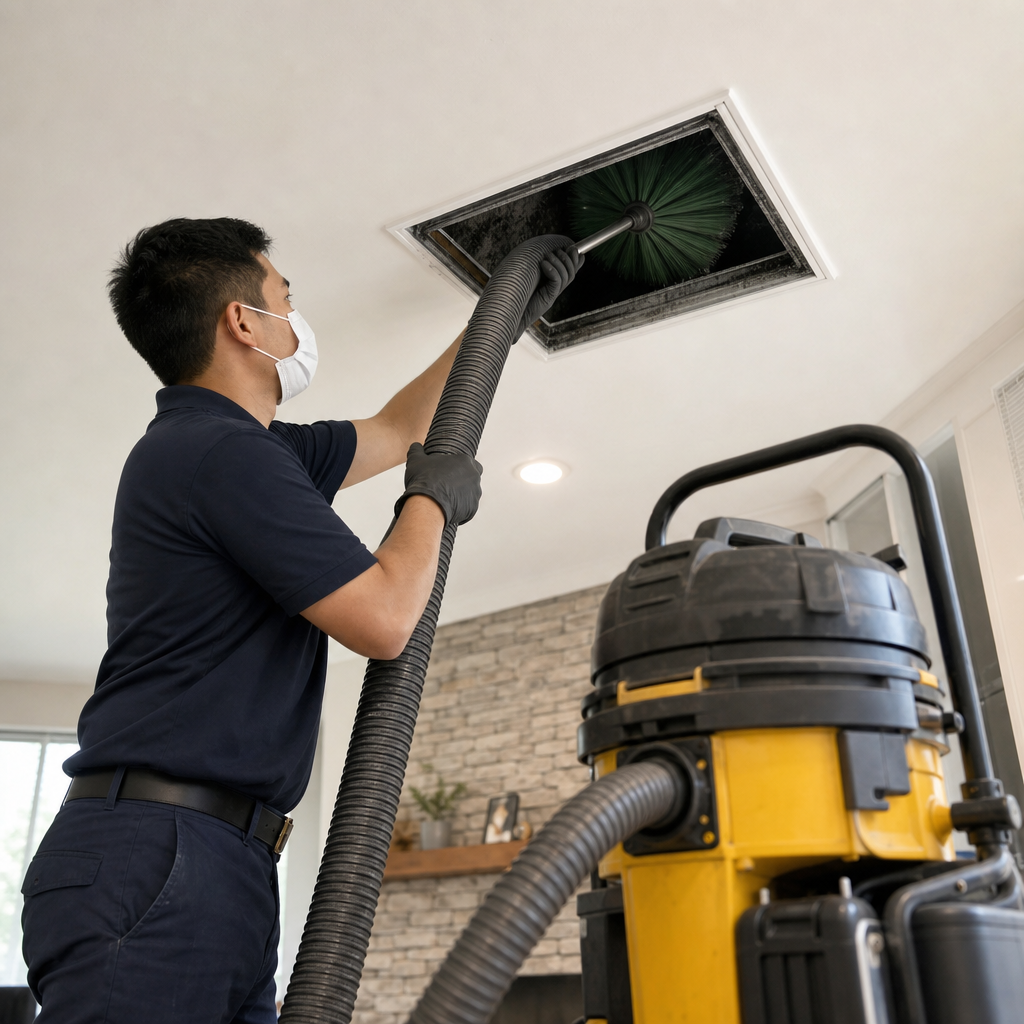
Modern detection starts with video inspection cameras inserted into your ductwork. These high-resolution cameras let us see mold growth, moisture damage, and structural problems that would otherwise remain hidden. We document everything and show you the footage so you understand exactly what we’re treating.
Some cases require additional diagnostics. We can perform moisture readings inside the ductwork, check humidity levels in different areas of your home, and assess insulation condition. These measurements help us identify whether you have an isolated mold problem or a broader moisture control issue.
Our removal process uses hospital-grade equipment. We isolate sections of ductwork, apply controlled negative pressure, and use rotating brushes and compressed air to break loose mold and debris. Unlike surface cleaning, this approach removes buildup from inside the duct walls themselves.
After mechanical cleaning, we apply approved antimicrobial solutions that kill remaining spores and prevent regrowth for several weeks. For severe cases, we may recommend HEPA filtration upgrades or UV light systems that continue protecting your system between cleanings.
We also test the system after cleaning to verify that airflow has improved and no contamination remains visible. You receive documentation of the work completed, which is valuable for your home records and helps with future maintenance planning.
What to do next: Ask about our post-cleaning verification process when you schedule service so you understand exactly what proof you’ll receive.
Insulation and Moisture Control to Stop Mold Return
Proper duct insulation is your first line of defense against mold. Ducts should be insulated to R-8 minimum in attics and R-6 in conditioned spaces. This prevents temperature swings that trigger condensation inside the ducts.
If your ducts are uninsulated or poorly insulated, mold will return quickly after cleaning because nothing prevents moisture from re-forming. We recommend replacing or upgrading insulation at the same time you have ducts cleaned, so the problem stays solved.
Seal air leaks throughout your ductwork. Small gaps and cracks allow humid outdoor air to enter your system, introducing moisture directly into the ducts. Professional sealing using mastic sealant and metal tape creates an airtight system that prevents this infiltration.
Consider attic ventilation and moisture management. If your attic is trapping humidity, that heat and moisture find their way into your ductwork. Proper soffit and ridge vents, combined with a radiant barrier or quality insulation, keep your attic environment drier and cooler.
Humidity control inside your home matters too. Use exhaust fans in bathrooms and kitchens, run your AC system during humid months even if you’re trying to conserve energy, and avoid leaving windows open during high-humidity periods. Maintaining indoor humidity below 50% reduces mold risk across your entire home.
We can assess your attic insulation and mold prevention needs as part of our service. Insulation upgrades often qualify for energy-efficiency rebates in Austin and San Antonio, which can offset costs.
What to do next: Have your insulation and ductwork sealed evaluated during your next service call. This prevents expensive mold problems from recurring.
Long-Term Prevention Strategies We Recommend
Replace your HVAC filters every 60 days during high-humidity months (spring through fall) and every 90 days during drier periods. A clogged filter reduces airflow, traps moisture in the system, and accelerates mold growth. High-MERV filters (MERV 11-13) also capture more dust and debris that feeds mold.
Schedule professional duct cleaning every 3 to 5 years, or sooner if you notice any warning signs. Regular cleaning removes dust buildup before it accumulates enough to support significant mold colonies. For homes with pets, smokers, or severe allergies, annual cleaning may be worthwhile.
Have your HVAC system serviced twice yearly. Spring maintenance before cooling season starts and fall maintenance before heating season ensures your system is operating efficiently and not trapping moisture unnecessarily.
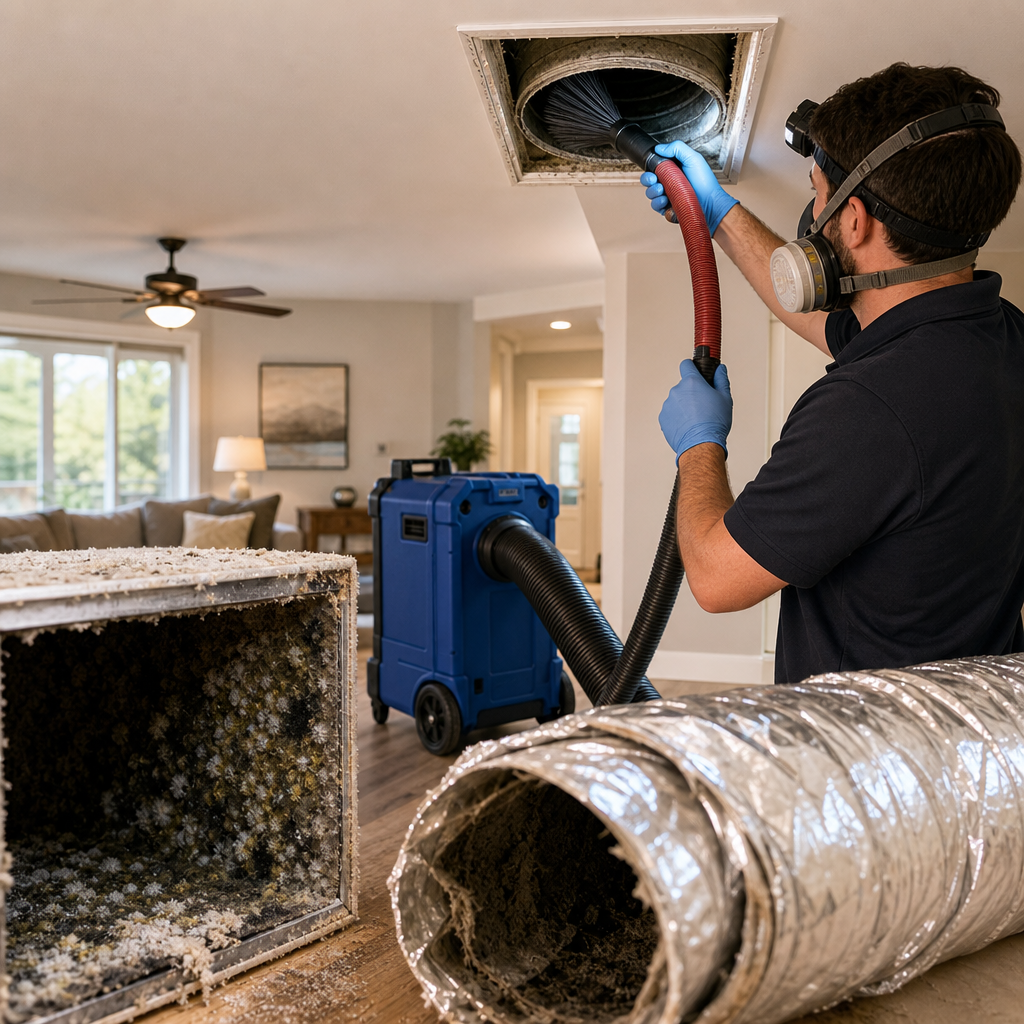
Monitor your home’s humidity levels, especially during spring and summer. If indoor humidity regularly exceeds 50%, invest in a whole-home dehumidifier. This single investment can prevent mold growth throughout your entire home, not just in the ducts.
Keep gutters clean and ensure proper drainage away from your foundation. Water infiltration into crawlspaces or attics increases overall home humidity, which eventually affects your ductwork. Proper exterior moisture management is critical in Austin’s rainy climate.
What to do next: Create a maintenance calendar for filter changes and annual inspections. Consistency prevents expensive emergency repairs and health problems.
Why Regular Maintenance Beats Emergency Remediation
Finding mold during a routine inspection costs far less than discovering it after health symptoms develop and require professional remediation. A standard cleaning runs $500-$1,200 depending on system size. Emergency mold remediation with antimicrobial treatment and potential ductwork replacement can exceed $3,000-$5,000.
Regular maintenance also extends equipment lifespan. Clean ducts mean your HVAC system doesn’t work as hard, which reduces wear and tear. Many homeowners find that their systems last 5 to 7 years longer when maintained consistently. That’s a significant savings considering a new HVAC system installation runs $5,000-$10,000.
Beyond cost, consistency prevents the health disruptions that come with active mold problems. Respiratory issues, allergies, and other symptoms disappear when mold is addressed early, rather than persisting for months while you search for a solution.
We track maintenance history for every customer and send reminders when service is due. This removes guesswork and helps you stay ahead of seasonal humidity challenges that Austin homeowners face year-round. You also receive priority scheduling during peak seasons.
The peace of mind matters too. Knowing your ducts are clean, your insulation is adequate, and your system is operating efficiently means you can focus on your family rather than worrying about indoor air quality or expensive equipment failures.
What to do next: Contact us today for your free inspection and maintenance plan. We’ll assess your current duct condition and create a customized prevention strategy for your Austin or San Antonio home. Same-day and next-day appointments are available, and we serve the greater Dallas, Houston, Austin, and San Antonio areas.
If you’re dealing with dust, poor airflow, mold in your ducts, or a clogged dryer vent — don’t wait. These issues can affect your health and safety. Go Air Ducts Group are the local experts in air duct cleaning, mold removal, dryer vent cleaning, and attic insulation. Call now for a free inspection and same-day service in Austin and San Antonio.
Frequently Asked Questions (FAQ)
How often should we have our air ducts professionally cleaned to prevent mold in Austin?
We recommend professional air duct cleaning every 3-5 years for most Austin homes, but properties in humid areas or those experiencing moisture issues may benefit from cleaning every 2-3 years. Our clients often find that combining regular cleaning with our moisture control insulation upgrades extends the time between services and prevents mold from returning. We can assess your specific situation during a free estimate to create a maintenance schedule tailored to your home’s needs.
What’s the difference between having mold in our ducts versus just dust buildup?
Mold in ducts produces a musty odor that grows stronger when your HVAC system runs, and it often appears as dark spots or patches inside ductwork. Dust buildup won’t create that distinctive smell and typically doesn’t trigger allergy symptoms the way mold does. We use advanced detection equipment during our inspections to distinguish between the two and determine exactly what you’re dealing with before recommending treatment.
Will cleaning our ducts alone stop mold from coming back, or do we need additional work?
Cleaning alone addresses existing mold, but we’ve found that Austin’s humidity means mold frequently returns without addressing the moisture source. We combine professional cleaning with insulation improvements and proper ventilation adjustments to control humidity levels in your ductwork, which is what actually prevents regrowth. Our comprehensive approach means you’re investing in a real long-term solution rather than addressing the same problem repeatedly.