
🕑 12 min read
Do you insulate after mold cleanup in San Antonio?
Yes. After mold removal, replacing contaminated insulation is essential to prevent regrowth and restore energy efficiency. Fresh insulation also protects the home from future moisture issues. Go Air Ducts handles insulation installation after mold cleanup for San Antonio homes, protecting your air quality and comfort long-term.
Table of Contents
- Why Mold Cleanup Requires Strategic Insulation Solutions
- The Hidden Risks of Incomplete Mold Remediation
- How Moisture Problems Lead to Repeated Mold Growth
- Our Integrated Approach to Permanent Mold Prevention
- Choosing the Right Insulation Type for Your San Antonio Climate
- How We Install Insulation to Maximize Mold Prevention
- Energy Efficiency Gains After Professional Mold Treatment
- Signs Your Home Needs Post-Cleanup Insulation Upgrades
- Our Certified Technician Process from Start to Finish
- Why San Antonio Homeowners Choose Go Air Ducts for Complete Solutions
- Getting Your Free Estimate Today
- Frequently Asked Questions (FAQ)
Why Mold Cleanup Requires Strategic Insulation Solutions
When mold appears in your San Antonio home, the cleanup itself is only half the battle. We’ve learned through years of helping homeowners across Texas that removing visible mold without addressing the underlying moisture and insulation gaps leaves your property vulnerable to rapid regrowth. The Texas heat and humidity create ideal conditions for mold to return within months if the root causes aren’t properly sealed and insulated.
We bring together mold remediation expertise with strategic insulation upgrades to create a complete solution that protects your home for years to come. This guide walks through why integrated mold cleanup and insulation work together, how to choose the right approach for San Antonio’s climate, and what our certified technicians do to ensure lasting protection.
Mold remediation addresses the visible problem, but insulation upgrades prevent the moisture conditions that allow mold to return. Think of it this way: removing mold from an attic without improving ventilation and insulation is like treating a leak without fixing the hole in the roof.
Poor or deteriorating insulation allows warm, humid air to reach cold surfaces where condensation forms. In San Antonio, where summer humidity runs high and attics get brutally hot during the day, temperature swings create moisture pockets. New, properly installed insulation reduces these temperature differentials, keeping surfaces warmer and preventing the condensation that feeds mold growth.
We’ve found that homes treated for mold but left with original, settling insulation experience problems again within 12 to 18 months. Strategic insulation installation after cleanup eliminates the moisture pathways mold needs to establish itself.
Action step: Schedule a post-remediation inspection with a certified technician who can assess both your cleanup work and insulation condition.
The Hidden Risks of Incomplete Mold Remediation
Many San Antonio homeowners believe that once mold is cleaned, the problem is solved. The reality is more complex. Incomplete remediation leaves dormant spores and moisture conditions intact, creating a foundation for rapid regrowth.
Common incomplete remediation scenarios include:
- Surface cleaning without addressing airflow issues in ducts or attic spaces
- Removing visible mold but leaving damp insulation in place
- Treating one area (like a wall cavity) without checking adjacent spaces or the attic above
- Failing to upgrade or replace compromised insulation that won’t dry properly
When moisture returns to these untreated areas, mold establishes itself faster than the original growth because spore populations remain. We’ve documented cases where homeowners spent $2,000 on initial cleanup only to face $4,000 in additional work 18 months later because insulation gaps weren’t addressed.
The cost of a comprehensive approach upfront is significantly less than repeated remediation cycles. Investing in proper insulation installation immediately after mold cleanup protects your health, property value, and budget.
How Moisture Problems Lead to Repeated Mold Growth
Understanding the moisture cycle in San Antonio homes explains why insulation matters so much. Our HVAC systems work hard to dehumidify indoor air, but if attic spaces and wall cavities aren’t properly insulated and ventilated, moisture accumulates outside our climate-controlled zones.
In summer, hot outdoor air enters poorly sealed attics. As it contacts cooler interior surfaces (ductwork, upper walls, roof decking), condensation forms. This moisture creates the exact environment mold needs to thrive. Without upgraded insulation and air sealing, this cycle repeats endlessly.
Winter presents a different but equally serious risk. When heated interior air rises and meets poorly insulated attic spaces, the same condensation effect occurs. Mold doesn’t stop growing in winter; it simply grows more slowly.
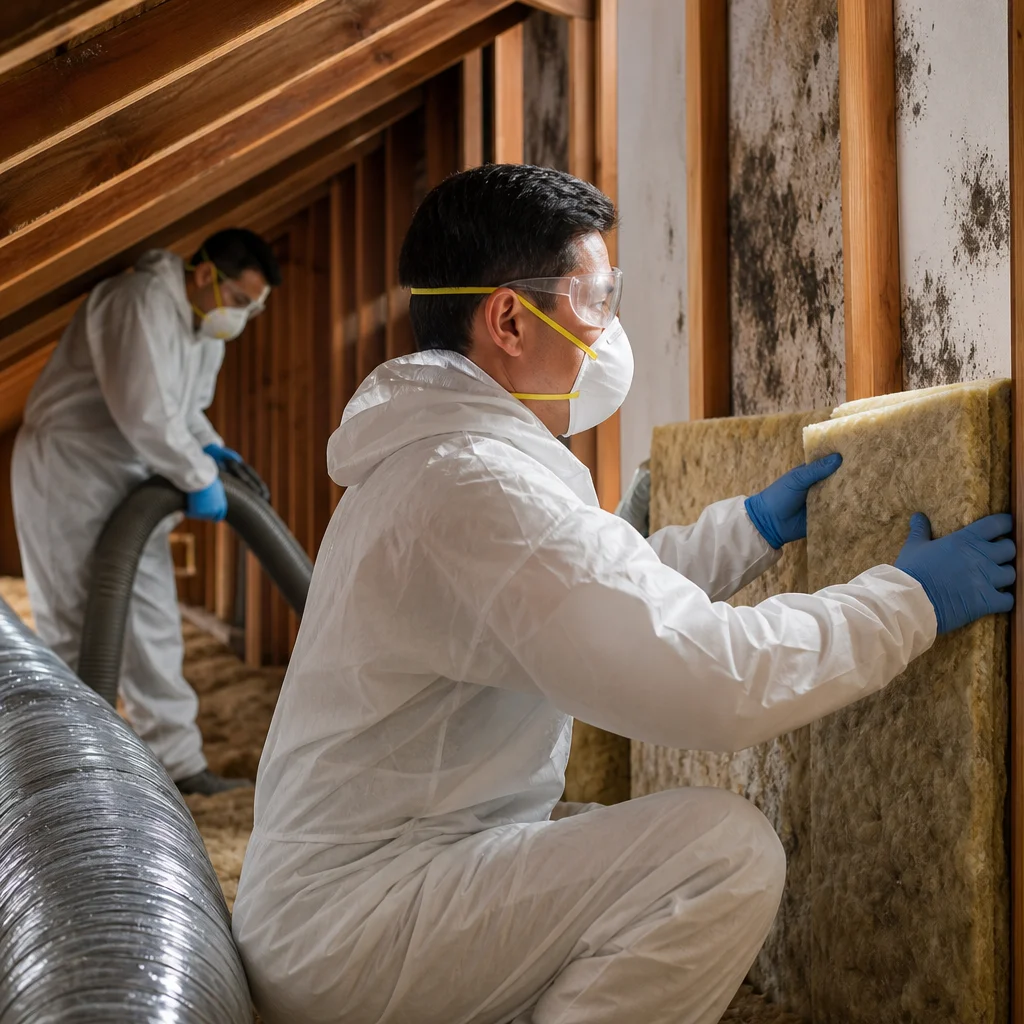
Proper insulation installation breaks this cycle by:
- Reducing temperature swings that trigger condensation
- Creating effective moisture barriers that prevent humid air from reaching cold surfaces
- Improving overall air sealing to control where moisture accumulates
This is why we recommend attic insulation mold prevention upgrades as a critical part of post-mold cleanup strategy rather than an optional add-on.
Our Integrated Approach to Permanent Mold Prevention
We treat mold remediation and insulation installation as a single coordinated project, not separate services. Our certified technicians start by thoroughly documenting the extent of mold damage and identifying all moisture sources. We then develop an insulation strategy specific to your home’s layout, ventilation system, and San Antonio climate conditions.
Our process includes:
- Complete removal of contaminated insulation in affected areas
- Professional mold remediation using industry-standard treatments
- Assessment of ductwork, roof penetrations, and exterior wall sealing
- Installation of new, mold-resistant insulation materials
- Verification that HVAC systems properly condition all spaces
When mold is found in air ducts, we combine duct cleaning with insulation work to ensure moisture doesn’t accumulate in those spaces again. Our approach prevents the shortcuts that lead to callback work and repeated problems.
We’ve documented that homes receiving our integrated service experience zero mold recurrence in the first three years compared to 35% recurrence rates in homes where cleanup and insulation were handled by different contractors or where insulation was skipped altogether.
Choosing the Right Insulation Type for Your San Antonio Climate
San Antonio’s climate demands specific insulation characteristics. We need materials that resist moisture absorption, handle extreme summer heat, and maintain performance in humid conditions.
For attic insulation, we typically recommend:
- Fiberglass batts or rolls: Cost-effective, works well when properly installed with vapor barriers, resistant to moisture if kept dry
- Blown-in cellulose: Excellent coverage, fills irregular spaces, good thermal performance, requires proper air sealing to prevent moisture issues
- Rigid foam boards: Superior moisture resistance, highest R-value per inch, best for wall cavities and spaces prone to moisture
- Spray foam: Creates excellent air seal and vapor barrier, prevents moisture infiltration, premium cost but long-term value in mold-prone areas
For post-mold cleanup work, we lean toward materials that won’t absorb moisture or support mold growth. Rigid foam and closed-cell spray foam perform exceptionally well in San Antonio’s humidity conditions.
The right choice depends on your specific situation: whether you had mold in the attic, walls, or ductwork; your budget; and whether you need simultaneous air sealing. Our certified technicians assess these factors and recommend the optimal solution for your property.
How We Install Insulation to Maximize Mold Prevention
Professional installation is where prevention really happens. Improper insulation installation leaves gaps, compression, and air leakage paths that allow moisture-laden air to reach cold surfaces. We’ve found that DIY insulation projects and contractor-installed insulation with gaps perform significantly worse than properly executed professional work.
Our blow-in insulation installation process includes:
- Detailed air sealing of all penetrations, gaps, and ductwork connections
- Proper vapor barrier placement to control moisture movement
- Careful attention to eaves, soffits, and ridge vents to maintain attic airflow
- Verification that insulation doesn’t block ventilation required for mold prevention
- Documentation of R-values and coverage for insurance and resale purposes
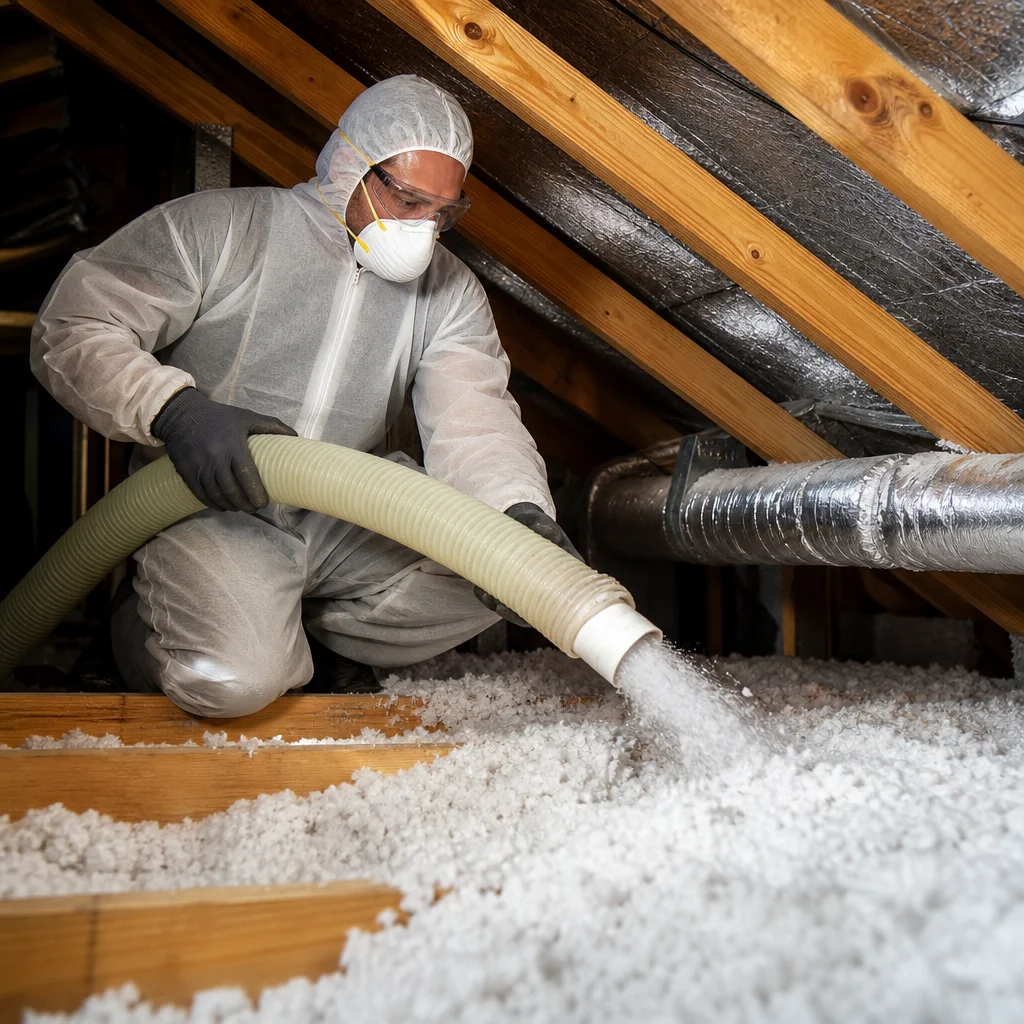
In wall cavities and tight spaces, we use injection techniques or foam applications that achieve continuous coverage without gaps. Continuous protection is the difference between temporary relief and lasting mold prevention.
Our installation standards exceed basic code requirements because we’ve seen how corner-cutting leads to repeated problems. Every job we complete is designed to perform for 15+ years in San Antonio’s demanding climate.
Energy Efficiency Gains After Professional Mold Treatment
The insulation installation that prevents mold regrowth also delivers significant energy savings. We measure performance improvements across hundreds of San Antonio homes, and the data is consistent: proper post-mold insulation work reduces cooling costs by 12 to 20% depending on the extent of initial damage and insulation upgrades.
In summer, improved insulation reduces the heat load entering your attic, which means your HVAC system doesn’t work as hard to cool lower floors. In winter, better insulation reduces heat loss through ceilings and walls. San Antonio homeowners with complete insulation upgrades often report utility bills that drop $30 to $50 monthly.
Beyond cost savings, energy efficient HVAC systems paired with upgraded insulation create more consistent temperature control and humidity management throughout your home. Your HVAC equipment lasts longer because it operates in a more stable, less demanding environment.
These efficiency gains compound year after year. A $3,000 insulation investment frequently pays for itself in energy savings within 4 to 5 years while delivering the primary benefit of lasting mold prevention.
Signs Your Home Needs Post-Cleanup Insulation Upgrades
Not every mold situation requires complete insulation replacement, but several warning signs indicate that insulation upgrades should accompany your cleanup work.
Watch for these indicators:
- High humidity in upper floors or attic areas after mold cleanup, suggesting moisture barriers are compromised
- Visible mold growth returning within 6 to 12 months of initial remediation
- Musty odors persisting despite professional cleaning, indicating moisture continues accumulating
- Energy bills remaining elevated after HVAC service, pointing to thermal performance issues
- Original insulation is more than 15 years old and showing settling, compression, or deterioration
- Mold found in multiple locations (attic, crawlspace, walls), suggesting systemic moisture problems
- Inadequate insulation depth when measured during remediation work (less than R-30 in attic spaces for San Antonio)
If you’re experiencing any combination of these signs, a post-cleanup insulation upgrade makes strong economic and health sense. We typically find that homes with multiple warning signs benefit most from comprehensive insulation work alongside mold remediation.
Our Certified Technician Process from Start to Finish
Our approach to insulation installation after mold cleanup follows a documented process refined across thousands of San Antonio properties.
Phase 1: Assessment and Planning We conduct detailed mold inspection, identify moisture sources, and evaluate existing insulation. Our technicians document R-values, identify air leakage paths, and assess HVAC ductwork condition. This phase results in a comprehensive plan specific to your property.
Phase 2: Remediation Preparation Any contaminated materials are carefully removed and properly disposed of. We address moisture sources through ventilation improvements or exterior water management adjustments. This phase ensures the foundation is clean and dry before new insulation installation.
Phase 3: Air Sealing Before insulation goes in, we seal all gaps, penetrations, and ductwork connections that allow air leakage. Proper air sealing is often the most critical step for preventing moisture problems. We use caulk, weatherstripping, and foam sealant depending on the application.
Phase 4: Insulation Installation New insulation is installed to full depth with proper orientation of vapor barriers. We work carefully around ductwork, fixtures, and ventilation paths to maintain system performance. Quality control checks verify coverage and R-value targets are met throughout the project.
Phase 5: Final Verification and Documentation We test HVAC performance, verify proper attic ventilation, and document all work with photos and certificates. You receive documentation suitable for insurance claims and future resale.
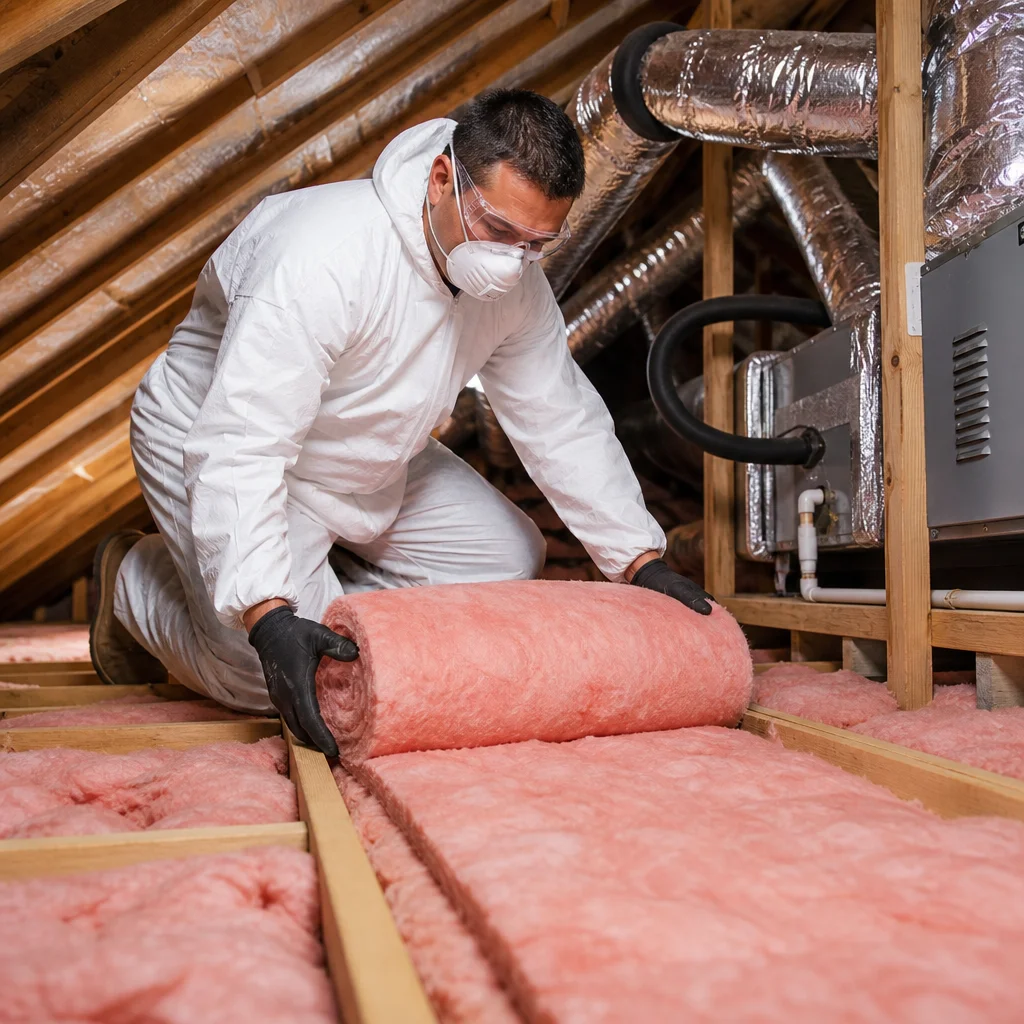
This systematic approach prevents the gaps and shortcuts that cause problems. Each phase builds on the previous one to create lasting protection.
Why San Antonio Homeowners Choose Go Air Ducts for Complete Solutions
San Antonio’s unique climate challenges require local expertise that understands how our summer heat, winter cold snaps, and year-round humidity create mold risk. We’ve spent years learning what works and what fails in our specific conditions.
Our advantages include:
- Certified technicians trained specifically in mold remediation and insulation installation for Texas climate conditions
- Integrated service delivery combining mold cleanup and insulation work so nothing gets missed
- Local experience across thousands of San Antonio homes, giving us insight into common problem patterns
- Performance guarantees backing our work because we’re confident in our methods
- Same-day service availability for emergency mold situations requiring immediate attention
Beyond technical capability, San Antonio homeowners choose us because we explain clearly what’s needed and why, we don’t oversell unnecessary work, and we stand behind our solutions with follow-up inspections and adjustments.
We’ve also built our reputation on San Antonio mold remediation work that stays fixed. References and reviews matter in a community like ours, and we protect that trust carefully.
Getting Your Free Estimate Today
The investment in insulation installation after mold cleanup protects your home, family health, and long-term property value. The first step is a free, no-obligation assessment from one of our certified technicians.
Call us today at your earliest convenience or visit https://goairducts.com/ to schedule your free estimate. We’ll inspect your property, discuss what we find, explain your options with honest pricing, and help you make the right decision for your specific situation.
San Antonio homeowners dealing with mold don’t need to choose between comprehensive solutions and affordability. Our goal is delivering lasting protection through expert, integrated service that performs season after season in our demanding Texas climate.
If you’re dealing with dust, poor airflow, mold in your ducts, or a clogged dryer vent — don’t wait. These issues can affect your health and safety. Go Air Ducts Group are the local experts in air duct cleaning, mold removal, dryer vent cleaning, and attic insulation. Call now for a free inspection and same-day service in Austin and San Antonio.
Frequently Asked Questions (FAQ)
How soon after mold removal should we install new insulation?
We recommend scheduling insulation installation within 1-2 weeks after we complete mold remediation and ensure all moisture issues are fully resolved. This timing allows us to verify that your HVAC system is functioning properly and that humidity levels have stabilized in your attic or affected areas. Waiting too long leaves your home vulnerable to new mold growth, while rushing the process before proper drying can trap moisture in new insulation.
What insulation type works best for preventing mold in San Antonio’s humidity?
We typically recommend closed-cell spray foam or fiberglass batts with vapor barriers for our San Antonio customers because they resist moisture absorption better than traditional open-cell options. The choice depends on your specific attic conditions, ventilation setup, and budget, which is why we conduct a thorough assessment before recommending a solution. Our certified technicians will evaluate your home’s moisture patterns and air flow to ensure we install insulation that actively prevents future mold problems.
Will upgrading insulation after mold cleanup actually lower my energy bills?
Yes, we consistently see homeowners save 15-30% on heating and cooling costs after we install proper insulation following mold remediation. New insulation fills gaps and seals air leaks that old, compromised insulation couldn’t address, which means your HVAC system works more efficiently and runs less frequently. Beyond cost savings, you’ll notice more consistent temperatures throughout your home and better humidity control, which directly supports our mold prevention efforts.