
🕑 10 min read
How do you prepare a home for insulation installation?
Preparation includes clearing the attic, sealing air leaks and gaps, checking for moisture or wiring issues, and confirming the right R-value. Good prep ensures top performance. Go Air Ducts guides Texas homeowners through pre-installation steps and installs insulation professionally for maximum energy savings and comfort.
Table of Contents
- Why Proper Preparation Matters More Than You Think
- Common Problems We Find During Pre-Installation Inspections
- How Our Preparation Process Protects Your Investment
- Air Duct Sealing and Inspection Before Installation
- Moisture and Mold Assessment in Your Attic Space
- Identifying and Fixing Existing Ventilation Issues
- Removing Obstacles and Clearing Installation Areas
- Our Free Pre-Installation Estimate and Assessment
- Why Texas Homes Need Specialized Preparation
- Next Steps: Schedule Your Installation Preparation Today
- Frequently Asked Questions (FAQ)
Why Proper Preparation Matters More Than You Think
When we schedule insulation installation at a home in Austin or San Antonio, we know that the work done before the installers arrive often matters more than the installation day itself. Proper preparation prevents costly mistakes, protects your investment, and ensures your new insulation performs at its best. We’ve spent years helping Texas homeowners prepare their homes, and we’ve learned that skipping or rushing this phase leads to wasted energy dollars and premature system failures.
This guide covers everything we do to prepare your home for insulation installation, why each step matters, and how our process saves you money and headaches down the road.
Installing new insulation into an unprepared space is like building a high-performance car on a damaged foundation. The insulation itself may be excellent, but it can’t overcome pre-existing problems in your attic or walls.
Here’s what we see happen when homeowners skip preparation: new insulation gets compressed by debris, moisture seeps in from unrepaired roof leaks, mold spores settle into the new material, and air leaks around ductwork continue pulling conditioned air into unconditioned spaces. Within two to three years, energy efficiency drops noticeably, and the homeowner wonders why their new insulation didn’t deliver the promised savings.
We approach every project differently. Before a single roll of insulation goes down, we address the underlying conditions that affect long-term performance. This includes sealing air leaks, assessing moisture risk, checking ventilation, and removing obstacles. The upfront investment in preparation pays for itself in energy savings within the first heating or cooling season.
Actionable step: Request a free pre-installation assessment from our team. We’ll identify preparation needs specific to your home’s current condition.
Common Problems We Find During Pre-Installation Inspections
Walking through hundreds of attics each year gives us a clear picture of what typically needs fixing before insulation installation begins.
Air leaks around ductwork are the most common issue. Most Texas homes have HVAC ducts running through the attic, and these ducts often have gaps, disconnections, or poor sealing. We’ve measured air loss of 20-30% in some homes simply because of leaky ducts pulling conditioned air into the unconditioned attic space. New insulation won’t fix this; you need air duct sealing before insulation goes in.
Moisture trapped in insulation or framing is the second major problem. Attics with poor ventilation, roof leaks, or plumbing vent issues develop moisture that supports mold growth. When new insulation is installed over wet materials, it traps moisture and accelerates mold development. We assess moisture levels and address ventilation before any new insulation is added.
Visible mold on existing materials, rafters, or ductwork stops every project until remediation is complete. Texas humidity, especially in Austin and San Antonio, creates ideal mold conditions. We check attic insulation mold prevention strategies during every inspection.
Blocked or undersized vents prevent air circulation, trapping heat and moisture in the attic. Bathroom exhaust fans, dryer vents, and ridge vents sometimes get blocked by stored items, debris, or poor original installation. We clear and verify proper airflow before installation.
Obstructions like stored boxes, equipment, or personal items that need removal before our crews can work safely and efficiently.
Each of these issues requires a specific fix before insulation installation can proceed safely and effectively.
How Our Preparation Process Protects Your Investment
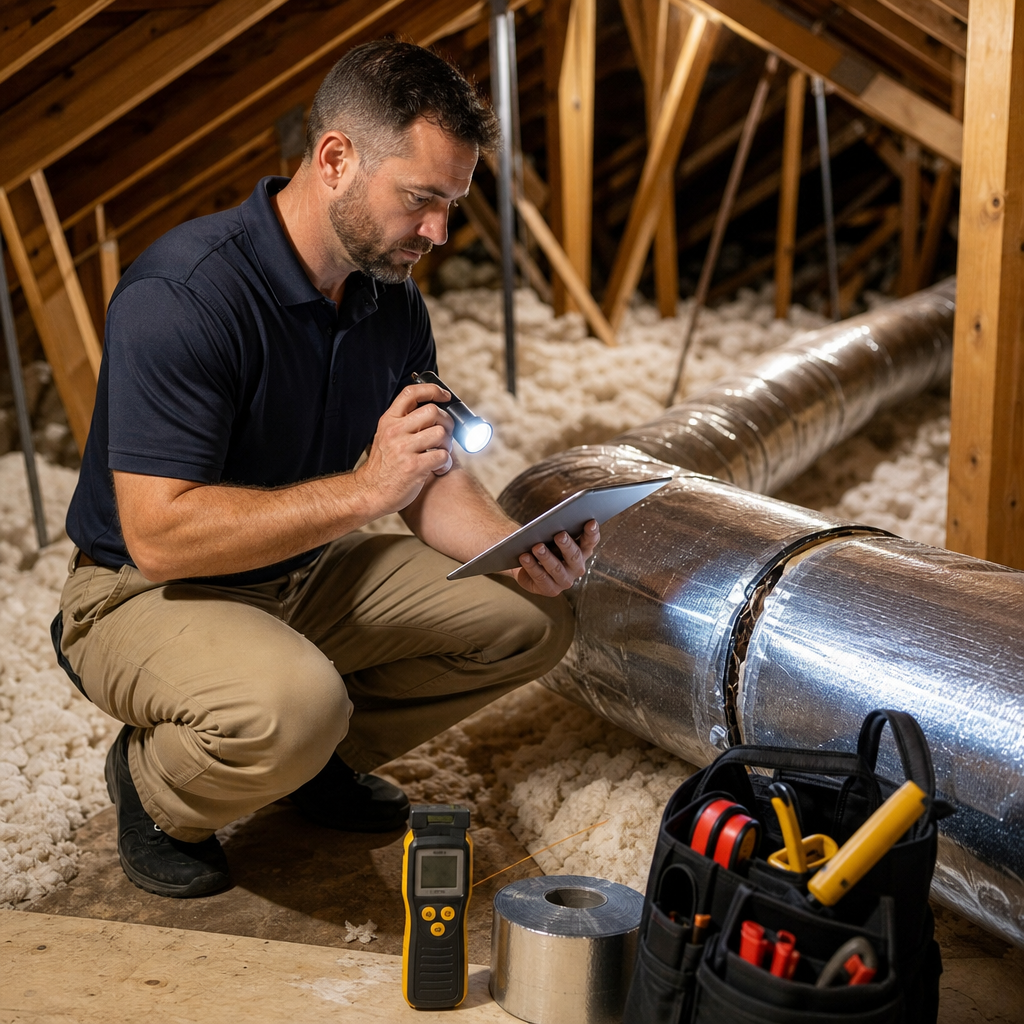
Our preparation process follows a documented sequence that we’ve refined over thousands of installations across Texas.
We start with a comprehensive attic inspection using visual assessment and moisture testing. Our technicians document conditions, take photos, and create a detailed report listing every issue that needs attention. This becomes your preparation plan.
Next, we address critical issues in order: roof leaks get repaired, mold in air ducts gets treated, air leaks get sealed, and ventilation gets restored. We verify each repair meets building code and won’t compromise your new insulation’s performance.
Finally, we clear the installation area, remove old damaged insulation if needed, and confirm the attic is ready for your new system. This three-phase approach takes more time upfront but eliminates surprise problems during or after installation.
The payoff: homes we fully prepare stay energy-efficient, remain mold-free, and deliver consistent comfort for 15-20 years. Homes skipped preparation often show problems within 2-3 years.
Air Duct Sealing and Inspection Before Installation
Your HVAC system’s ductwork is either your home’s best asset or its biggest energy drain, depending on its condition.
Most ductwork in Texas attics runs unsealed or poorly sealed. Flex ducts develop holes and disconnections. Metal ducts rust through or pull apart at joints. The result: air conditioned in summer or heated in winter escapes into the attic instead of reaching your rooms.
Before insulation installation, we perform a complete air duct inspection process that includes:
- Visual inspection of every duct section for holes, disconnections, or damage
- Pressure testing to quantify air loss
- Sealing all leaks with mastic sealant or metallic tape (never standard duct tape, which fails in attic heat)
- Insulating any exposed ducts to prevent condensation
- Verifying proper airflow to each room
Sealing your ducts before insulation installation is critical because new insulation will cover everything, making future duct repairs expensive and difficult. We get the ductwork right first, then install insulation over it.
The energy savings are measurable. Homeowners typically see 15-25% improvement in cooling efficiency when ducts are sealed before insulation is added, since no conditioned air is wasted in the attic anymore.
Moisture and Mold Assessment in Your Attic Space
Texas humidity makes moisture and mold management non-negotiable for successful insulation installation.
We use moisture meters and thermal imaging to assess conditions in your attic. Readings above 16% moisture content indicate a problem. We look for visible mold on framing, ducts, or existing insulation. We check for water staining that indicates past or present roof leaks.
Our assessment answers three key questions:
- Where is moisture coming from? (roof leak, bathroom exhaust, plumbing vent, poor ventilation)
- How much existing mold is present? (scope and severity determine treatment method)
- Will new insulation worsen conditions? (trapped moisture accelerates mold growth)
If we find active moisture or mold, we halt installation planning until remediation is complete. This might involve repairing a roof leak, installing additional ventilation, or treating affected materials. The attic insulation mold prevention benefits guide covers long-term strategies we recommend.
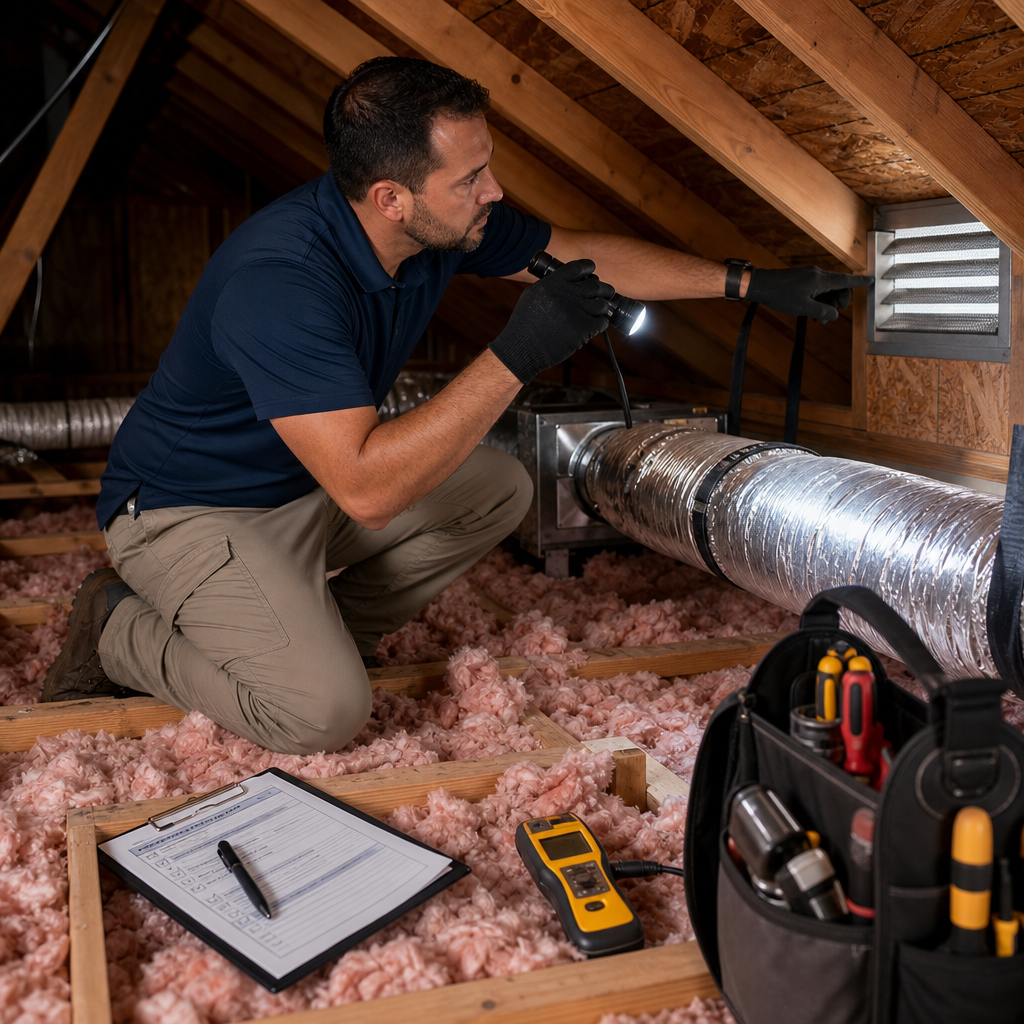
Once moisture is controlled and mold remediated, new insulation can be installed safely. Your new system will perform as intended and won’t become a mold incubator.
Identifying and Fixing Existing Ventilation Issues
Proper attic ventilation is the foundation of moisture control and long insulation life.
Your attic needs both intake ventilation (usually soffit vents) and exhaust ventilation (ridge vents or gable vents) to allow air to flow through continuously. This airflow carries moisture out of the attic, preventing buildup.
During preparation, we check:
- Soffit vents for blockage or improper installation
- Ridge vents for damage, rust, or blockage
- Gable vents for proper operation
- Bathroom and kitchen exhaust vents to confirm they vent outside (not into the attic)
- Dryer vents for blockage or disconnection
We’ve found bathroom exhaust fans venting directly into attics in some homes, creating massive moisture problems. Dryer vents blocked by lint and debris reduce ventilation while creating fire hazards. These issues get fixed before new insulation is installed.
If your home has inadequate ventilation, we may recommend additional ridge vents or soffit vents. The investment is small compared to the damage caused by moisture-saturated insulation.
Removing Obstacles and Clearing Installation Areas
Your attic needs to be clear, safe, and accessible for our installation crew.
We identify and discuss removal or relocation of stored boxes, holiday decorations, and equipment taking up attic space. Some items can stay if positioned out of the installation area; others need to be moved. This conversation happens during the estimate phase so you can plan accordingly.
We also verify safe access through attic openings, check for electrical hazards or wiring that needs protection, and confirm the space meets safety requirements for our crew.
A cleared attic also means faster installation and fewer delays on the day of the work.
Our Free Pre-Installation Estimate and Assessment
We provide a free, no-obligation pre-installation estimate for every Texas homeowner considering insulation installation.
Our technician will spend 45-60 minutes in your attic taking measurements, testing conditions, and documenting any preparation work needed. You’ll receive a detailed written estimate that itemizes:
- Current insulation levels and condition
- Air sealing and duct work recommended
- Moisture or mold issues requiring attention
- Ventilation upgrades needed
- Recommended insulation type, R-value, and coverage area
- Total cost for preparation and installation
- Timeline for completion
We also discuss available attic insulation rebates for 2026, which often offset a significant portion of your investment.
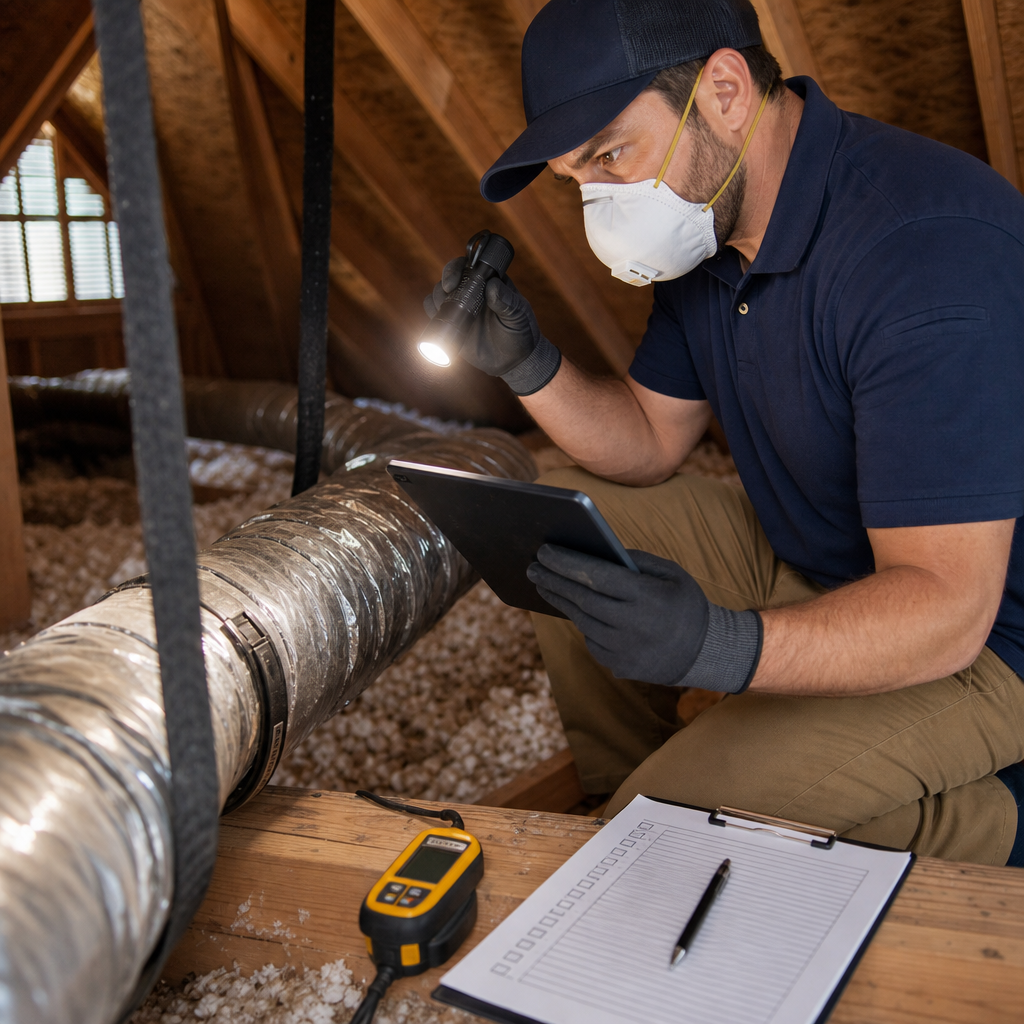
The estimate is yours to keep and compare with other quotes. Many homeowners use our assessment as a baseline to understand what preparation their home actually needs, even if they choose another contractor.
Why Texas Homes Need Specialized Preparation
Texas weather and home construction create unique challenges that don’t apply everywhere else.
Our climate cycles between intense heat and occasional cold, with high humidity year-round. This constant temperature and moisture variation stresses attic systems. Roofing materials, framing, and insulation all experience accelerated aging. Mold thrives in Texas attics more readily than in drier climates.
Many Texas homes were built with standard ventilation that’s barely adequate by today’s efficiency standards. HVAC systems designed 20-30 years ago weren’t optimized for sealed ductwork and high-performance insulation. As a result, homes need targeted upgrades during preparation that other regions might skip.
Our local expertise means we understand which problems are most critical in your specific area. Austin homes often have different moisture patterns than San Antonio homes. Newer construction in some neighborhoods has different ductwork layouts than homes built in the 1980s and 1990s. We tailor preparation recommendations based on local conditions and your home’s age and construction type.
Next Steps: Schedule Your Installation Preparation Today
If you’re ready to improve your home’s energy efficiency and comfort with insulation installation, we’re here to guide you through proper preparation.
Contact Go Air Ducts today to schedule your free pre-installation assessment. Call us for same-day or next-day availability in Austin or San Antonio. Our team will inspect your attic, identify preparation work, provide a detailed estimate, and answer every question you have.
Proper preparation protects your investment. Let’s get your home ready for success.
If you’re dealing with dust, poor airflow, mold in your ducts, or a clogged dryer vent — don’t wait. These issues can affect your health and safety. Go Air Ducts Group are the local experts in air duct cleaning, mold removal, dryer vent cleaning, and attic insulation. Call now for a free inspection and same-day service in Austin and San Antonio.
Frequently Asked Questions (FAQ)
What does your insulation installation preparation process include?
We start with a comprehensive pre-installation inspection where our certified technicians assess your attic space for moisture, mold, air leaks, and ventilation issues. Our team seals air ducts, addresses any existing problems, and clears obstacles before installation begins. This thorough approach ensures your new insulation performs at its peak and protects your investment for years to come.
Why is preparation so critical before insulation installation in Texas homes?
Texas humidity and temperature swings create unique challenges that many homeowners overlook. We’ve found that homes skipping proper preparation often experience reduced insulation effectiveness, moisture buildup, and mold growth within months. By addressing ventilation, sealing gaps, and assessing moisture beforehand, we help you avoid costly issues and maximize your energy savings.
How much does your pre-installation assessment cost?
We provide a completely free pre-installation estimate and inspection for all our customers in Austin, San Antonio, Dallas, and Houston. Our technician will walk through your space, identify any concerns, and give you a clear plan before you commit to anything. There’s no obligation, and this assessment alone often saves homeowners thousands by catching problems early.