Why This Matters for Austin Homeowners
In Central Texas, the HVAC system is often the single largest consumer of electricity in a household. According to the U.S. Department of Energy, dirty coils can increase a system’s energy consumption by up to 30%. Furthermore, a dirty blower motor can lead to poor “static pressure,” which means the rooms furthest from the unit will never get enough cool air.
By investing in a deep clean, this homeowner didn’t just fix a cooling problem; they protected their investment. The average lifespan of an HVAC unit in Austin can be shortened by several years if it is forced to operate under the stress of restricted airflow.
The Process: Reinstallation and Performance Testing
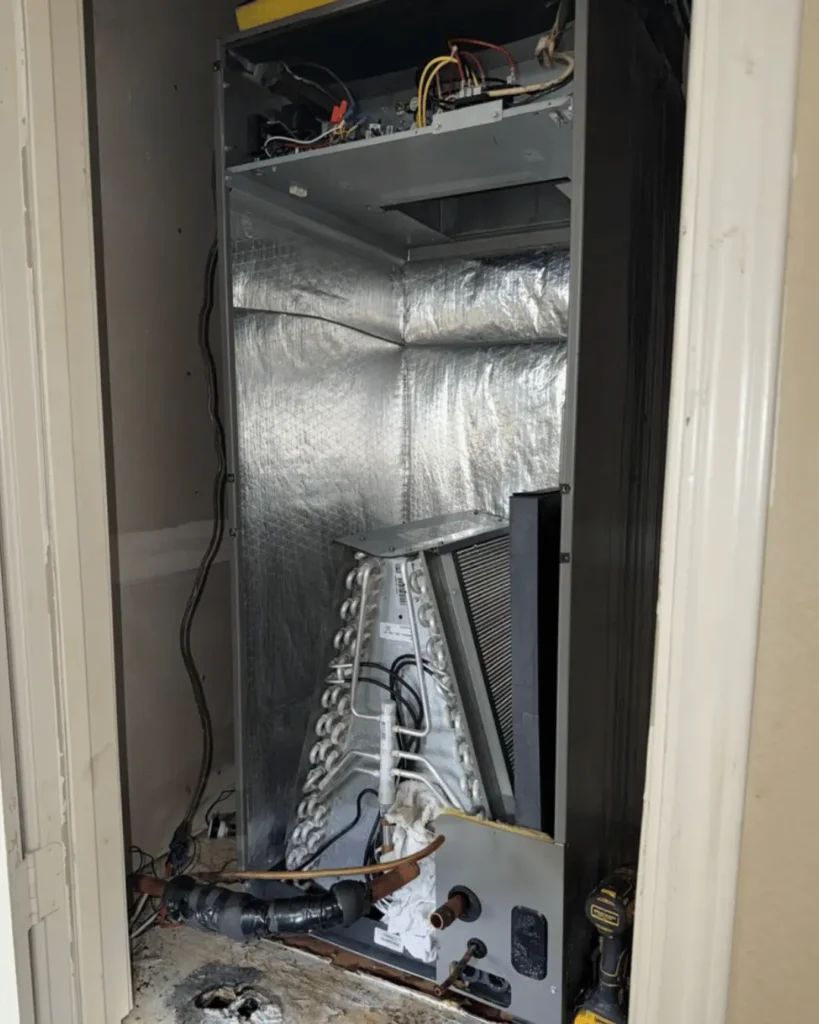
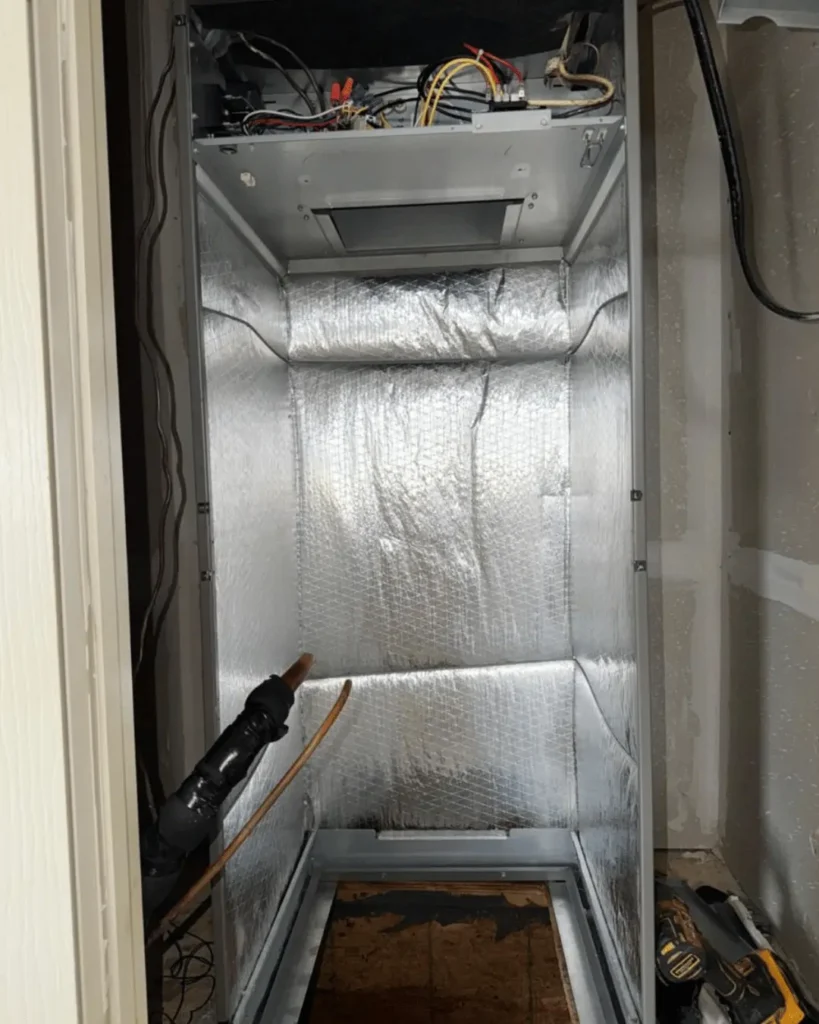
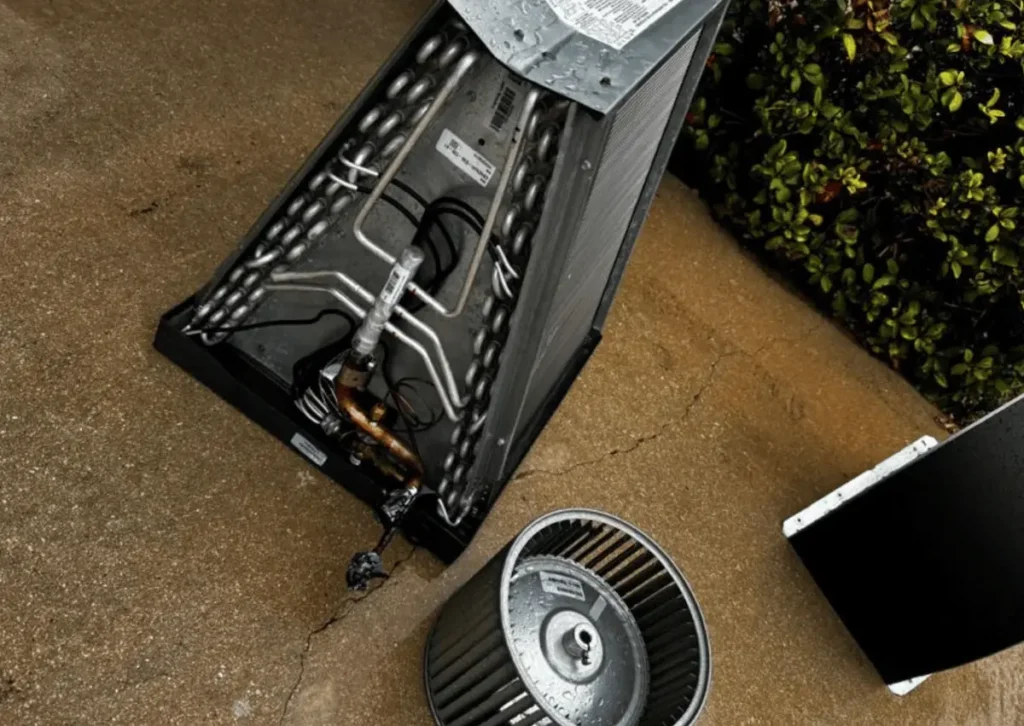
After the components were meticulously cleaned and dried, the Go Air Ducts team reinstalled the blower and coil back into the system. This stage requires precision to ensure all seals are airtight and electrical connections are secure.
Once the system was powered back on, we performed a Post-Cleaning Performance Test. The results were remarkable:
- Airflow Velocity: Increased by nearly 35% at the supply registers.
- Temperature Split: The difference between the return air and the supply air reached the ideal 18-20 degree range.
- Noise Reduction: The blower motor operated much more quietly once the weight of the debris was removed from the fan blades.
- Odor Elimination: The “musty” smell associated with dirty coils was completely gone.
Long-Term Benefits of Deep Component Cleaning
While regular air duct cleaning is essential, the blower and coil are the components that do the “heavy lifting.” For homes in Austin, TX, where the AC runs for nearly nine months of the year, these parts require professional attention.
Highlighting the Key Advantages:
- Lower Energy Bills: The system cycles less frequently to reach the thermostat’s set point.
- Extended Equipment Life: Less wear and tear on the compressor and motor.
- Improved Indoor Air Quality: Removing the buildup at the source ensures that the air being pushed into your home is clean.
- Consistent Comfort: Eliminates “hot spots” in different areas of the house.
To maintain these results, we recommend that homeowners in the Austin area replace their filters every 30 to 90 days and consider a professional air duct cleaning every few years to prevent dust from reaching these critical internal components again.
Get Your HVAC System Performing Like New Again
If your air conditioner is struggling to keep up with the Texas heat or your energy bills are higher than they should be, the solution is likely hidden inside your air handler. At Go Air Ducts, our expert technicians specialize in the deep cleaning of blowers and coils, ensuring your system operates at peak efficiency. We take the time to do the job right, removing, cleaning, and testing every component so you can enjoy lower costs and cleaner air. Don’t wait for a total system failure; contact us today to schedule your professional HVAC deep clean in Austin and experience the difference that expert maintenance can make for your home’s comfort and your peace of mind.