
🕑 6 min read
When do air ducts need immediate professional cleaning?
Your air ducts need immediate professional cleaning if you observe visible mold or dark spots on supply vents, clouds of dust or pet hair blowing out when the blower fan cycles on, persistent musty or earthy odors, evidence of pest infestation inside duct lines, or unexplained spikes in indoor allergy symptoms. These red flags indicate that contaminants have surpassed normal accumulation levels and require specialized negative-pressure containment and mechanical cleaning.
Table of Contents
- Key Takeaways
- Critical Warning Signs Requiring Immediate Action
- Primary Causes vs. Immediate Solutions
- DIY Visual Checks vs. Professional Deep Cleaning
- Restore Clean Air to Your Home
- Frequently Asked Questions





Most homeowners rarely think about what accumulates inside their HVAC system until forced-air heating or cooling begins to spread dust, allergens, or stale odors across the house. While routine duct maintenance is typically performed on an interval basis, severe contamination requires prompt intervention.
Recognizing the urgent warning signs that your ductwork is compromised prevents persistent indoor air pollution, reduces system wear, and eliminates underlying health hazards before they spread through your home.
Key Takeaways
- Visible Contamination: Mold growth, dark soot, and visible dust plumes emerging from registers signal urgent contamination that routine filter changes cannot fix.
- Health and Comfort: Indoor air quality directly impacts health; sudden increases in sneezing, coughing, or eye irritation while at home often stem from dirty air return lines.
- Pest Hazards: Rodents and insects nesting in ductwork introduce biological hazards, droppings, and severe blockages that demand immediate sanitization.
- System Efficiency: Heavy debris restriction strains air handlers, driving up utility bills and accelerating mechanical wear on heating and cooling equipment.
Critical Warning Signs Requiring Immediate Action
While minor surface dust on register covers is normal, specific symptoms indicate that your air distribution network requires immediate professional service.
Visible Mold Growth or Dark Spores Around Vents
In humid environments or homes experiencing HVAC condensation issues, moisture can gather inside ductwork. If you notice fuzzy, green, gray, or black spots forming along vent covers, ceiling boots, or inside the duct opening, mold spores are likely actively colonizing the system.
Attempting to wipe mold off exterior vents only addresses the surface. Spores lodged deep within supply trunks require targeted containment and remediation to prevent continuous distribution across living areas.
Visible Dust Plumes or Debris Blowing From Vents
When your air conditioner or furnace cycles on, inspect your supply registers. If you see visible puffs of dust, pet hair, or particulate debris emerging into the room, the internal accumulation has reached a point where the airflow is actively dislodging settled material.
Persistent Musty, Earthy, or Burning Odors
An unpleasant smell that intensifies whenever the HVAC fan turns on is a clear indicator of internal system contamination:
- Musty or Damp Odors: Point to active microbial growth, stagnant moisture, or wet insulation within the duct lining.
- Dusty or Burning Smells: Indicate thick layers of organic debris sitting on or near the furnace heating elements or cooling coils.
- Foul Decay Smells: Suggest a dead pest or animal nesting materials trapped within the duct runs.
Evidence of Pest or Rodent Infestation
Rodents, birds, and insects frequently seek shelter inside warm, unsealed ductwork—especially in attic or crawlspace runs. Clear signs of pest intrusion include:
- Scritching or rustling noises inside walls or ceilings when the system is running.
- Rodent droppings or nesting materials visible inside supply or return vents.
- Unexplained foul odors emanating directly from air registers.
Pests chew through flexible duct liners, ruin insulation, and leave behind biohazards that contaminate your entire home’s air supply.
Sudden Spike in Indoor Allergy or Asthma Symptoms
If family members experience worsening respiratory symptoms—such as coughing fits, unexplained congestion, itchy eyes, or asthma flare-ups—that improve when leaving the house, recirculating indoor allergens are often the primary driver. Dirty ducts harbor concentrated dust mites, pet dander, pollen, and fungal spores.
Primary Causes vs. Immediate Solutions
| Warning Symptom | Primary Underlying Cause | Recommended Action |
|---|---|---|
| Visible Mold on Registers | High humidity or condensation in supply boots | Schedule immediate air ducts cleaning and mold sanitization |
| Dust Clouds From Vents | Extreme dust buildup or unsealed return lines | Perform a professional air ducts inspection |
| Pest Nesting / Droppings | Damaged flex ducts or open exterior gaps | Exterminate pests, perform air duct repair, and sanitize |
| Musty HVAC Odors | Fungal growth or accumulated organic debris | Clean system, inspect coils, and schedule duct leak testing |
| Weak Airflow Across Rooms | Heavy internal debris clogging main trunks | Deep clean ductwork and evaluate duct sealing |
DIY Visual Checks vs. Professional Deep Cleaning
Homeowners can easily identify warning signs, but eliminating deep system contamination requires specialized commercial-grade equipment.
| Inspection & Service Area | Safe Homeowner Task | Professional HVAC Service |
|---|---|---|
| Register Covers & Boots | Remove and wash supply grilles with mild soap | Deep clean and sanitize internal boot transitions |
| Filter Housing | Replace HVAC air filters every 30–90 days | Inspect filter rack seals and check for air bypass |
| Internal Duct Trunks | Flashlight check inside accessible vent boots | Camera video inspection and negative-pressure vacuuming |
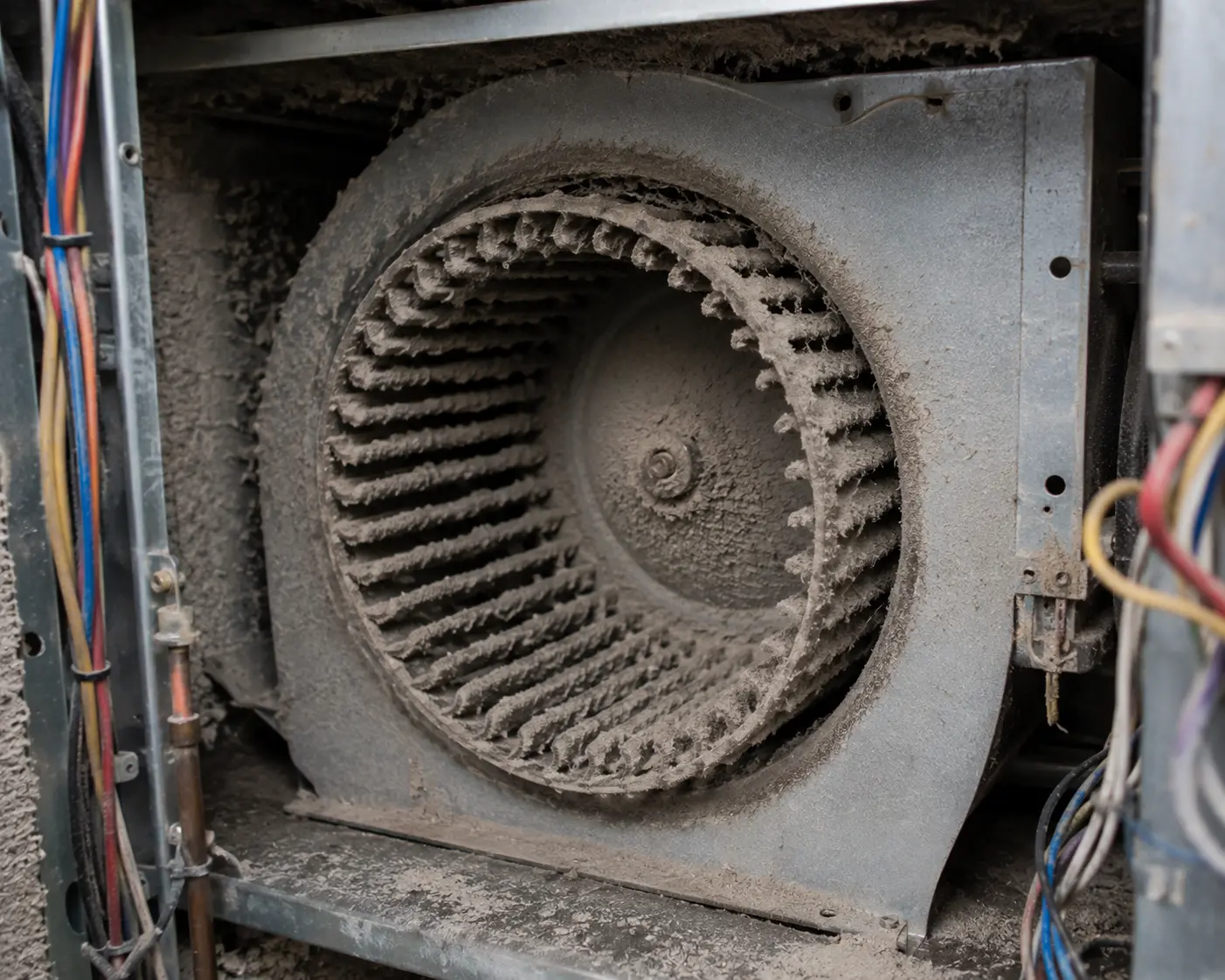
| Blower & Coil Assemblies | Keep area surrounding air handler clear | Clean air handler blower wheel and evaporator coils |
Restore Clean Air to Your Home
If you notice mold, dust blowouts, foul odors, or signs of pests in your vent system, addressing the problem quickly protects your family’s health and maintains your HVAC system’s efficiency.
The certified technicians at Go Air Ducts provide expert air duct cleaning, thorough air duct inspection, duct leak testing, and professional duct sealing across Austin, San Antonio, and surrounding Texas communities.
Contact us today to schedule a professional duct inspection and keep your indoor air safe and fresh.
Frequently Asked Questions
Can dirty air ducts make you sick?
Yes. Recirculating high concentrations of dust mites, mold spores, pet dander, and rodent droppings can aggravate respiratory conditions, trigger severe allergy attacks, and cause sinus congestion, headaches, or throat irritation.
How do professionals clean contaminated air ducts?
Certified technicians use high-powered negative pressure vacuum collectors combined with rotary brushes or air whips. This equipment agitates and dislodges settled debris from duct walls while pulling all contaminants out of the home into a sealed containment unit.
Will changing my air filter fix dirty air ducts?
No. While changing filters regularly prevents new dust from entering the system, a fresh filter cannot remove heavy debris, mold, or pest contamination that has already settled inside the supply and return lines.
How often should air ducts be inspected?
Homeowners should visually check register covers every few months during routine cleaning and schedule a professional inspection every 3 to 5 years—or immediately if any severe warning signs like mold, pests, or foul odors appear.
How long does a professional air duct cleaning take?
A comprehensive deep cleaning for a standard single-family home typically takes 3 to 5 hours, depending on system size, duct accessibility, and the extent of contamination.