
🕑 10 min read
How often should AC coils be cleaned to prevent mold?
Cleaning AC coils about once a year, before peak cooling season, prevents the moisture and debris buildup that lets mold grow and improves air quality. Go Air Ducts sets up AC coil cleaning schedules for Texas homes that keep systems efficient, mold-free, and delivering cleaner, healthier air.
Table of Contents
- 1. Why AC Coil Cleaning Frequency Matters for Your Home
- 2. Annual AC Coil Cleaning for Standard Texas Climates
- 3. Bi-Annual Cleaning for High Humidity and Mold-Prone Areas
- 4. Monthly Inspection Schedules During Peak Usage Seasons
- 5. Post-Storm and Seasonal Deep Cleaning Requirements
- 6. Signs Your AC Coils Need Immediate Professional Cleaning
- 7. How Our Professional Cleaning Prevents Mold Growth Better Than DIY Methods
- Frequently Asked Questions (FAQ)
1. Why AC Coil Cleaning Frequency Matters for Your Home
Your AC coils work harder in Texas than almost anywhere else in the country. From the hot, humid summers in Houston to the mild winters in Austin, our HVAC systems run year-round, collecting dust, moisture, and debris that create the perfect breeding ground for mold. Without a proper cleaning schedule, those coils become a hidden source of poor air quality, higher energy bills, and potential health concerns for your family.
We’ve spent years helping homeowners across Dallas, Houston, Austin, and San Antonio recover indoor air quality through strategic AC coil cleaning. What we’ve learned is simple: cleaning frequency matters far more than most people realize. The right schedule prevents mold before it takes hold, keeps your system running efficiently, and protects your investment.
AC coils are where cold refrigerant cools your home’s air. Moisture naturally condenses on these coils, creating a damp environment. Add in dust and pollen from outdoor air, and you’ve got a setup where mold and mildew thrive within weeks if left unchecked.
Here’s what happens without a cleaning schedule: mold spores multiply on your evaporator coils, then get circulated through your ductwork every time the system runs. This directly impacts your indoor air quality, especially for anyone with allergies, asthma, or respiratory sensitivity. Beyond health, dirty coils reduce cooling efficiency, forcing your AC to work harder and raising energy costs by 10-20%.
Texas humidity makes this worse. Coastal areas near Houston and high-humidity zones in San Antonio create conditions where mold growth accelerates. Even Austin’s drier climate sees coil buildup during peak cooling months.
The takeaway: AC coil cleaning isn’t optional maintenance. It’s the foundation of good indoor air quality and efficient HVAC performance. Start by determining your baseline cleaning frequency based on your climate zone and usage patterns.
2. Annual AC Coil Cleaning for Standard Texas Climates
For homeowners in drier Texas areas like parts of Austin with typical dust levels and average humidity, annual cleaning is the baseline. We recommend scheduling this before peak summer season, around April or May.
Annual cleaning works well when your home has:
- Standard dust levels (not near construction or high-traffic roads)
- Moderate humidity (40-60% indoors)
- A functional HVAC filter changed every 1-3 months
- No pets shedding heavily
During annual cleaning, our technicians apply specialized coil cleaner that breaks down buildup and mold spores, then flush the system to clear debris. This takes 2-3 hours and prevents the coil from declining to a point where efficiency drops noticeably.
One Austin homeowner in a mid-range home found that annual cleaning reduced his summer energy bills by about 15% after three years of neglect. His coils had collected so much dust that his AC was cycling constantly. One professional cleaning brought efficiency back up.
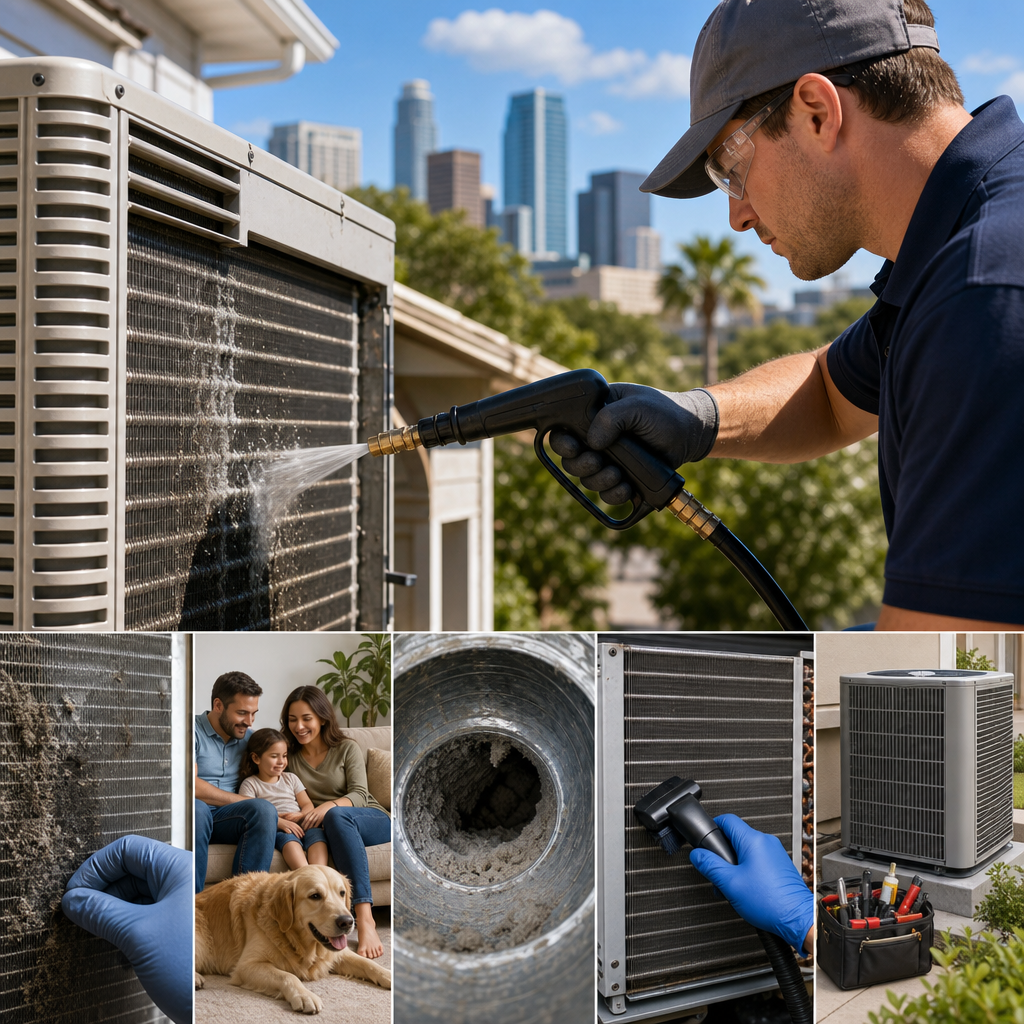
Schedule your annual cleaning between April and May, before peak usage season hits. Document the service date so you don’t lose track. If you notice poor airflow or higher bills mid-season, don’t wait for your next scheduled appointment.
3. Bi-Annual Cleaning for High Humidity and Mold-Prone Areas
If you live near the Gulf Coast, in Houston, or other high-humidity zones of Texas, annual cleaning isn’t enough. We recommend bi-annual cleaning: once in spring (April-May) and again in fall (September-October).
High humidity accelerates mold growth on coils. Coastal air carries moisture and salt particles that accumulate faster. Areas with significant tree coverage see more pollen buildup. Homes with pet hair or smokers also benefit from twice-yearly service.
Bi-annual schedules prevent mold from reaching levels where it becomes visible in your ducts or causes musty odors in your home. Many Houston homeowners we work with do spring and fall cleanings as routine maintenance, the same way they maintain their yards.
A San Antonio family in a humid neighborhood noticed musty smells in their AC vents during July. They’d been doing annual cleaning, but their humidity levels stayed above 65% most of the year. We moved them to bi-annual cleaning, and the smell disappeared completely within two cycles.
If your home stays above 60% humidity indoors consistently, or you live in a humid region, add a fall cleaning to your schedule. This is especially important if you notice any musty or moldy odors between annual services. The extra investment prevents larger, costlier problems down the road.
4. Monthly Inspection Schedules During Peak Usage Seasons
Monthly inspections during peak heating and cooling seasons (June-August and December-February) give you early warning of buildup before it becomes a problem. Inspections aren’t deep cleanings; they’re visual checks to assess coil condition and system airflow.
During a monthly inspection, we:
- Check coil surface for visible mold or excessive dust
- Measure airflow to confirm efficiency
- Inspect condensate drainage
- Review filter condition
These 30-minute checks cost far less than full cleanings but catch issues early. If an inspection reveals heavy buildup, we can schedule a deep cleaning immediately rather than waiting for your annual service.
Peak season usage strains your system. During these months, your AC or heater runs constantly, pulling more air through the coils and accelerating dust accumulation. A homeowner in Dallas running their AC 8+ hours daily will see faster buildup than someone using it 3 hours daily.
If you fall into the heavy-usage category, add monthly inspections during peak months. You’ll know exactly when a full cleaning is needed instead of guessing. Many of our year-round maintenance members skip the guesswork and book inspections automatically each month during peak season.
5. Post-Storm and Seasonal Deep Cleaning Requirements
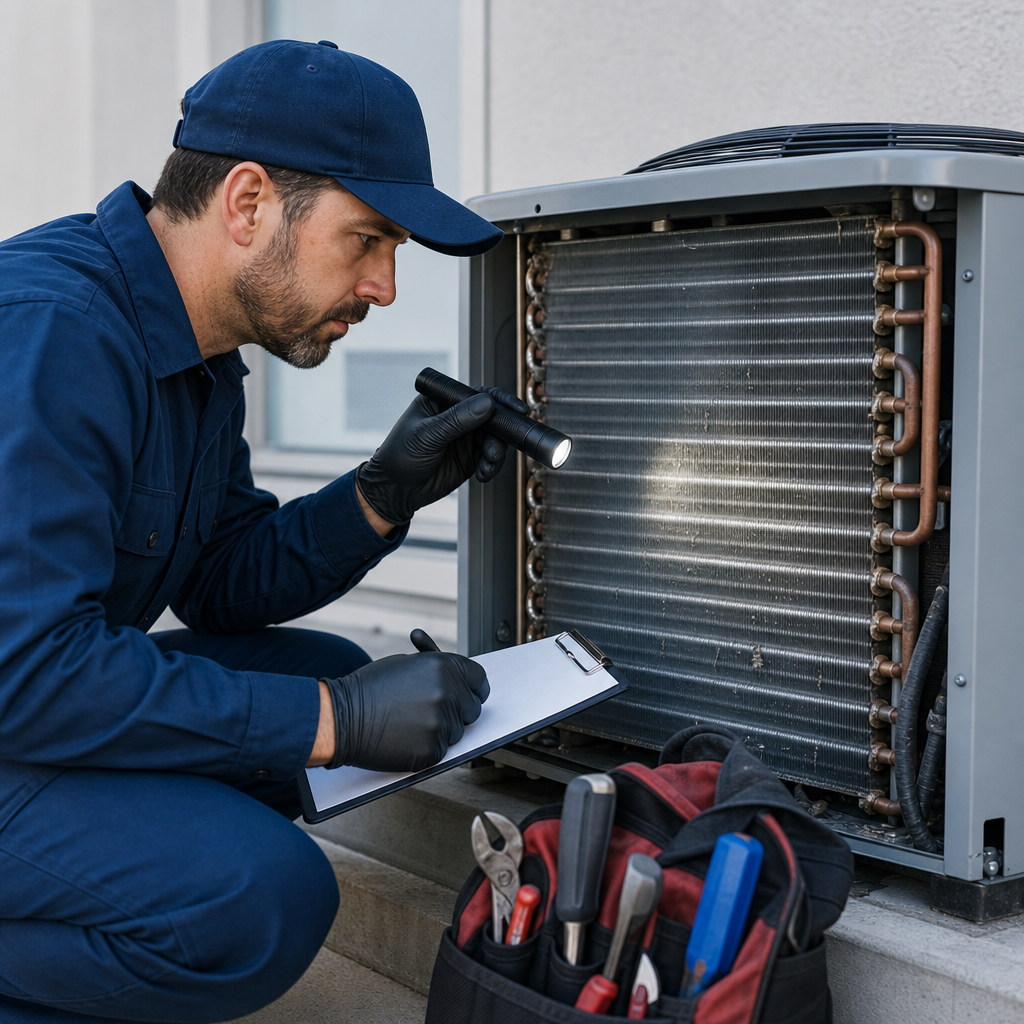
Texas weather brings sudden challenges. Heavy storms stir up dust and debris. Pollen seasons spike. Seasonal transitions (spring and fall) require attention as systems switch from heating to cooling or vice versa.
Schedule deep cleaning after major storms, even if your annual service is months away. Storm fronts push debris into ductwork and coat evaporator coils faster than normal operation. We’ve seen post-hail situations where dust infiltration makes standard cleaning insufficient.
Seasonal transitions deserve special attention too. Before switching from heating to cooling, have your coils inspected. Winter heating can deposit dust throughout the system, and spring cooling will circulate that dust everywhere once AC kicks on. A pre-season deep clean prevents this circulation.
Allergy sufferers should consider deep cleaning during high pollen seasons. In Austin, cedar fever peaks January-February. Ragweed season hits August-September. San Antonio experiences year-round pollen but spikes during spring. A professional deep clean during these peaks keeps coils clear and reduces pollen circulation.
Our recommendation: schedule inspections after major weather events. Don’t wait for your annual appointment if a storm just passed. One proactive cleaning prevents weeks of dust circulation and indoor air quality problems.
6. Signs Your AC Coils Need Immediate Professional Cleaning
Don’t rely on schedules alone. Watch for these signs that your coils need cleaning now, regardless of when you last serviced them.
Visible mold or musty odors are the most obvious red flags. If you smell something moldy near your AC vents or see dark spots on grilles, call immediately. This means mold is growing on your coils and circulating through your home.
Reduced airflow or weak cooling despite the thermostat setting correctly indicates coil buildup. Your system is working hard but not delivering results. High energy bills without increased usage also point to efficiency loss from dirty coils.
Strange noises like grinding or rattling sometimes indicate debris lodged in the system. Hissing sounds can mean refrigerant issues related to coil condition.
Poor indoor air quality even though your filter is new suggests coil problems. If allergies worsen or dust accumulates faster than normal on furniture, your coils likely need cleaning.
If you notice any of these signs, don’t wait for your scheduled service. Contact us for an inspection. We can determine whether coils are the culprit and clean them the same day in most cases. Early intervention prevents mold from spreading and system damage.
7. How Our Professional Cleaning Prevents Mold Growth Better Than DIY Methods
Some homeowners attempt coil cleaning with compressed air or consumer products. This approach sounds cost-effective but falls short in critical ways. Professional cleaning delivers lasting mold prevention that DIY methods simply can’t match.
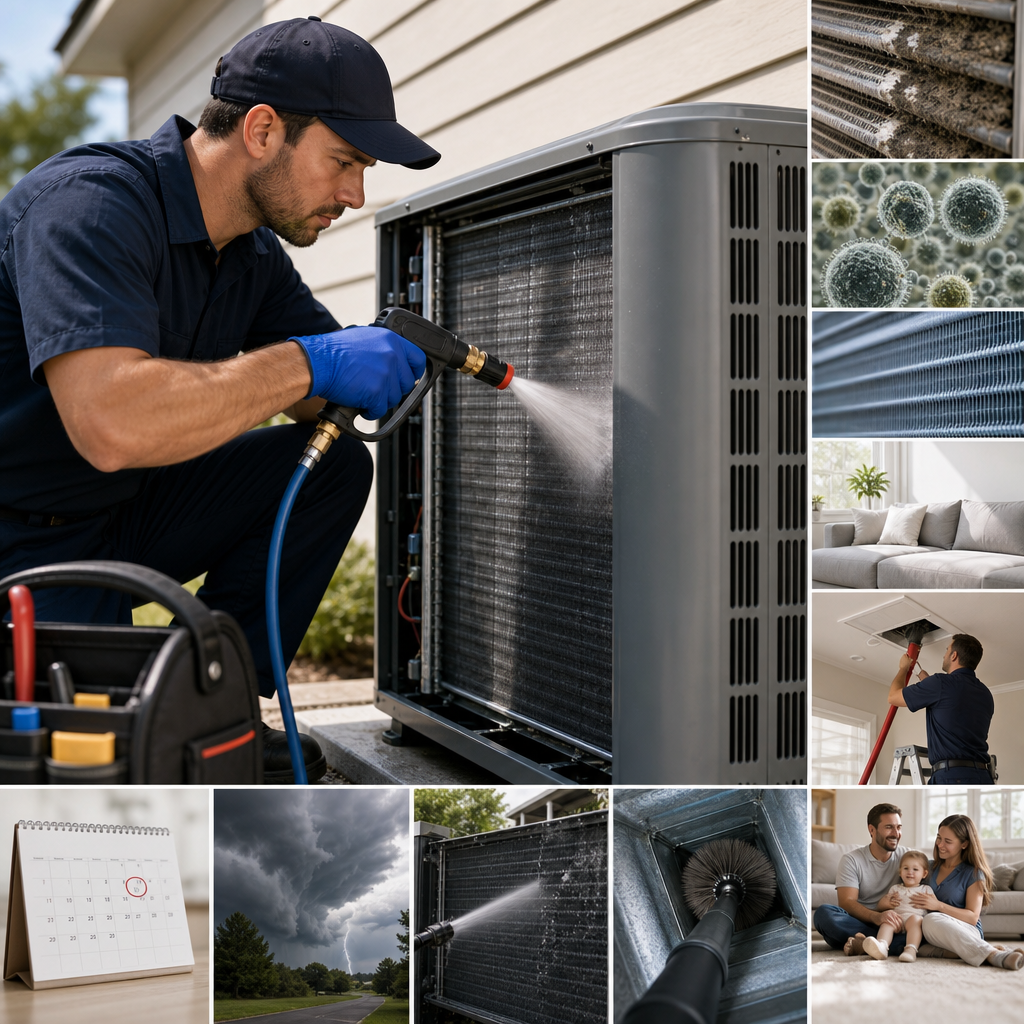
Here’s why our approach is different: Professional coil cleaning vs DIY uses specialized equipment and antimicrobial treatments that consumer products don’t reach. Our technicians remove buildup at the coil surface and treat the condensate pan and drain, which are primary mold sources.
DIY compressed air blows debris around instead of removing it. Consumer coil sprays work only on surface dirt and don’t address mold spores or drain issues. Most importantly, DIY methods miss the condensate system, where 80% of coil mold problems originate.
Our process includes:
- Professional-grade coil cleaner that kills mold spores and prevents regrowth
- High-pressure rinse that removes all debris without damaging fins
- Condensate pan and drain cleaning to prevent future mold
- Antimicrobial treatment applied to coils and pan
- System testing to confirm airflow and efficiency improvements
A San Antonio customer tried DIY cleaning before calling us. Within three weeks, musty odors returned. Our deep professional clean, plus drain treatment, kept the smell gone for 14 months before the next scheduled service.
The investment in professional cleaning pays dividends through extended intervals between services, better indoor air quality, and system efficiency gains that lower energy costs. We provide free service estimates so you can see the difference between our approach and consumer-grade methods. Contact us today for an inspection and discover why professional cleaning is the only way to truly prevent mold growth and maintain healthy indoor air in your Texas home.
For further reading: Deep HVAC coil cleaning, Ductwork inspection guide.
If you’re dealing with dust, poor airflow, mold in your ducts, or a clogged dryer vent — don’t wait. These issues can affect your health and safety. Go Air Ducts Group are the local experts in air duct cleaning, mold removal, dryer vent cleaning, and attic insulation. Call now for a free inspection and same-day service in Austin and San Antonio.
Frequently Asked Questions (FAQ)
How often should we have our AC coils cleaned in Austin’s climate?
We recommend annual AC coil cleaning for most Austin homeowners, though we suggest bi-annual cleaning if your home experiences high humidity or you notice mold growth. Our service schedule takes into account Austin’s specific climate patterns, and we’ll assess your individual needs during a free estimate to determine the best frequency for your property.
What signs indicate our AC coils need professional cleaning right away?
If you notice musty odors coming from your vents, visible mold around your indoor unit, reduced cooling efficiency, or increased allergy symptoms indoors, we recommend contacting us immediately. These are clear indicators that your coils have accumulated debris or mold, and waiting could affect your indoor air quality and system performance.
Can we clean our AC coils ourselves, or do we need professional service?
While basic maintenance like filter changes are manageable, AC coil cleaning requires specialized equipment and expertise to avoid damaging your system or missing hidden mold growth. We use professional-grade tools and techniques that deliver results far superior to DIY methods, plus our certified technicians can identify other potential issues during the cleaning process.