
🕑 7 min read
Table of Contents
- 1. Home Size and Duct Layout Complexity
- 2. Duct Material Selection and Its Cost Impact
- 3. Accessibility and Attic or Crawlspace Conditions
- 4. Existing Damage, Mold, and Remediation Needs
- 5. Insulation Upgrades and Energy Efficiency Gains
- 6. HVAC System Compatibility and Related Repairs
- 7. Why Go Air Ducts Delivers the Best Value in San Antonio
- Frequently Asked Questions (FAQ)





1. Home Size and Duct Layout Complexity
For a 3,000-square-foot home in San Antonio, the size of the house is only the starting point. The real driver of cost is how much ductwork the system needs and how that ductwork is routed through the home. A single-story ranch with a straight trunk line costs far less to replace than a two-story home with branching runs in multiple directions.
In our experience, the layout factors that move the price most include:
- Number of supply and return registers. Each additional register means more branch lines, more fittings, and more labor.
- Number of zones. Homes with multiple thermostats or zoning dampers need more balancing work and sometimes separate trunk lines.
- Floor plan shape. Long runs, tight turns, and rooms far from the air handler all require more material and careful sizing to keep airflow even.
Practical takeaway: Ask for a room-by-room duct layout before accepting any estimate. A quote that does not account for register count and run length is likely to change once the work begins.
2. Duct Material Selection and Its Cost Impact
The material you choose affects both the upfront price and how well the system performs for years. The two most common options for San Antonio homes are sheet metal and flexible ductwork.
- Galvanized sheet metal is durable, resists pests and moisture better, and holds its shape for decades. It is more labor-intensive to fabricate and install, so it typically costs more up front.
- Flexible insulated ductwork is faster to install and fits tight spaces easily. It is less expensive in materials and labor, but it requires careful installation to avoid kinks and sagging that reduce airflow.
For a home of this size, the difference can be significant. We often walk homeowners through a side-by-side comparison of San Antonio ductwork options so they can weigh cost against longevity and airflow needs for their specific layout.

Practical takeaway: Lower-cost materials can be a smart choice when installed correctly, but cutting corners on fittings, sealing, and support will cost you in comfort and energy bills later.
3. Accessibility and Attic or Crawlspace Conditions
Where your ducts run matters as much as what they are made of. In San Antonio, most homes have ductwork in the attic, which is hot for much of the year and can be cramped. Homes built on raised foundations may have ducts in a crawlspace, which brings its own challenges with moisture and limited headroom.
Accessibility affects labor hours directly. Expect higher costs when:
- The attic has low clearance, insulation piled over ducts, or limited access hatches.
- Ducts run through tight chases, behind finished walls, or under flooring.
- Crawlspaces have standing water, wet soil, or heavy debris that must be addressed before work begins.
- Equipment must be hauled through a small opening or up a narrow stairway.
Practical takeaway: Clear a path to the attic or crawlspace and note any problem areas before the technician arrives. This helps us give you a more accurate estimate on the first visit.
4. Existing Damage, Mold, and Remediation Needs
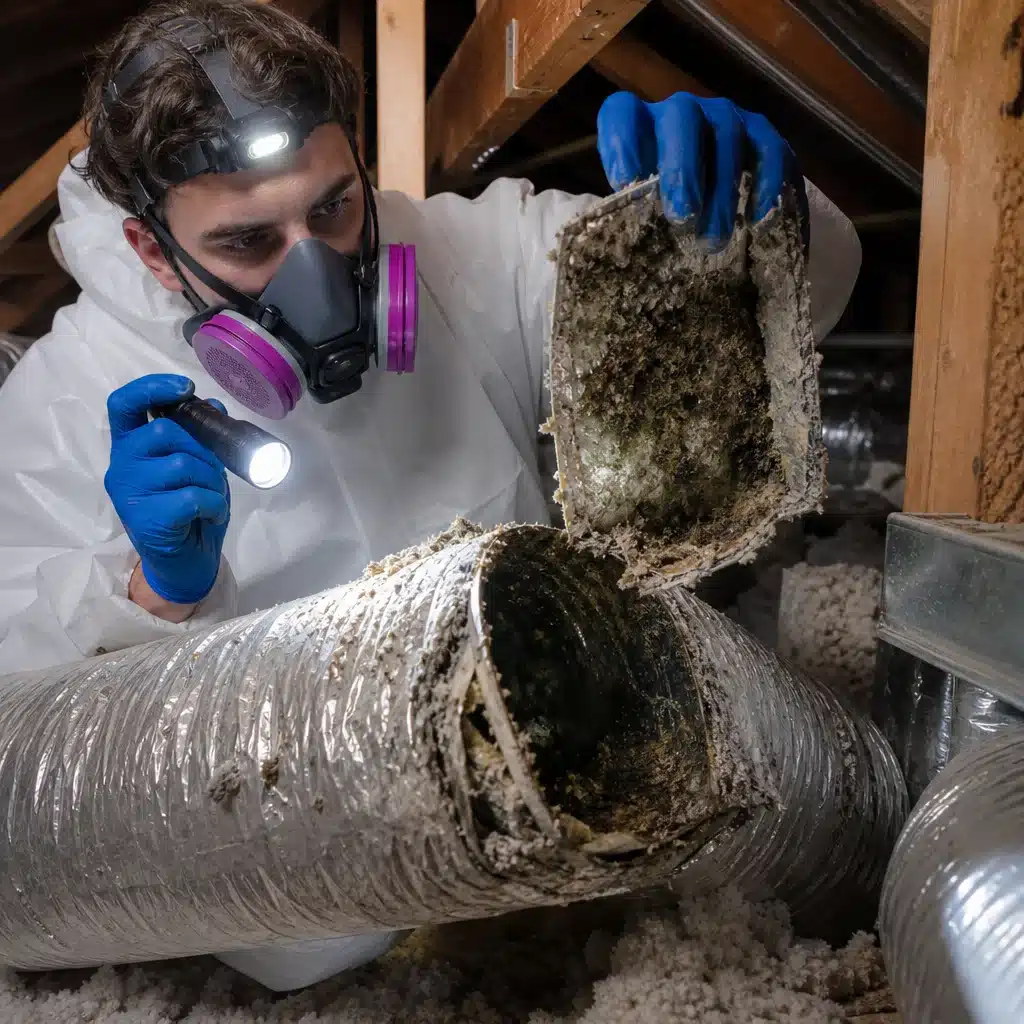
Old ductwork often hides problems. Once the existing system is opened up, we frequently find crushed sections, disconnected joints, rodent damage, and moisture-related growth. Mold inside ducts is especially common in humid Texas summers when condensation builds up around cooling equipment.
If mold is present, replacement cost increases because the contaminated material must be removed and the area treated. Remediation may include:
- Containment of the work area to prevent spores from spreading through the home.
- Removal and disposal of damaged duct sections and insulation.
- Cleaning and treating the air handler and surrounding surfaces.
- Verifying that moisture sources, such as a leaking drain pan, are corrected.
For homes with older systems, we often recommend reviewing duct remediation for older homes before committing to a full replacement. In some cases, targeted repairs can extend the life of usable sections.
Practical takeaway: Ask whether the estimate includes mold testing and remediation. Replacing ducts without addressing the moisture source will likely lead to the same problem within a few years.
5. Insulation Upgrades and Energy Efficiency Gains
Ductwork in a San Antonio attic can lose a large share of conditioned air if it is poorly insulated or leaky. Since attic temperatures can climb well above outdoor temperatures in summer, duct insulation and sealing play a major role in efficiency.
When replacing ducts, many homeowners choose to upgrade insulation at the same time. Common improvements include:
- Higher R-value duct insulation to reduce heat gain.
- Mastic or foil-tape sealing at every joint to cut air leakage.
- Upgraded attic insulation to protect the entire duct run and reduce cooling demand.
The combined effect can lower energy use noticeably and help the system hold temperature more evenly. Our guide to Texas attic insulation options covers which products perform best in our climate, and our article on insulation and HVAC efficiency explains how the two systems work together.
Practical takeaway: Bundling duct replacement with insulation and sealing usually costs less than doing them separately, and the energy savings compound over time.
6. HVAC System Compatibility and Related Repairs
New ductwork has to match the air handler, furnace, and cooling equipment. If the existing unit is undersized, oversized, or nearing the end of its life, the duct design may need to change to keep airflow balanced. Mismatched systems can cause short cycling, uneven temperatures, and premature wear.
Related repairs that often appear during duct replacement include:
- Replacing or resealing the air handler plenum.
- Correcting condensate drain issues.
- Updating return air pathways for proper airflow.
- Addressing thermostat or zoning control wiring that was disturbed during work.
Practical takeaway: Have your technician confirm system compatibility before ordering materials. Replacing ducts on a failing system without evaluating the equipment can leave you paying twice.
7. Why Go Air Ducts Delivers the Best Value in San Antonio
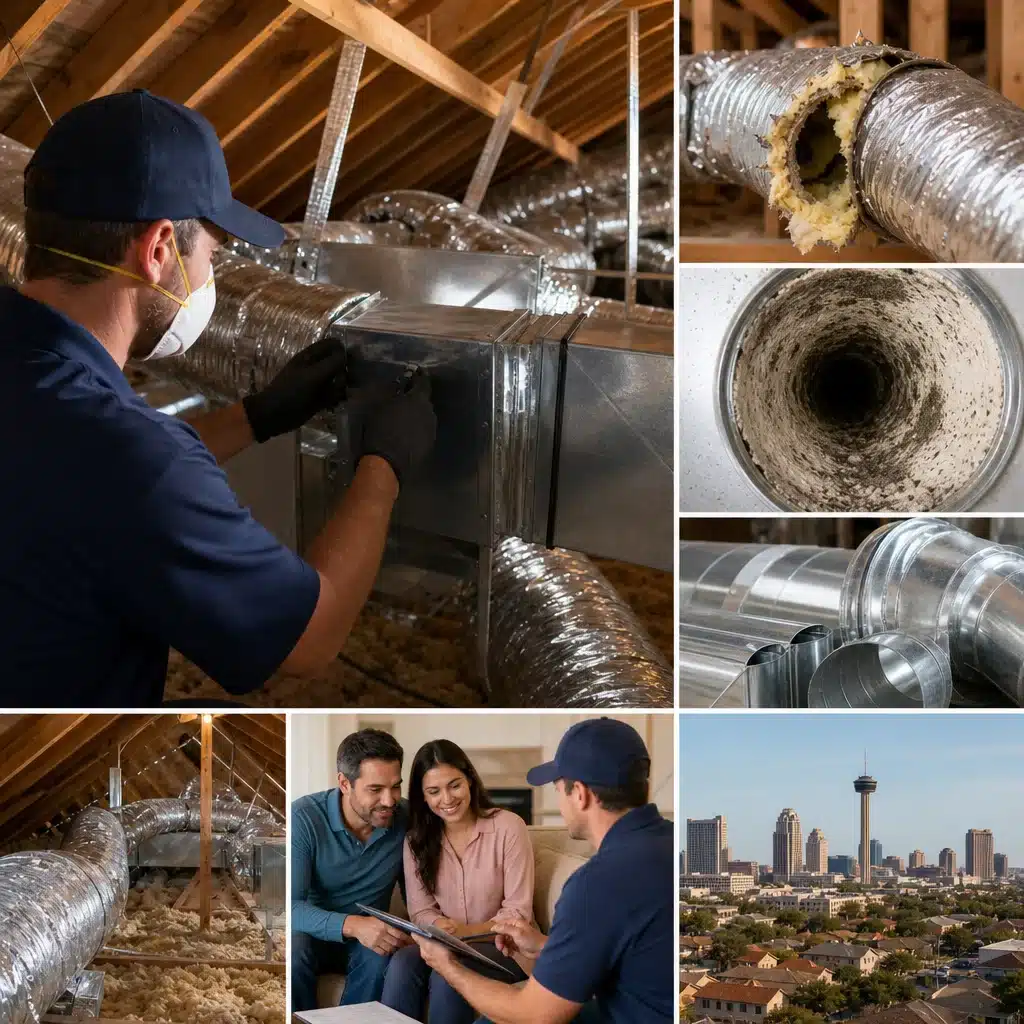
Many companies quote duct replacement, but few evaluate the whole system. At Go Air Ducts, we start with a full inspection of your ductwork, attic or crawlspace, air handler, and indoor air quality. That approach lets us price your project accurately and recommend only the work your home actually needs.
What sets our service apart:
- Certified HVAC technicians who understand Texas building conditions and San Antonio climate demands.
- Free service estimates with a clear, itemized breakdown of materials, labor, and any remediation.
- Mold and moisture expertise, so problems are corrected at the source instead of covered up.
- Coordinated insulation and sealing to maximize efficiency from every dollar you invest.
- Fast response when you need service quickly, with same-day availability for many requests.
Replacing ductwork is a major decision for a 3,000-square-foot home, and it should be based on accurate information, not guesswork. If you are ready to get a real number for your project, schedule a free inspection with Go Air Ducts today. Our team will walk through your options, explain the cost factors specific to your home, and help you choose a solution that protects your comfort, your air quality, and your budget for years to come.
If you’re dealing with dust, poor airflow, mold in your ducts, or a clogged dryer vent — don’t wait. These issues can affect your health and safety. Go Air Ducts Group are the local experts in air duct cleaning, mold removal, dryer vent cleaning, and attic insulation. Call now for a free inspection and same-day service in Austin and San Antonio.
Frequently Asked Questions (FAQ)
How much does air duct replacement cost for a 3,000-square-foot home in San Antonio?
For a home of this size, we typically see replacement projects priced according to the total linear footage of ductwork, the number of supply and return runs, and the material chosen. Every home is different, so we provide a free on-site estimate after measuring the system and inspecting the attic or crawlspace. That estimate reflects the actual conditions of your home rather than a generic average.
What factors have the biggest impact on the final price?
The main drivers we evaluate are duct layout complexity, material selection, accessibility in the attic or crawlspace, and any existing mold or damage that must be remediated first. We also account for insulation upgrades and whether your HVAC unit needs related repairs to work efficiently with new ductwork. Addressing these together helps us avoid surprises and deliver a system that performs as expected.
Do you offer financing or payment options for duct replacement?
We work with homeowners to match the scope of the project to their budget, and we can walk you through the options available at the time of your estimate. Our technicians will explain which work is essential now and which upgrades can be scheduled later. You will always receive a written estimate before any work begins.