
🕑 8 min read
Table of Contents
- 1. Visual Mold Inspection and Detection
- 2. Specialized Antimicrobial Treatments We Apply
- 3. High-Powered Vacuum Systems That Remove Spores
- 4. Humidity Control and Prevention Strategies
- 5. Sealed Ductwork Inspection and Repair
- 6. Post-Cleaning Air Quality Testing
- 7. Ongoing Maintenance Plans to Stop Mold Return
- Frequently Asked Questions (FAQ)
1. Visual Mold Inspection and Detection
Mold in your air ducts isn’t just a smell problem—it’s a silent health threat that circulates spores through your home every time your HVAC system runs. In Austin’s humid climate, we see mold colonization in ducts far more often than homeowners realize. Most people don’t know their ductwork is contaminated until allergies worsen, or they notice that musty odor coming from their vents.
The challenge is that mold thrives in the dark, damp environment inside your ducts. Standard vacuuming won’t kill it. Bleach sprayed inside ducts creates toxic fumes. You need a systematic approach that combines detection, specialized treatment, and prevention—which is exactly what we deliver at Go Air Ducts.
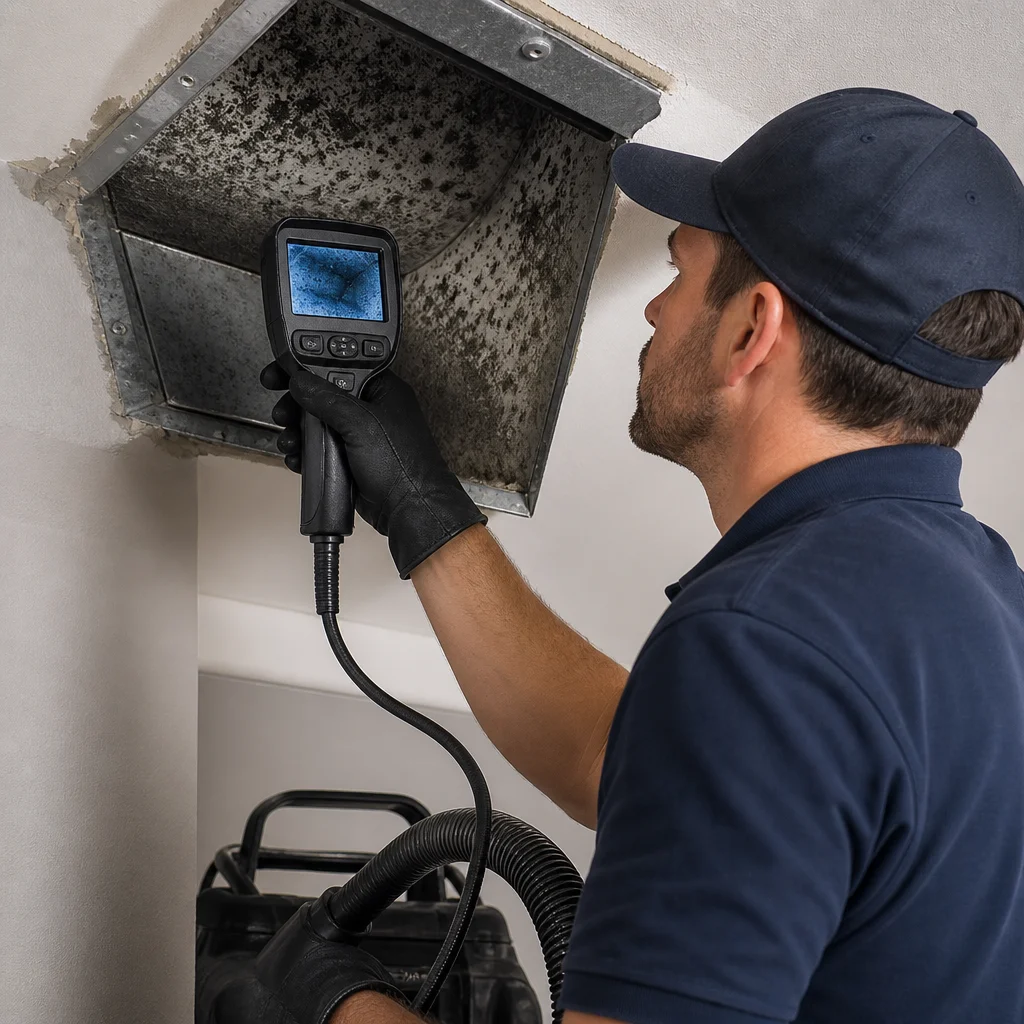
We start every mold remediation job the same way: we look inside your ductwork with a borescope camera. This lets us see exactly what we’re dealing with before we commit to a treatment plan. We’re not guessing or selling unnecessary work—we’re showing you the problem so you understand why the solution matters.
During an air duct inspection, we identify visible mold growth, discoloration, black spots, or fuzzy buildup on duct interior walls. We document the extent of contamination and take photos you can review. In many Austin homes, we find mold clustered around low points in horizontal ducts where condensation pools, or near supply vents in bathrooms and kitchens.
The visual inspection also reveals whether the mold is surface-level or deeply embedded in dust and debris. This matters because treatment strategy changes based on what we find. A light mold film requires different handling than thick growth tangled in fiberglass duct insulation.
Next step: Schedule a free inspection so we can assess your specific situation and explain what we find in plain terms.
2. Specialized Antimicrobial Treatments We Apply
Once we’ve identified mold, we apply EPA-registered antimicrobial treatments designed specifically for ductwork environments. We don’t rely on bleach or off-the-shelf sprays—those create safety hazards and don’t prevent regrowth. Our air duct mold remediation process uses hospital-grade antimicrobial solutions that kill mold spores on contact and leave a protective residue.
We apply these treatments using specialized fogging equipment that distributes the antimicrobial evenly throughout your duct network. The treatment penetrates dust and biofilm where mold colonies hide. This approach works where surface wiping fails—it reaches into every corner and crevice of your ducts.
The antimicrobial we use is safe for occupied spaces, doesn’t create chemical residue that impacts air quality, and is proven effective against common mold species found in Texas homes (Aspergillus, Penicillium, and Stachybotrys). We apply it after cleaning and before reassembling your system so it bonds to clean surfaces rather than sitting on top of contamination.
Many Austin homeowners are surprised to learn that professional mold treatment in ducts is affordable when you factor in health benefits and the cost of ongoing medical issues tied to poor indoor air quality.
3. High-Powered Vacuum Systems That Remove Spores
Standard household vacuums spread mold spores around, not remove them. We use industrial-grade, HEPA-filtered vacuum systems connected directly to your ductwork. These machines create negative pressure that pulls debris and spores out of your ducts and traps them in sealed collection tanks.
Our cleaning and testing process involves connecting our vacuum system at strategic points in your duct run. We use agitation tools to loosen buildup and spore colonies, then the vacuum removes everything before it can escape into your home. The HEPA filtration captures particles as small as 0.3 microns—that includes mold spores and allergens.
We also clean your return air vents, supply registers, and the blower compartment of your HVAC unit. Mold doesn’t just live in main ducts—it colonizes in registers and on blower blades too. A thorough job addresses the entire system, not just the visible main line.
This mechanical removal plus antimicrobial treatment creates a one-two punch that leaves your ducts genuinely clean, not just “less dirty.” Request a no-obligation equipment assessment to understand exactly what we’ll use on your specific duct configuration.
4. Humidity Control and Prevention Strategies
Mold needs moisture to grow. Austin’s humid climate means your ducts are under constant threat unless you control indoor humidity levels. We don’t just clean your ducts and leave—we identify moisture sources and recommend practical fixes to keep mold from returning.
Common culprits in Austin homes include:
- Poorly insulated ducts in unconditioned attic spaces where condensation forms on duct exteriors
- Leaky return ducts that pull humid air from crawlspaces or basements
- HVAC systems without proper condensate drainage
- Inadequate ventilation in bathrooms and kitchens
We recommend keeping indoor humidity between 30-50%. If your home runs humid year-round, a whole-home dehumidifier paired with balanced ventilation prevents mold regrowth in ducts. We can also recommend sealing duct leaks and upgrading insulation in your attic—both reduce condensation and improve energy efficiency.
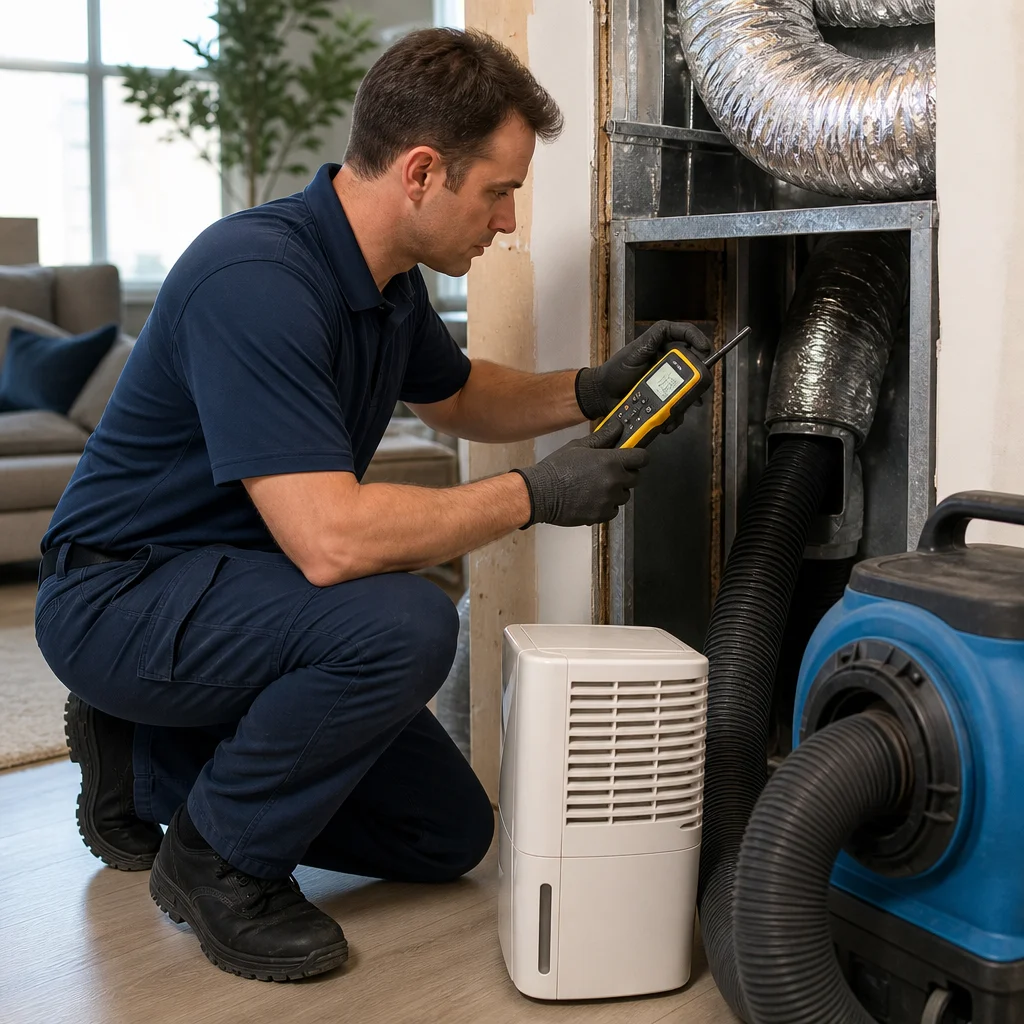
Prevention is cheaper than remediation. Addressing humidity now stops you from needing another expensive duct cleaning in two years.
5. Sealed Ductwork Inspection and Repair
Even clean ducts get recontaminated if they leak. Leaky return ducts pull unconditioned air from your attic or crawlspace—often humid, dusty, or already moldy air. Leaky supply ducts waste conditioned air and reduce your system’s ability to maintain consistent temperature and humidity.
We perform duct pressure testing to identify leaks you can’t see. This test pressurizes your ductwork and pinpoints where air escapes. We then seal leaks using mastic sealant and metal repair tape—not duct tape, which degrades and fails. Sealed ducts prevent humidity and contaminants from entering, which is essential for keeping mold from returning.
In some Austin homes, we recommend duct insulation upgrades in attic spaces. Uninsulated or poorly insulated ducts in hot attics develop condensation on their exterior surfaces, creating the moist environment mold loves. Modern duct wrap or rigid insulation prevents this problem.
A sealed, insulated duct system is cleaner longer and reduces the frequency of professional cleaning intervals.
6. Post-Cleaning Air Quality Testing
After we finish cleaning and treatment, we don’t just tell you “it’s done”—we verify the results with air quality testing. We measure spore counts before and after your cleaning, and we can test your indoor air to confirm mold spores have been reduced to safe levels.
This testing gives you proof that the work was effective. Many homeowners find it reassuring to see the data showing spore reduction. If your ducts required remediation due to a health concern—respiratory issues, allergies, or mold sensitivity—testing confirms improvement.
Our cleaning and testing services include optional air quality assessments that show you exactly what you’re breathing. We measure particulate matter, mold spore levels, and other indoor air contaminants. This baseline helps us recommend targeted follow-up services like air duct deodorizing or additional treatments if needed.
Documentation of improvement is valuable if you’re selling your home or managing a health condition related to indoor air quality. Ask us about our testing reports, which provide the detailed data you need for real estate transactions or personal health tracking.
7. Ongoing Maintenance Plans to Stop Mold Return
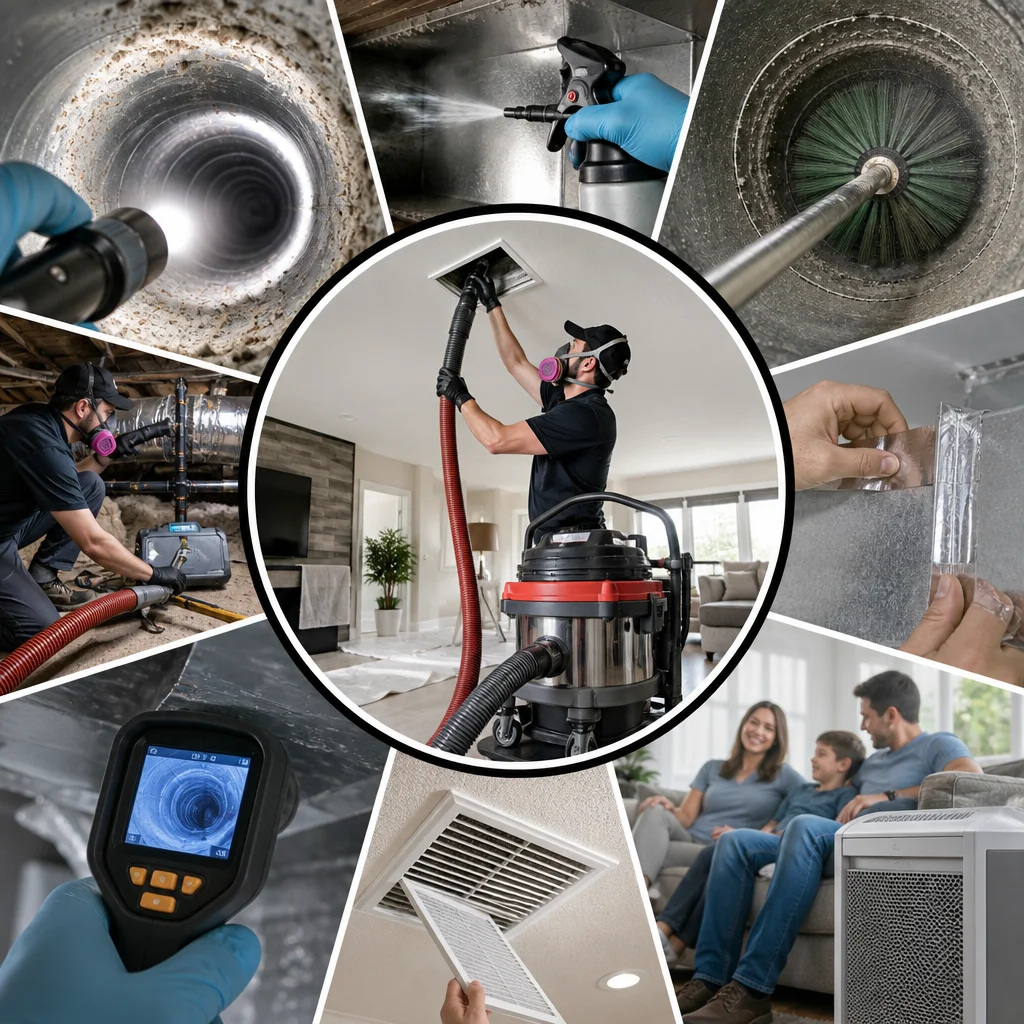
One professional cleaning isn’t a permanent fix—it’s a reset. Mold returns if conditions allow it to regrow. We recommend annual duct inspections and cleaning for Austin homes with a history of mold, or homes in particularly humid conditions.
Our maintenance plans include:
- Annual borescope inspection to catch early signs of mold before it spreads
- Professional cleaning every 12-24 months depending on your home’s humidity profile
- Filter replacement on a regular schedule to reduce dust buildup that mold feeds on
- Seasonal HVAC system checks to confirm no new leaks or condensation issues develop
Homeowners who stay on a maintenance schedule rarely experience mold problems. Those who wait until they smell mold or develop symptoms end up spending more on emergency cleaning and potential HVAC repairs.
Think of it like dental care—regular cleaning prevents major problems. Skip it, and you’ll pay a lot more later. Contact us today to set up a maintenance plan customized for your home’s specific conditions and climate zone.
If you’re dealing with dust, poor airflow, mold in your ducts, or a clogged dryer vent — don’t wait. These issues can affect your health and safety. Go Air Ducts Group are the local experts in air duct cleaning, mold removal, dryer vent cleaning, and attic insulation. Call now for a free inspection and same-day service in Austin and San Antonio.
Frequently Asked Questions (FAQ)
How do we detect mold in air ducts if it’s not visible?
We use specialized visual inspection equipment and moisture detection tools to identify mold growth even when it’s hidden from plain sight. Our technicians also assess humidity levels and look for conditions that encourage mold development, like condensation or poor airflow. If we suspect mold, we can collect air quality samples to confirm contamination before treatment begins.
What antimicrobial treatments do we use, and are they safe for my family?
We apply EPA-approved antimicrobial treatments designed specifically for HVAC systems that eliminate mold spores without introducing harmful chemicals into your home. All products we use are safe for residential properties and comply with Texas indoor air quality standards. Our team applies these treatments during the cleaning process, and we fully ventilate your system before returning it to operation.
How often should we schedule duct cleaning to prevent mold from returning?
We recommend professional duct cleaning every 3 to 5 years for most Austin homes, though this depends on your humidity levels, pet ownership, and local environmental factors. Between professional cleanings, we suggest maintaining your HVAC system with regular filter changes and proper humidity control to stop mold before it starts. We can create a customized maintenance plan that fits your home’s specific needs and your budget.