🕑 7 min read
Scratching, chirping, or thumping inside the fireplace is unsettling, and the instinct to do something right away is strong. The wrong first move can hurt the animal, hurt you, or turn a simple problem into a legal and safety one. This guide explains what to do in the first hour, who to call, and how to keep animals from coming back.
Quick Answer
If you hear animals in your chimney, do not light a fire, and do not try to reach in or smoke them out. Close the damper if you can do so safely, keep pets and children away, and call a licensed wildlife removal professional. Some birds are legally protected. After the animals are gone, have the chimney inspected and cleaned, and consider a chimney cap so it does not happen again.
Key Takeaways
- Lighting a fire with animals inside is dangerous for them and can create fire and carbon monoxide hazards for you.
- Wild animals can bite, scratch, and carry parasites. Avoid direct contact and call a wildlife professional.
- Many birds, including chimney swifts, are protected under federal law, and active nests cannot simply be removed.
- Nesting material and debris left behind can block the flue, so inspection and cleaning belong after removal.
What You Are Probably Hearing
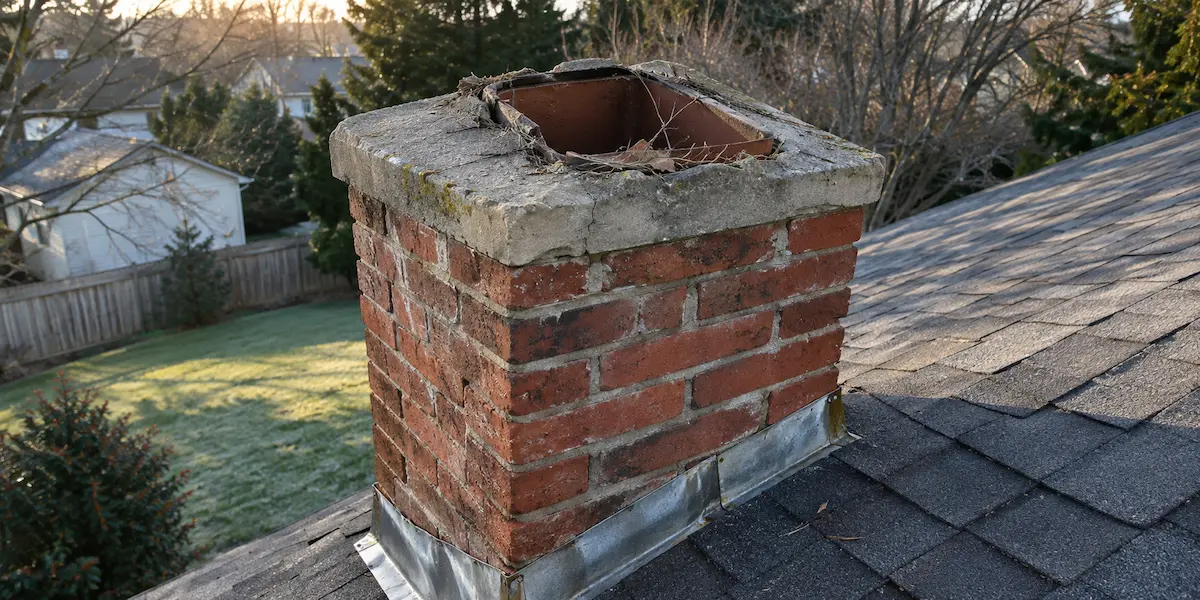
The sounds from a chimney can tell you something, though they do not replace a professional look. Fluttering and chirping often point to birds, scratching and thumping can indicate raccoons or squirrels, and a constant chittering may mean young animals are present. Do not assume. Sounds can echo and mislead, and the situation may involve more than one animal.
Chimneys without a proper cap are open invitations. They look like hollow trees or rock crevices to many species, and a warm, sheltered flue is attractive in any season.
Your First Steps
- Do not light a fire. A fire can injure or kill animals and fill the home with smoke. Burning nesting material can also start a chimney fire.
- Keep the area clear. Move pets and children away from the fireplace and close any doors you can.
- Close the damper if you can do it safely. If the damper is open and an animal is near it, do not reach in. A closed damper can keep an animal from dropping into the room.
- Avoid handling anything. Wild animals can bite and scratch, and droppings or nesting material can carry parasites and germs.
- Call a licensed wildlife removal professional. They can identify the species, check legal requirements, and remove animals humanely.
Do and Do Not
| Do | Do Not |
|---|---|
| Keep the fireplace unused until the situation is resolved | Light a fire or use smoke, noise, or chemicals to force animals out |
| Call a licensed wildlife removal professional | Reach into the flue or damper to grab or pull an animal out |
| Ask about the species and its legal status before any removal | Remove a bird nest that may contain eggs or young |
| Schedule an inspection and cleaning after removal | Assume the chimney is fine once the sounds stop |
| Install a cap to prevent a repeat | Use the fireplace again before it has been checked |
Why the Species Matters Before Anyone Touches a Nest
Not every animal in a chimney can be removed on your schedule. The federal Migratory Bird Treaty Act protects many bird species, and the U.S. Fish and Wildlife Service explains that the law prohibits taking protected migratory birds without authorization. Chimney swifts are one example of a bird that commonly nests in chimneys, and an active nest generally cannot be disturbed. Other wildlife can be subject to state rules.
A licensed wildlife professional knows which rules apply to the animals in your chimney and can tell you whether the best move is to wait, remove, or exclude. That is a different job from chimney work, so confirm who is handling what before booking.
What Animals Leave Behind
Even after the animals are gone, the chimney is not ready to use. Nesting material, sticks, leaves, droppings, and in some cases a deceased animal can block the flue, restrict the draft, or create odor problems. Debris sitting on the damper shelf can also keep the damper from closing. Burning a fire in a partly blocked chimney is a fire risk and can force smoke and carbon monoxide back into the home.
| What Might Be Left | Why It Matters | Next Step |
|---|---|---|
| Nests, sticks, and leaves | Flammable and can block the flue | Professional cleaning after removal |
| Droppings and nesting debris | Odors and contamination | Have cleanup handled with proper protection |
| Debris on the damper | May stop the damper from opening or closing | Clean and inspect the damper |
| Scratches or damage to the flue or cap | Can invite moisture and future entry | Inspect and repair if needed |
Animals Gone? Make Sure the Chimney Is Safe Again
Once the animals have been removed, an inspection checks the flue for blockages and damage, and cleaning removes debris and nesting material. Go Air Ducts provides chimney inspection, cleaning, repair, and cap services in Austin, San Antonio, and Round Rock. Wildlife removal is a separate specialty, so if animals are still inside, a wildlife professional should come first.
Schedule a Post-Removal Chimney Inspection
Cleaning, Repair, or a Cap?
- Cleaning: Debris and nesting material can be cleared with a professional chimney cleaning or chimney sweep. Go Air Ducts lists a promotional starting price of $99.99 for chimney cleaning that includes a Level 1 inspection, and final pricing depends on the chimney and what is found.
- Repair: If animals damaged the flue, crown, or other components, chimney repair addresses the damage.
- Prevention: A properly fitted cap keeps animals, rain, and debris out. See chimney cap installation and chimney cap replacement for options, and read our guide on why a chimney cap prevents leaks, odors, and animals.
For a real-world example, the project on designing and installing a custom chimney cap began with a homeowner who noticed debris in the firebox and the sound of wildlife nesting in the flue.
Why Texas Chimneys Attract Wildlife
Central Texas homes with large trees, wooded lots, and mild winters offer plenty of species a reason to look for shelter. Chimneys without a cap are especially exposed in spring when animals look for nesting sites. The same issue shows up outdoors at the dryer vent, and our post on bird nests in dryer vents explains how that plays out for another exhaust system.
Frequently Asked Questions
What should I do if I hear an animal in my chimney?
Do not light a fire, keep pets and children away, and avoid reaching into the flue. Close the damper if you can do it safely and call a licensed wildlife removal professional. After removal, have the chimney inspected and cleaned before using the fireplace again.
Can I remove a bird nest from my chimney myself?
Be careful. Many birds are protected by federal law, and an active nest with eggs or young generally cannot be disturbed without authorization. A wildlife professional can identify the species and advise what is allowed, including whether to wait until the nest is no longer active.
Is it safe to use the fireplace after animals were in the chimney?
Not until it has been checked. Nesting material and debris can block the flue, and a blocked chimney is a fire and carbon monoxide risk. Have the chimney inspected and cleaned after the animals are removed, and confirm the damper opens and closes correctly.
How do I stop animals from getting back into the chimney?
A properly fitted chimney cap with a screen is the usual solution. It blocks animals, rain, and debris from entering the flue. Have the chimney inspected first so any damage that allowed entry is repaired, and make sure the cap fits your specific chimney.
Does Go Air Ducts remove animals from chimneys in Austin, San Antonio, and Round Rock?
Go Air Ducts focuses on chimney inspection, cleaning, repair, and cap installation in Austin, San Antonio, and Round Rock, and recommends a licensed wildlife professional for live animal removal. After removal, the team can inspect, clean, and install a cap, and pricing is explained before work begins. See the service locations.
Get the Chimney Ready for Normal Use Again
Once the animals are gone, the next job is making sure the flue is clear and the chimney is protected from the next visitor. Go Air Ducts can inspect, clean, repair, and cap the chimney, and you will know what was found and what it costs before work begins.