
🕑 7 min read
Cleaning one dryer vent in a house is a single decision. Doing it across an apartment building means dozens of units, shared vent runs, residents with different schedules, and a liability question that does not go away. This guide is for property managers, owners, and maintenance teams who need a practical plan, and for residents who want to know what their building should be doing.
Quick Answer
Apartment dryer vents should be cleaned on a planned schedule instead of waiting for complaints. The right interval depends on the building design, vent length, number of dryers, and local fire-code or insurer requirements, so there is no single number to promise. A good program includes inspection, cleaning of the full run to the exterior, repair of damaged parts, and written records for each unit or vent line.
Key Takeaways
- Multi-unit buildings often have longer, shared, or vertical vent runs that collect lint in ways a single-family vent does not.
- Scheduling, resident notice, and unit access usually cause more delays than the cleaning itself, so plan them early.
- Cleaning is not a cure-all. Crushed hoses, damaged roof or wall terminations, and wrong materials need repair.
- Keep records by unit or vent line so inspection findings, repairs, and dates are easy to show an insurer or inspector.
Why Apartment Dryer Vents Are Not Just Bigger Versions of House Vents
In a house, one dryer usually has one vent that runs a short distance to an exterior wall. In an apartment building the layout varies. Some units have their own short runs, while others connect to vertical shafts, rooftop terminations, or long horizontal runs inside walls and ceilings. Commercial laundry rooms add several large dryers working back to back.
More lint, more moisture, and longer runs create more places for buildup to stay hidden. Every unit also has a resident who may or may not clean the lint screen regularly, change the transition hose, or notice that drying times are climbing. Those habits affect the entire building because buildup in a shared run can involve more than one household.
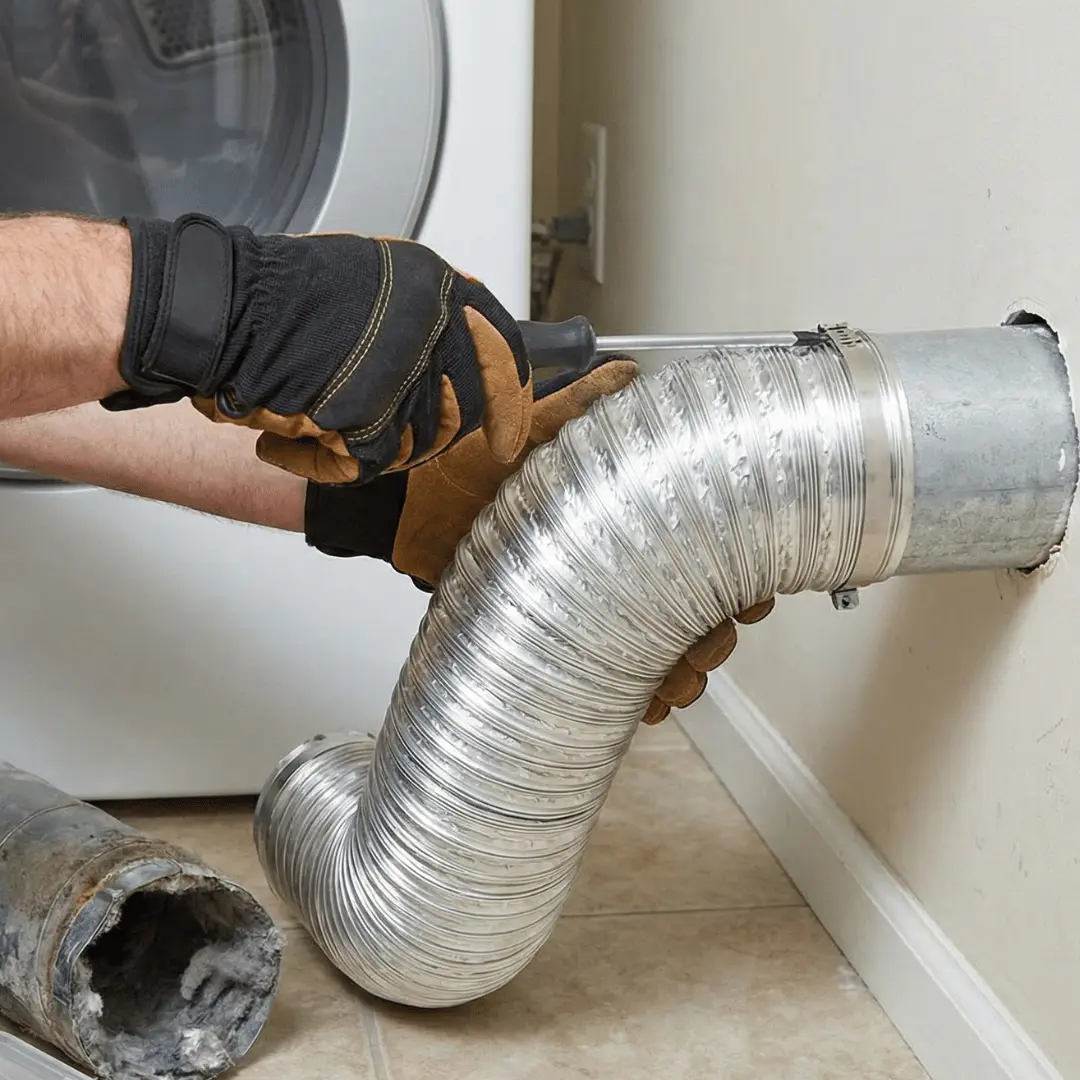
Residential Versus Multi-Unit: What Changes
| Factor | Single-Family Home | Apartment or Condo Building |
|---|---|---|
| Vent layout | Usually one short run per dryer | May include long runs, shared lines, shafts, or rooftop terminations |
| Access | One homeowner | Unit entry, notice requirements, and coordination with many residents |
| Ownership of the problem | Homeowner | Shared between owner, manager, and residents, depending on the lease |
| Documentation | Helpful | Often important for insurers, inspections, and tenant disputes |
| Pricing | Standard residential pricing | Quoted after inspection based on size, number of units, and condition |
Warning Signs Property Managers Should Take Seriously
Resident complaints often arrive before maintenance sees a problem. Patterns across units tell you more than a single report.
- Several residents report longer drying times or dryers that run hot.
- Lint is visible around exterior vent hoods or on balconies and rooftops.
- A laundry room feels unusually hot or humid.
- Exterior vent flaps do not open firmly when dryers run.
- Odors, moisture stains, or damp spots appear near vent lines.
- Bird nesting or pest activity shows up at terminations. Our post on why bird nests in dryer vents are a bigger problem than you think explains the airflow side of that issue.
Any of these can point to restricted airflow, and our guide to signs your dryer vent needs immediate cleaning covers the individual signs in more detail.
A Practical Plan for a Building-Wide Cleaning
- Inventory the dryer vents. Count dryers, note where each vent terminates, and flag any long, vertical, or shared runs.
- Start with an inspection. An inspection identifies buildup, damage, and routing problems before anyone schedules cleaning crews. Go Air Ducts offers dryer vent inspection for this purpose.
- Notify residents early. Explain the date, expected time in the unit, whether they need to be home, and what to move away from the dryer.
- Clean the full run. The goal is the vent line from the dryer connection to the exterior termination, not just the portion closest to the unit. See the dryer vent cleaning service page for how a standard job works.
- Repair what cleaning cannot fix. Damaged hoods, crushed connectors, and disconnected sections need repair. The dryer vent repair page includes commercial and multi-unit work.
- Record everything. Keep a log by unit or vent line with dates, findings, and repairs.
Need a Plan for a Multi-Unit Property?
Apartment and condo vent systems rarely fit a standard price list. An inspection shows how many lines there are, how long they run, what condition they are in, and how to schedule the work around residents. Go Air Ducts provides dryer vent service in Austin, San Antonio, and Round Rock, and quotes multi-unit work after looking at the property.
Request a Multi-Unit Dryer Vent Assessment
Cleaning, Repair, or Reinstallation?
The condition of the vent decides the service. Cleaning alone is enough only when the line is structurally sound and the airflow problem is lint. Otherwise the table below is a better guide.
| Condition Found | Likely Service to Discuss | Why |
|---|---|---|
| Lint buildup in an intact line | Cleaning | Removes restricting material from the vent |
| Damaged hood, stuck flap, or crushed connector | Repair | Restores airflow at the weak point |
| Unsuitable material, sagging pipe, or poor routing | Replacement or rerouting | Cleaning will not fix a design or material problem |
| Failing or missing venting for new dryers | New installation | Commercial dryers may need a more robust system than the original |
Go Air Ducts lists multi-unit and commercial dryer work on its dryer vent installation page, including apartment complexes and laundromats, where heavier lint and moisture loads call for stronger venting.
Fire Safety and Documentation
Dryer lint is combustible, which is why fire-safety organizations stress keeping vents clear. The National Fire Protection Association’s clothes dryer and washing machine safety tips (hosted by the U.S. Department of Energy) recommend metal venting and cleaning the vent when drying takes longer than normal. For a property, that guidance translates into a written maintenance routine rather than a once-a-complaint approach.
Check with your insurer and local fire marshal about any specific requirements. Rules and expectations vary, and those two sources know your building better than a general article can.
The Money Question Without the Guesswork
Go Air Ducts advertises a promotional starting price of $99.99 for residential dryer vent cleaning. That figure applies to the promotional offer and is not a quote for a multi-unit property. Apartment pricing depends on the number of vents, run lengths, access, and condition, and the final number is given after an inspection. For a sense of how multi-unit cost drivers work on the duct side, our article on Austin multifamily duct cleaning costs explains the factors property managers weigh.
Frequently Asked Questions
How often should apartment dryer vents be cleaned?
It depends on the building’s vent layout, number of dryers, and local requirements, so no single interval fits every property. Many managers start with an inspection to see actual lint levels, then set a recurring schedule and shorten it if buildup returns quickly. Ask your insurer and local fire officials about any required frequency.
Who is responsible for dryer vent cleaning in an apartment?
Responsibility usually depends on the lease and the building’s design. Owners and managers typically handle shared or built-in vent lines, while residents are responsible for the lint screen and the hose behind the dryer. Reading the lease and building policy clears up gray areas before a problem appears.
Do residents need to be home during cleaning?
Often an adult needs to be present or the property must authorize entry so technicians can access the dryer area and explain findings. Plan access with residents in advance, give clear notice of the date and window, and follow your lease and local notice rules for entering units.
Can lint in one unit affect other units?
If vents share a line or shaft, buildup can affect more than the unit where it started. Even without shared runs, a dryer that overheats creates a risk for that unit. Treating vents as a building-wide maintenance item helps keep problems from showing up unit by unit.
Does Go Air Ducts clean dryer vents for apartment buildings in Austin, San Antonio, and Round Rock?
Go Air Ducts provides dryer vent inspection, cleaning, repair, and installation in Austin, San Antonio, and Round Rock, including multi-unit and commercial properties. Pricing for apartment work is quoted after an inspection and explained before any work begins. See the service locations for details.
Turn Dryer Vents Into a Managed Item
The easiest vent problems to fix are the ones found during a scheduled inspection, not after a resident complaint. Go Air Ducts can assess your property, clean and repair what needs attention, and give you clear documentation of what was done. Pricing is discussed upfront.