
🕑 5 min read
Why is my fireplace smoking into the room?
Smoke comes into the room when the damper is closed, the flue is cold or blocked, the house is under negative pressure, the wood is wet, or the chimney is damaged. Open the damper fully, use dry wood, and stop using the fireplace and call a professional if smoke keeps entering the room. Keep working carbon monoxide detectors on every level.
Table of Contents
- Safety First
- Common Reasons Smoke Comes Into the Room
- What You Can Try Safely
- When to Call a Professional
- What an Inspection Looks For
- Frequently Asked Questions
- Get the Draw Right





A fireplace should pull smoke up and out of the house. When smoke drifts into the room instead, it is more than an annoyance. It can leave soot on walls, irritate eyes and lungs, and in some cases signal a problem with how the chimney is venting combustion gases.
Several things can cause it, and some are easy to fix. This guide covers the most common causes, what you can safely try, and when to stop using the fireplace and call a professional.
Safety First
Smoke entering the room means exhaust gases are not leaving the chimney as they should. Carbon monoxide is an odorless gas produced by burning fuel, and smoke spillage can be a warning sign that venting is not working. Make sure you have working carbon monoxide detectors on each level of your home, test them regularly, and if anyone feels dizzy, has a headache, or feels nauseated while a fire is burning, get everyone outside and call 911.
If smoke keeps coming into the room, stop using the fireplace until the cause is found.
Common Reasons Smoke Comes Into the Room
The damper is closed or partly closed
The damper must be fully open before you light a fire. It is easy to forget, and a partly open damper restricts the flow of smoke up the flue.
The flue is cold
A chimney full of cold air can push downward when the fire starts, which sends smoke into the room until the flue warms and begins to draw. Chimneys on exterior walls and tall chimneys are more likely to do this.
The chimney is blocked
Nests, leaves, debris, or heavy soot and creosote buildup can restrict the flue. A clogged chimney cap can also block airflow.
The house is under negative pressure
Exhaust fans, a clothes dryer, and a tightly sealed house can pull air out of the home faster than it comes in. When that happens, the fireplace can end up supplying the makeup air, drawing air down the chimney.
Wind or nearby obstructions
Trees, taller roofs, or the shape of a roofline can cause wind to push air down the chimney in some conditions.
The wood is wet or unseasoned
Damp wood smolders and produces more smoke than dry, seasoned wood.
The fireplace and flue are mismatched
If the firebox opening is large compared with the flue, the chimney may not draw all the smoke.
Damage inside the chimney
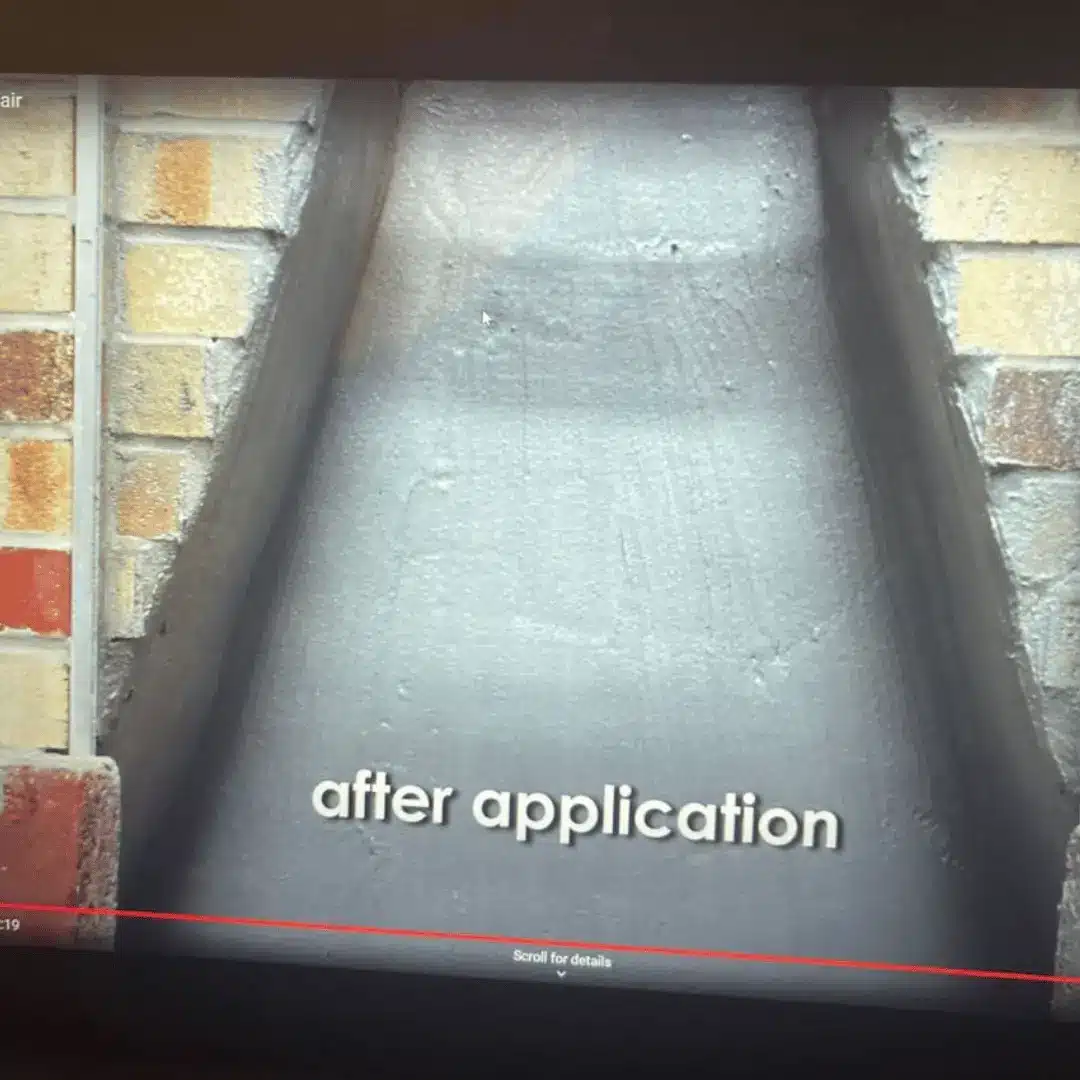
Cracked liners, damaged smoke chambers, or other masonry problems can disrupt airflow. A photo of a repaired smoke chamber is shown below. Smoother surfaces help smoke move upward.
What You Can Try Safely
- Open the damper completely before you light a fire.
- Warm the flue. Some people light a small, rolled piece of newspaper and hold it carefully near the open damper for a moment before starting the fire. Use caution and never leave it unattended.
- Crack a window near the fireplace to let in replacement air, and turn off competing exhaust fans.
- Use dry, seasoned wood and build a smaller fire.
- Keep the fire toward the back of the firebox.
- Look at the chimney top from the ground for nests or debris if it is safe to do so.
If smoke still enters the room after these steps, do not keep trying. The cause is likely inside the chimney.
When to Call a Professional
Stop using the fireplace and schedule an inspection if:
- Smoke comes into the room every time, not just occasionally.
- You smell smoke or a strong tar-like odor when the fireplace is not in use.
- You see black, flaky, shiny, or tar-like deposits in the flue.
- You hear animals or find nesting material.
- The damper is rusted or will not open fully.
- You see cracks, missing mortar, or damaged masonry.
- The chimney has not been inspected in more than a year.
What an Inspection Looks For
A professional inspection can find what you cannot see from the fireplace:
- Blockages from nests, debris, or buildup
- The condition of the flue liner, smoke chamber, and damper
- Cracks and gaps in masonry and the crown
- The condition of the chimney cap
- Creosote or soot buildup that restricts airflow
The Chimney Safety Institute of America (CSIA) recommends that chimneys be inspected at least once a year, and NFPA 211 also calls for annual inspection of chimneys, fireplaces, and vents. If the inspection finds buildup, cleaning may clear the problem. Our guide on creosote buildup levels explains when sweeping should not wait.
Frequently Asked Questions
Why does my fireplace smoke only sometimes?
Changing conditions such as wind, outdoor temperature, and competing exhaust fans can affect draw. Occasional smoke may be caused by a cold flue or negative pressure, while constant smoke points to a blockage or damage.
Can a chimney cap cause smoke problems?
A cap with mesh clogged by soot or debris can restrict airflow. A damaged or poorly sized cap can also affect draw. See our guide on why chimney caps matter.
Is smoke in the room dangerous?
It can be. Smoke irritates the lungs, and spillage can indicate venting problems that may involve carbon monoxide. Use working detectors and stop using the fireplace until it is checked.
Will cleaning the chimney fix it?
If buildup or debris is the cause, cleaning often helps. If the problem is a damaged liner, negative pressure, or design, other repairs may be needed.
Get the Draw Right
Go Air Ducts provides chimney inspection, chimney cleaning, and chimney repair services. Contact us to schedule service in Austin, San Antonio, and nearby Texas communities.