
🕑 7 min read
What are the most important gas dryer vent safety tips?
Clean the lint filter after every load, make sure the vent exhausts outdoors through smooth metal ducting, and never ignore burning smells or excessive heat. Gas dryers need clear, unrestricted airflow to safely vent moisture and combustion byproducts, so schedule professional vent cleaning at least once a year.
Table of Contents
- Why Gas Dryer Vent Maintenance Matters
- Clean the Lint Filter After Every Load
- Pay Attention to Longer Drying Times
- Make Sure the Dryer Vent Exhausts Outside
- Check the Dryer Vent Material and Connections
- Never Ignore Burning Smells or Excessive Heat
- Keep the Area Around Your Gas Dryer Clear
- Schedule Regular Dryer Vent Cleaning
- Additional Safety Tips for Gas Dryer Owners
- Protect Your Home With Professional Dryer Vent Service
- Frequently Asked Questions (FAQ)
A gas dryer makes laundry faster and more convenient, but like any gas-powered appliance, it requires proper maintenance to operate safely. One of the most important parts of gas dryer safety is keeping the dryer vent system clean, clear, and properly connected.
The dryer vent does more than remove hot air. It carries moisture, heat, and lint away from your home. When the vent becomes clogged or damaged, airflow is restricted, causing the dryer to work harder and increasing potential safety risks.
Following a few simple maintenance steps can help homeowners protect their dryer, improve efficiency, and reduce problems caused by poor ventilation.
Why Gas Dryer Vent Maintenance Matters
Gas dryers produce heat by burning natural gas or propane. During operation, the dryer creates warm, moist air that needs to exit through the vent system. If that air cannot escape properly, heat and lint can build up inside the dryer and vent line.
A blocked dryer vent can lead to longer drying times, overheating, higher energy usage, and unnecessary strain on the appliance. The U.S. Department of Energy recommends proper dryer vent installation and maintenance, including using appropriate duct materials and ensuring the dryer exhausts safely to the outside. For gas dryers specifically, proper ventilation is especially important because the appliance must safely remove combustion-related gases while maintaining proper airflow.
Clean the Lint Filter After Every Load
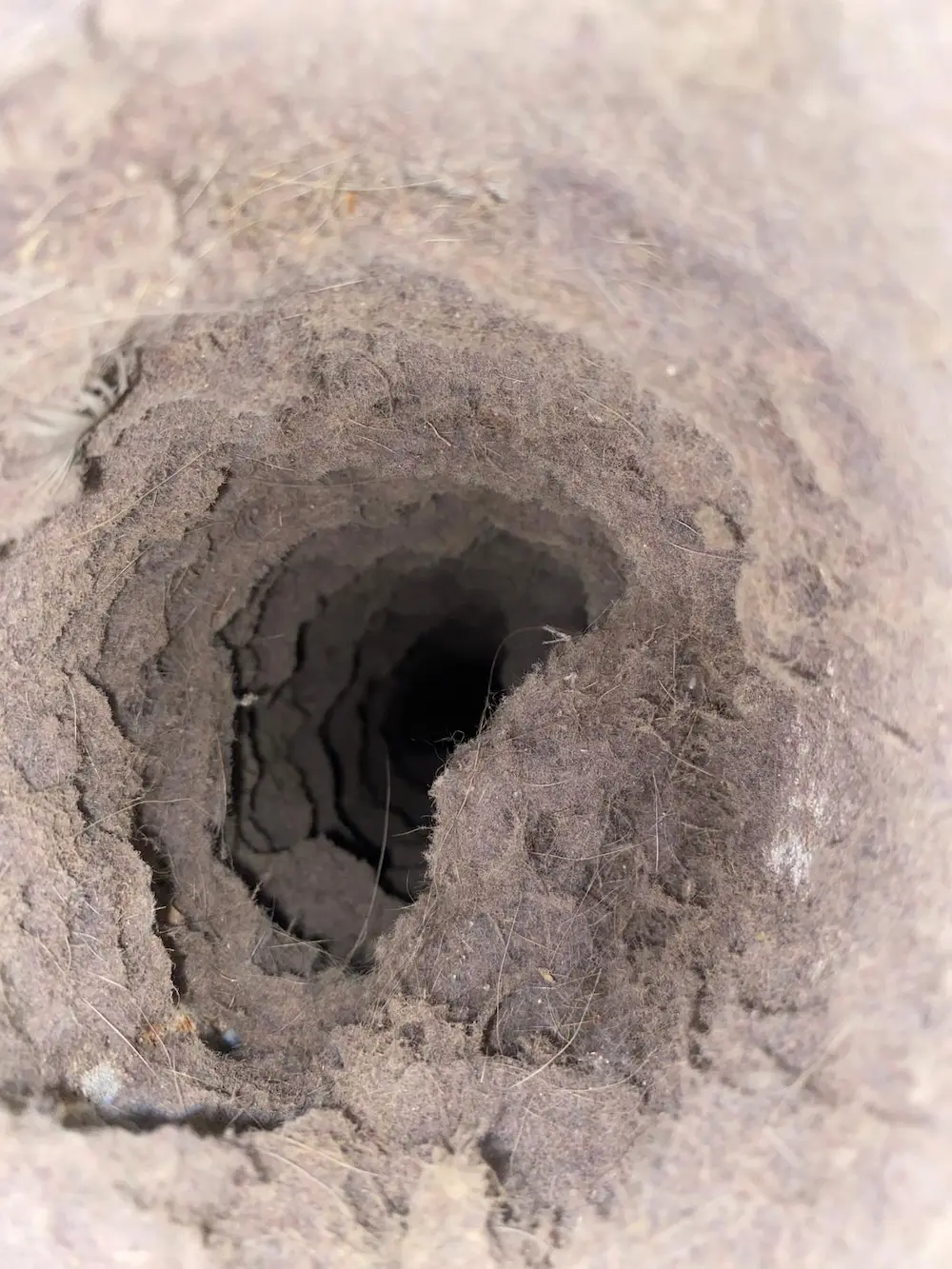
The lint filter is the first layer of protection against buildup. While it does not capture every piece of lint, cleaning it after each load helps maintain proper airflow through the dryer.
A clogged lint filter forces the dryer to work harder because air cannot move freely through the system. Over time, some lint can travel beyond the filter and collect inside the dryer vent. Cleaning the filter takes only a few seconds but plays an important role in maintaining dryer performance.
Pay Attention to Longer Drying Times
One of the earliest signs of a clogged or restricted dryer vent is when clothes take longer than normal to dry.
If a load that usually finishes in one cycle suddenly requires extra time, the dryer may not be releasing hot, moist air efficiently. The problem is often not the dryer itself but a vent system that is blocked with lint or has poor airflow. Other warning signs may include:
- The dryer feels unusually hot during operation
- Clothes come out hotter than normal
- The laundry room feels humid
- The outside vent has weak airflow
These signs indicate that the dryer vent may need inspection and cleaning. If your vent line runs unusually far or has several bends, restricted airflow can become a recurring issue even after cleaning, which we explain in how to know if your dryer vent line is too long or has too many turns.
Make Sure the Dryer Vent Exhausts Outside
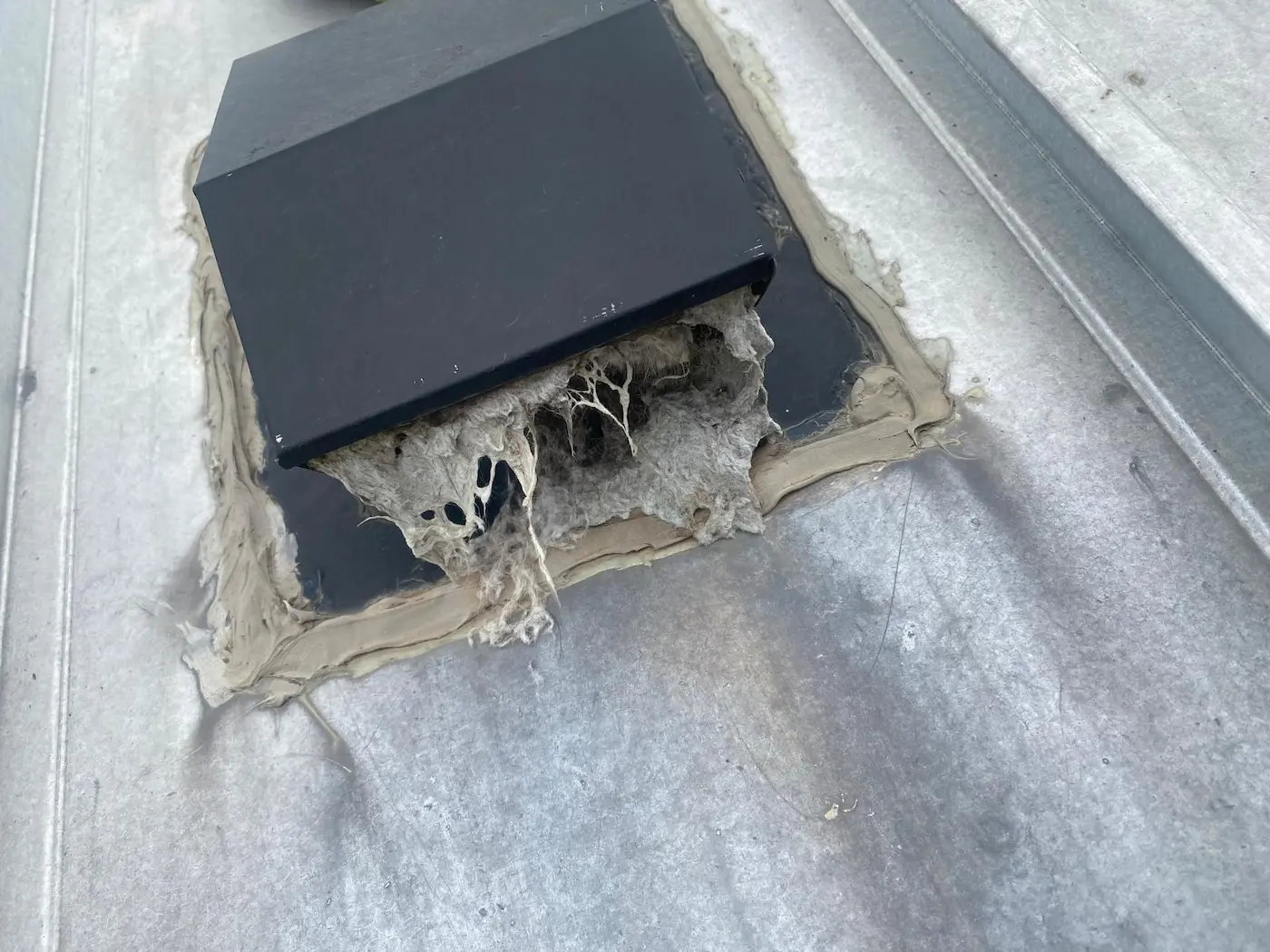
A properly installed dryer vent should release air outdoors. It should not vent into an attic, crawl space, garage, or another enclosed area.
When dryer exhaust is released indoors, moisture can accumulate and create conditions that contribute to mold growth, odors, and building damage. The vent termination outside your home should also remain clear. Leaves, debris, animal nests, or other obstructions can restrict airflow and prevent the dryer from operating properly.
Check the Dryer Vent Material and Connections
The type of vent material used can affect both safety and performance. Smooth metal ducting is recommended because it allows better airflow and reduces places where lint can collect. Flexible plastic or poorly installed vent materials can create restrictions and increase the chance of lint buildup.
The connection behind the dryer should also be inspected. A crushed, disconnected, or damaged vent hose can reduce airflow and allow lint to escape into areas around the appliance. The Association of Home Appliance Manufacturers recommends using proper vent materials, maintaining clear airflow, and following manufacturer guidelines for safe dryer operation. If your current setup uses the wrong material, professional dryer vent installation can correct it.
Never Ignore Burning Smells or Excessive Heat
A burning smell coming from your dryer should never be ignored.
Lint is highly flammable, and when it accumulates in areas exposed to high heat, it can create a dangerous situation. If you notice unusual odors, excessive heat, or the dryer shutting off unexpectedly, stop using the appliance and have the vent system inspected. A dryer that overheats may also experience additional wear on internal components, leading to more frequent repairs.
What to do next: If you smell burning or notice the dryer running unusually hot, stop using it and schedule an inspection before running another load.
Keep the Area Around Your Gas Dryer Clear
The area around your dryer should have proper airflow and remain free of clutter.
Avoid storing items directly on top of the dryer or blocking the area around the vent connection. Keeping the space clean allows you to notice problems such as lint buildup, loose connections, or damaged components. For gas dryers, proper airflow around the appliance is also important for safe operation.
Schedule Regular Dryer Vent Cleaning
Even if you clean your lint filter regularly, lint can still accumulate deeper inside the dryer vent. Over time, this buildup can restrict airflow and reduce dryer performance.
Professional dryer vent cleaning removes lint and debris from areas that are difficult to reach with regular household cleaning tools. Most homeowners benefit from having their dryer vent inspected and cleaned periodically, especially if the dryer is used frequently, the vent line is long, or the home has multiple occupants.
At Go Air Ducts, our dryer vent cleaning service helps remove buildup, improve airflow, and keep your dryer operating more efficiently. Regular maintenance can help prevent common dryer vent problems before they become larger issues.
Additional Safety Tips for Gas Dryer Owners
Beyond cleaning and maintenance, homeowners should follow safe dryer habits every day. Avoid running the dryer when nobody is home for extended periods, follow the manufacturer’s instructions, and make sure carbon monoxide detectors are installed where recommended.
It is also important to have gas appliances inspected if you notice unusual smells, performance changes, or signs of improper operation. Small maintenance steps can make a significant difference in keeping your laundry area safer and your appliance working properly.
Protect Your Home With Professional Dryer Vent Service
A gas dryer depends on proper ventilation to operate safely and efficiently. A clogged or damaged vent can affect drying performance, increase energy use, and create unnecessary risks inside your home.
At Go Air Ducts, we provide professional dryer vent cleaning and air duct services designed to improve airflow and help homeowners maintain a safer, more efficient home environment. Our technicians inspect dryer vent systems, remove lint buildup, and help identify issues that may affect performance.
Contact us today to schedule a dryer vent inspection and keep your dryer operating the way it should.
If you’re dealing with dust, poor airflow, mold in your ducts, or a clogged dryer vent, don’t wait. These issues can affect your health and safety. Go Air Ducts Group are the local experts in air duct cleaning, mold removal, dryer vent cleaning, and attic insulation. Call now for a free inspection and same-day service in Austin and San Antonio.