
🕑 7 min read
How do I know if my dryer vent line is too long or has too many turns?
Warning signs include clothes taking multiple cycles to dry, the dryer or laundry room feeling unusually hot, fast lint buildup, and weak airflow at the outside vent hood. Every bend in the vent adds resistance, so a long or heavily angled route restricts airflow even when the vent is clean.
Table of Contents
- Why Dryer Vent Length and Turns Matter
- Signs Your Dryer Vent Line May Be Too Long
- How Many Turns Are Too Many?
- Common Dryer Vent Installation Problems
- Can Dryer Vent Cleaning Fix a Long Vent Problem?
- How to Improve Dryer Vent Performance
- When Should You Schedule a Dryer Vent Inspection?
- Keep Your Dryer Running Efficiently With Go Air Ducts
- Frequently Asked Questions (FAQ)
Your dryer depends on proper airflow to remove hot, moist air from your clothes and send it outside your home. When the dryer vent line is too long or has too many bends, that airflow becomes restricted. The dryer may take longer to finish each load, run hotter than normal, and collect lint faster inside the vent system.
Many homeowners assume a slow dryer means the appliance itself is failing. However, the problem is often the vent route. A dryer vent that travels too far or includes too many turns can make it difficult for air to move efficiently.
Understanding the signs of a poorly designed dryer vent line can help you determine when professional inspection or cleaning may be needed.
Why Dryer Vent Length and Turns Matter
A dryer pushes warm air through the exhaust duct and releases it outside. The easier that air can move through the vent, the better the dryer can remove moisture.
When a vent line is long or has multiple turns, air has more resistance while traveling through the duct. This slows airflow and gives lint more opportunities to collect inside the vent.
According to dryer vent installation guidelines, dryer exhaust ducts should be kept as short and straight as possible. The maximum allowable length is generally based on the duct path, with reductions required for bends because each turn adds resistance to airflow. A vent system with unnecessary bends may not look like a problem from the outside, but it can affect dryer performance every time you run a load.
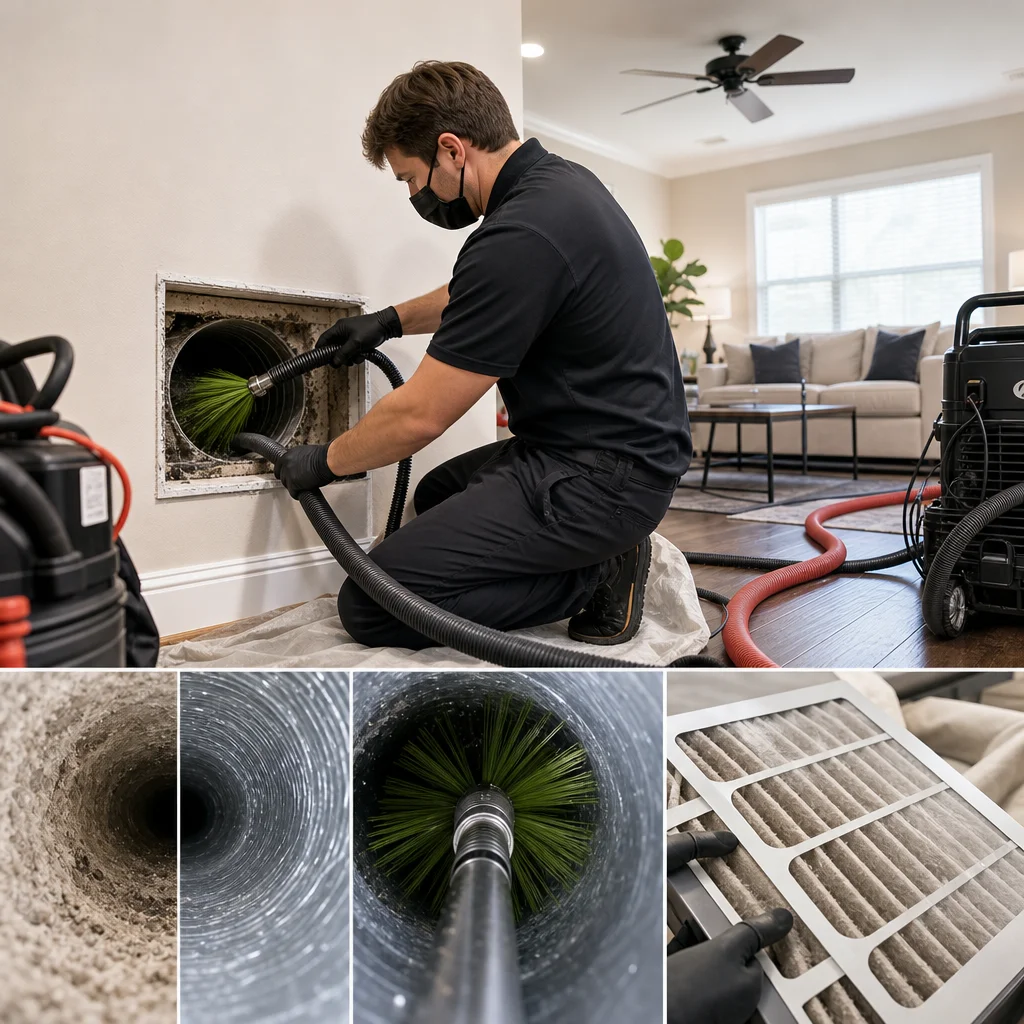
Signs Your Dryer Vent Line May Be Too Long
A restricted vent line usually shows up in how your dryer performs, not just in how it’s installed. Watch for the following patterns.
Clothes Take Much Longer to Dry
The most common sign of a restricted dryer vent is longer drying time. If your dryer used to complete a load in one cycle but now requires multiple cycles, the vent line may not be allowing enough air to escape.
A dryer does not only need heat to dry clothes. It also needs strong airflow to remove moisture. When the vent cannot release humid air efficiently, the dryer has to work longer to achieve the same results. Long drying times can also increase energy use and put additional stress on the dryer components.
The Dryer Feels Extremely Hot
A dryer naturally produces heat, but it should not feel excessively hot during normal operation.
When airflow is restricted by a long vent line, too many turns, or lint buildup, heat can become trapped inside the dryer. This can cause the appliance to run hotter than intended. If you notice that your clothes, dryer door, or laundry area feels unusually hot after a cycle, it may be a sign that the exhaust system is not working properly. These same warning signs apply to gas dryers, where proper airflow is also part of safe operation, covered in gas dryer vent safety tips every homeowner should follow.
Lint Builds Up Quickly
Some lint is normal after drying clothes, but excessive lint buildup can indicate an airflow problem.
When air moves slowly through the vent, lint has more chances to settle inside the duct. Over time, this can create even more restriction and reduce dryer performance. A long vent path with multiple elbows is especially difficult to keep clean because lint can collect in areas that are harder to reach.
The Outside Vent Has Weak Airflow
One simple way to check your dryer vent performance is to look at the outside exhaust opening while the dryer is running.
You should feel warm air leaving the vent with noticeable airflow. If there is little air movement, the vent may be restricted by excessive length, too many turns, lint buildup, or another blockage. A weak exhaust flow means moisture and heat are not leaving your home efficiently.
How Many Turns Are Too Many?
There is no single number that works for every home because the acceptable vent length depends on the dryer manufacturer’s requirements, duct size, and installation conditions.
However, every turn adds resistance to airflow. A 90-degree bend creates more restriction than a straight section of duct, which is why professional installers try to keep dryer vent routes as direct as possible.
For example, a dryer located far away from an exterior wall may require a longer vent path. If that path also includes several sharp turns around walls, floors, or ceilings, the airflow can become significantly reduced. The goal is not simply having the shortest possible vent. The goal is creating a safe and efficient route that allows air to move freely.
Common Dryer Vent Installation Problems
Many dryer vent issues begin during installation. A vent route may have been designed around the home’s layout rather than airflow requirements. Some common problems include:
- Using too many elbows to navigate around obstacles, which restricts airflow
- Flexible duct that becomes crushed or bent behind the dryer, creating additional resistance
- Poorly connected sections that allow lint to escape and reduce efficiency
- A vent that runs through cold areas such as attics or crawl spaces, which may cause condensation and moisture issues inside the duct
Proper dryer vent installation uses the right materials and supports good airflow from the dryer to the outside termination.
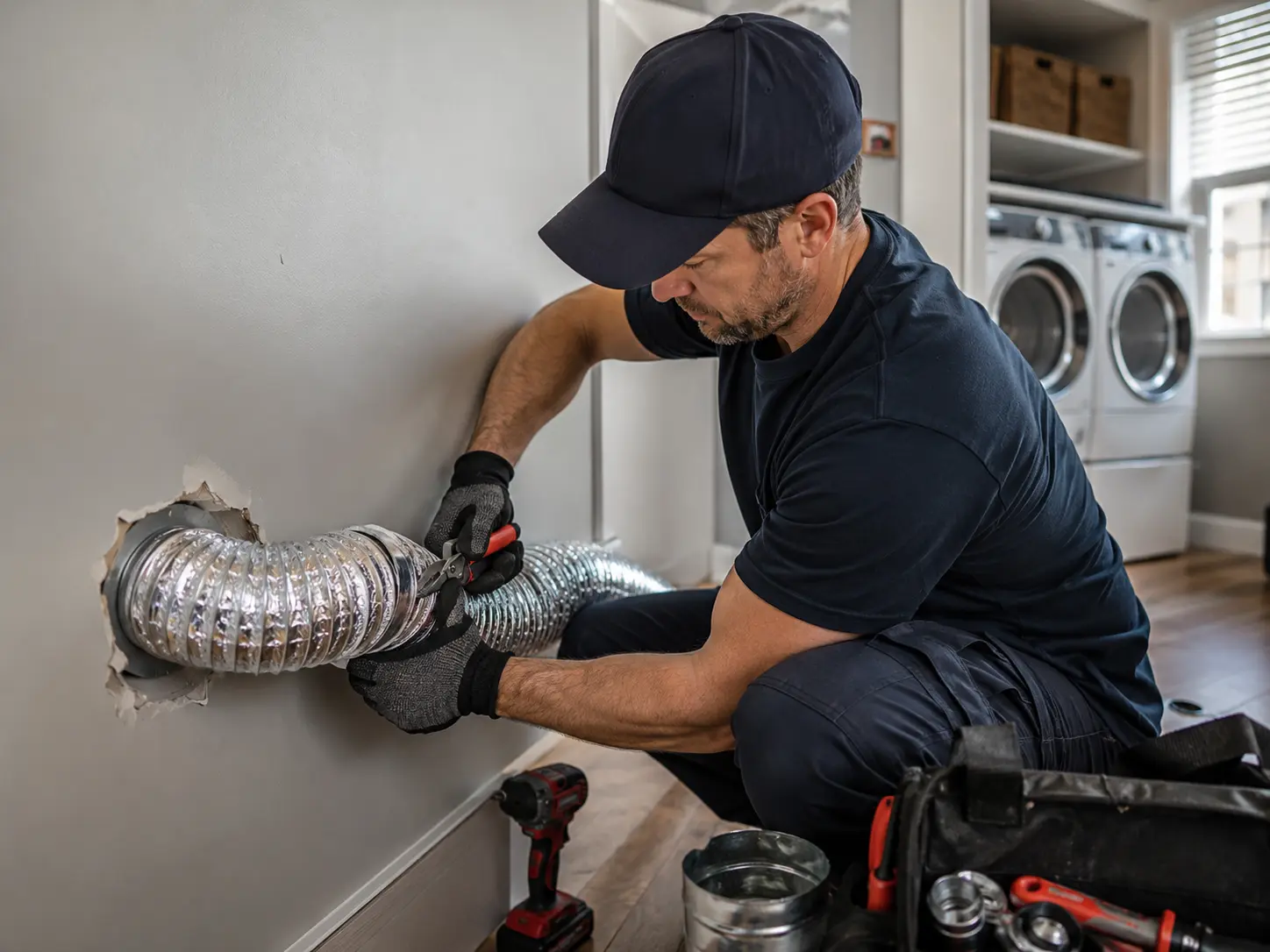
Can Dryer Vent Cleaning Fix a Long Vent Problem?
Professional dryer vent cleaning can remove lint buildup and improve airflow, but it cannot change the design of an overly long or poorly routed vent.
If your vent line is longer than recommended or has excessive bends, cleaning may improve performance temporarily, but the underlying airflow restriction may remain. During a dryer vent inspection, a technician can evaluate the condition of the vent, check for blockages, and determine whether the problem is caused by buildup or the vent layout itself.
At Go Air Ducts, our dryer vent cleaning service helps remove accumulated lint and debris that can restrict airflow and affect dryer performance. When the route itself is the issue, our dryer vent rerouting service can shorten the path or reduce the number of turns.
What to do next: If cleaning has improved airflow before but the problem always comes back within months, ask about rerouting rather than repeating the same cleaning cycle.
How to Improve Dryer Vent Performance
If your dryer vent line has a difficult route, there are several ways homeowners can improve performance.
Regular dryer vent cleaning helps prevent lint from building up inside the system. Keeping the lint filter clean after every load also improves airflow. It is also important to avoid pushing the dryer too tightly against the wall, which can crush the transition duct behind the appliance.
If the vent path itself is the problem, a professional may recommend rerouting the duct to create a shorter, straighter path.
When Should You Schedule a Dryer Vent Inspection?
A dryer vent inspection is recommended if you notice repeated drying cycles, excessive heat, burning smells, weak airflow, or frequent lint buildup.
These issues should not be ignored because restricted dryer vents can affect appliance performance and create unnecessary safety concerns. A professional dryer vent inspection can identify whether the problem is a clogged vent, damaged duct, improper installation, or a vent line that is simply too long for the current setup.
Keep Your Dryer Running Efficiently With Go Air Ducts
A dryer vent that is too long or has too many turns can quietly reduce your dryer’s performance. Longer drying times, excessive heat, and frequent lint buildup are all signs that your vent system may need attention.
At Go Air Ducts, we provide professional dryer vent cleaning and inspection services to help homeowners improve airflow, reduce buildup, and maintain safer dryer operation. Our team can evaluate your dryer vent system and recommend the right solution based on your home’s setup.
Contact us today to schedule a dryer vent inspection and make sure your dryer vent system is working efficiently.
If you’re dealing with dust, poor airflow, mold in your ducts, or a clogged dryer vent, don’t wait. These issues can affect your health and safety. Go Air Ducts Group are the local experts in air duct cleaning, mold removal, dryer vent cleaning, and attic insulation. Call now for a free inspection and same-day service in Austin and San Antonio.