
🕑 7 min read
How can I tell if my ductwork has air leaks?
Signs of duct air leaks include uneven room temperatures, higher energy bills without more usage, weak airflow from vents, and dust that returns quickly after cleaning. Because ducts are hidden in attics and walls, a professional inspection is the most reliable way to confirm and locate leaks.
Table of Contents
- What Causes Air Leaks in Ductwork
- Signs Your Ductwork May Have Air Leaks
- How Professionals Identify Duct Leaks
- Why Repairing Air Leaks Is Important
- Can Duct Leaks Affect Indoor Air Quality?
- How to Prevent Future Duct Problems
- Schedule an Air Duct Inspection With Go Air Ducts
- Frequently Asked Questions (FAQ)
Your HVAC system depends on your ductwork to move conditioned air throughout your home. When your ducts are properly sealed, heated or cooled air travels efficiently from your HVAC unit to each room. However, when gaps, cracks, or loose connections develop, some of that air escapes before it reaches its destination.
Many homeowners assume comfort issues are caused by an aging air conditioner or furnace, but the problem may actually be inside the duct system. Air leaks can reduce airflow, increase energy costs, and make certain areas of your home difficult to keep comfortable.
What to do next: If you’ve noticed uneven temperatures or a spike in your energy bills, read through the signs below before assuming your HVAC unit itself is failing.
What Causes Air Leaks in Ductwork
Ductwork is built to withstand years of heating and cooling cycles, but it is not immune to damage. Over time, duct connections can loosen, seals can deteriorate, and materials can develop cracks or holes.
Leaks often occur at duct joints, around connections near vents, or in areas where ducts pass through attics, crawl spaces, and other unfinished areas. Because much of your duct system is hidden, these problems can go unnoticed for a long time.
When air escapes through these openings, your HVAC system must work harder to maintain the temperature set on your thermostat. The result is wasted energy and inconsistent comfort throughout your home.
The U.S. Department of Energy explains that sealing duct leaks can improve HVAC efficiency by helping more conditioned air reach the rooms where it is needed.
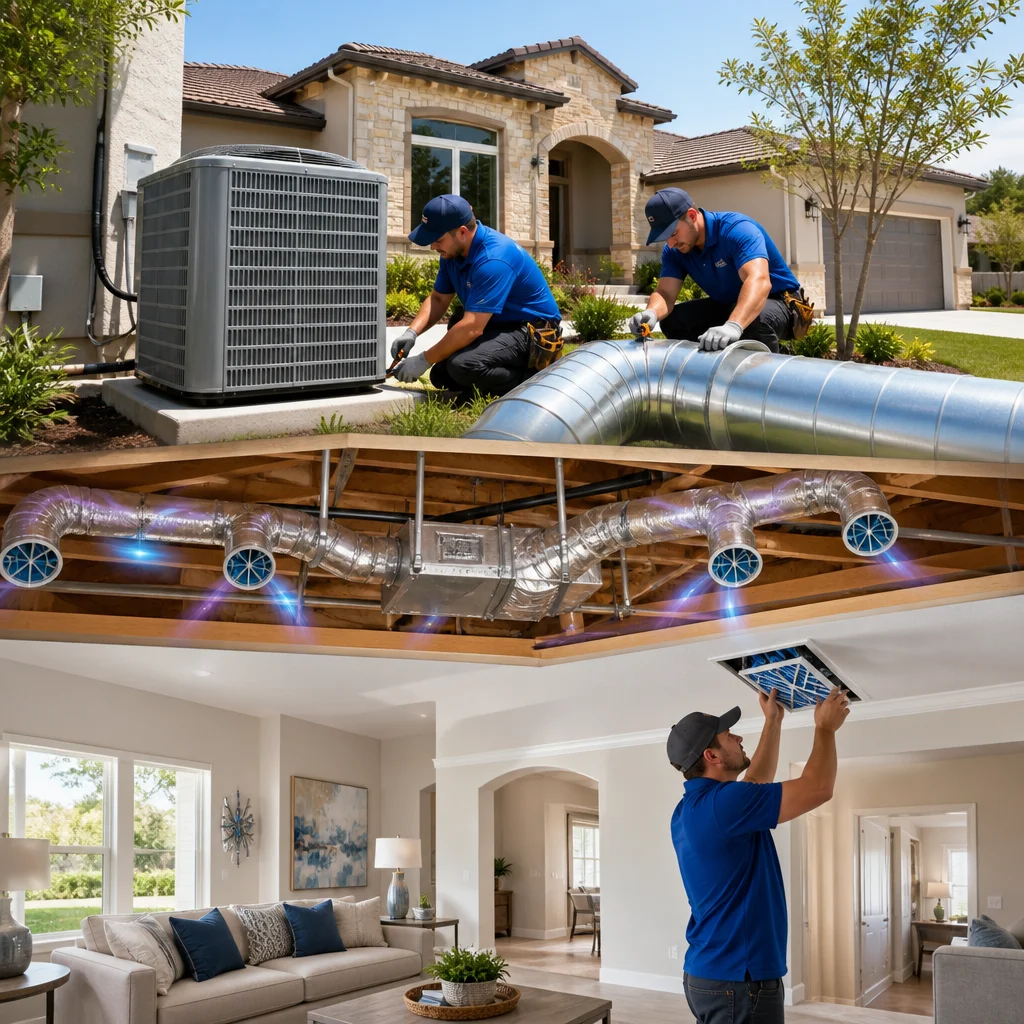
Signs Your Ductwork May Have Air Leaks
Because most ductwork is hidden behind walls, ceilings, and attic floors, homeowners rarely see a leak directly. Instead, leaks tend to show up as one or more of the following patterns.
Uneven Temperatures Throughout Your Home
One of the most common signs of duct leaks is having rooms that never seem to reach the right temperature. You may notice that one area of your home feels comfortable while another room remains too warm in the summer or too cold in the winter.
This happens because air is escaping before it reaches certain parts of the home. Instead of delivering the full amount of heated or cooled air, your HVAC system loses efficiency along the way. If adjusting the thermostat does not solve the problem, the duct system may need to be inspected.
Higher Energy Bills Without Increased Usage
A sudden increase in your energy costs can be another warning sign. When ductwork leaks, your HVAC system has to operate longer to compensate for lost air.
The equipment may appear to be working normally, but it is using more energy because it is not distributing conditioned air efficiently. Over time, this extra workload can also contribute to additional wear on HVAC components. ENERGY STAR recommends addressing duct leakage as part of improving heating and cooling efficiency in homes.
Weak Airflow From Your Vents
If certain vents have noticeably weaker airflow than others, leaking ducts could be one possible cause.
While airflow problems can also come from clogged filters or blocked vents, damaged duct connections can prevent air from reaching specific rooms. A professional inspection can determine whether the issue is caused by leaks or another HVAC problem.
Increased Dust or Poor Air Quality
Leaking ducts can sometimes affect the air circulating inside your home. When return air ducts have gaps, they may pull air from areas like attics or crawl spaces where dust and other particles are present.
This additional debris can enter the HVAC system and circulate through your living spaces. If you notice more dust buildup than usual, or your home becomes dusty again quickly after cleaning, your ductwork may need attention. We cover this pattern in more detail in why some homes get dusty again fast after duct cleaning.
How Professionals Identify Duct Leaks
Finding duct leaks is not always simple because much of the duct system is hidden behind walls, ceilings, or in difficult-to-access areas.
A professional technician examines accessible duct sections, checks connections, and looks for signs of damage or air loss. In some cases, specialized testing methods can help identify where air is escaping and determine the severity of the problem.
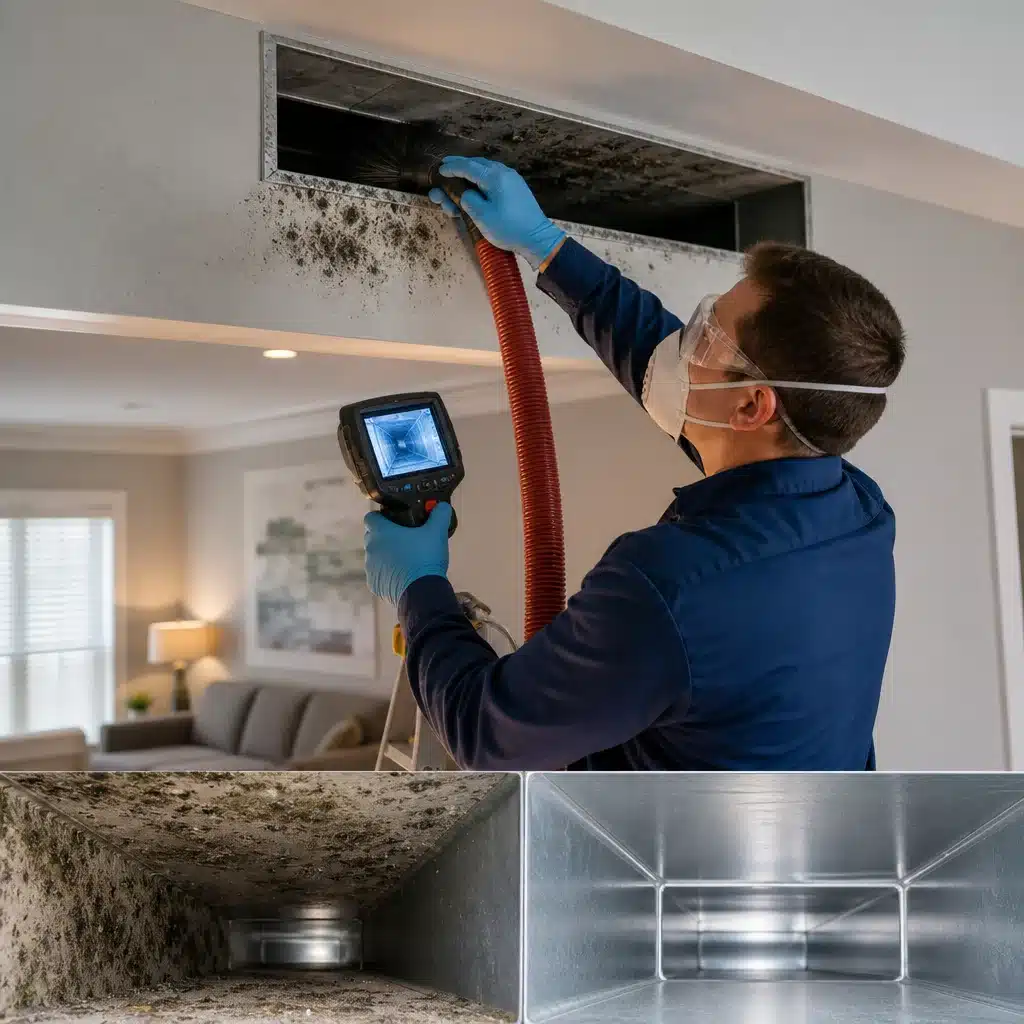
At Go Air Ducts, we inspect duct systems to locate issues affecting airflow and recommend solutions based on your home’s needs. Our air duct repair service helps address damaged duct sections, loose connections, and other problems that may reduce HVAC performance.
What to do next: If you can safely access your attic or crawl space, look for disconnected joints or torn flex duct. If you’re not sure what you’re looking at, that’s exactly what a professional inspection is for.
Why Repairing Air Leaks Is Important
Ignoring duct leaks can lead to ongoing comfort issues and unnecessary energy waste. Even if your HVAC system is operating correctly, damaged ductwork can prevent it from delivering the results you expect.
Proper duct repairs help your system move air more effectively, maintain more consistent temperatures, and reduce the amount of energy lost through hidden leaks. Homes with sealed, well-maintained ducts consistently see lower cooling and heating costs, a pattern we’ve documented in detail in how HVAC duct sealing and cleaning cuts energy bills by 25% in Texas.
However, duct repair is not just about sealing the first visible gap. A complete solution requires identifying where air is escaping and addressing the underlying cause. If your ductwork has extensive damage beyond a simple leak, it may be worth comparing repair against full replacement, which we break down in duct sealing vs. duct replacement: which one saves more money.
Can Duct Leaks Affect Indoor Air Quality?
Yes, leaking ducts can impact indoor air quality, especially when leaks occur in areas where dust, insulation particles, or other contaminants may be present.
Return duct leaks are especially important because they can pull unwanted air into the HVAC system before it is distributed throughout your home. This is different from dirty ductwork picking up mold, which we explain in black mold vs. dust: key differences you should know.
Along with proper duct sealing, regular air duct cleaning can help remove buildup inside your ventilation system and support cleaner airflow.
How to Prevent Future Duct Problems
Regular HVAC maintenance is one of the best ways to catch duct issues before they become larger problems. Replacing air filters, keeping vents clear, and scheduling inspections when airflow changes can help protect your system.
Homeowners should also pay attention to warning signs such as unusual noises, uneven temperatures, or changes in energy costs. Addressing these issues early, with services like professional duct sealing, can prevent more expensive repairs later.
Schedule an Air Duct Inspection With Go Air Ducts
Air leaks in your ductwork can quietly reduce your HVAC system’s performance and make your home less comfortable. If you are experiencing uneven temperatures, weak airflow, or rising energy bills, the problem may be hidden inside your duct system.
At Go Air Ducts, we provide professional air duct services, including duct inspections, repairs, and cleaning solutions designed to improve airflow and comfort. Our technicians help homeowners identify duct problems and restore better HVAC performance with reliable service.
Contact us today to schedule an inspection and find out if leaking ductwork is affecting your home’s comfort and efficiency.
If you’re dealing with dust, poor airflow, mold in your ducts, or a clogged dryer vent, don’t wait. These issues can affect your health and safety. Go Air Ducts Group are the local experts in air duct cleaning, mold removal, dryer vent cleaning, and attic insulation. Call now for a free inspection and same-day service in Austin and San Antonio.