
🕑 6 min read
Why does my home get dusty again so quickly after duct cleaning?
Fast dust buildup after duct cleaning usually means new dust is still entering the system, often through a leaking return duct, a poorly fitted air filter, or uncleaned components like the blower compartment. Another cleaning won't help until that entry point is found and fixed.
Table of Contents
- Why Does Dust Come Back After Air Duct Cleaning?
- Leaking Return Ducts Can Pull In Dust
- Your HVAC System Components May Still Have Dust
- Household Dust Sources Can Also Play a Role
- How to Know If Your Ducts Are Part of the Problem
- Should You Get Another Duct Cleaning?
- How to Reduce Dust After Duct Cleaning
- Schedule an Air Duct Inspection With Go Air Ducts
- Frequently Asked Questions (FAQ)
You clean your home, schedule an air duct cleaning, and expect the dust problem to improve. But then, only a short time later, dust starts appearing on furniture, vents, and surfaces again.
This can be frustrating, especially when you have already invested in professional cleaning. However, fast dust buildup after duct cleaning does not always mean the cleaning was ineffective. In many cases, the real issue is that something is still introducing dust into your HVAC system.
Your ductwork is part of a larger airflow system. If dust is entering through leaks, poor filtration, or other HVAC issues, it can continue circulating throughout your home even after the ducts have been cleaned.
Why Does Dust Come Back After Air Duct Cleaning?
Air duct cleaning removes accumulated dust, debris, and buildup from inside your duct system. However, cleaning only addresses the material that is already there. If new dust is entering the system after cleaning, the problem will continue.
One common reason is that your HVAC system may be pulling in dusty air from areas like attics, crawl spaces, garages, or unfinished spaces. Leaks on the return side of the duct system can allow unwanted particles to enter the airflow before the air reaches your filter. The result is a cycle where dust is removed, but the source of the dust remains.
What to do next: Before scheduling another cleaning, check whether your HVAC filter is the right size and properly seated. A filter that lets air bypass it can’t catch what it never touches.
Your HVAC filter plays an important role in capturing airborne particles before they move through your home. However, a filter only works when air actually passes through it. If the filter is the wrong size, installed incorrectly, or has gaps around the edges, air can bypass the filter completely. That means dust and debris can continue entering your HVAC system even with a clean filter in place. A dirty filter can also restrict airflow and reduce system performance.
Leaking Return Ducts Can Pull In Dust
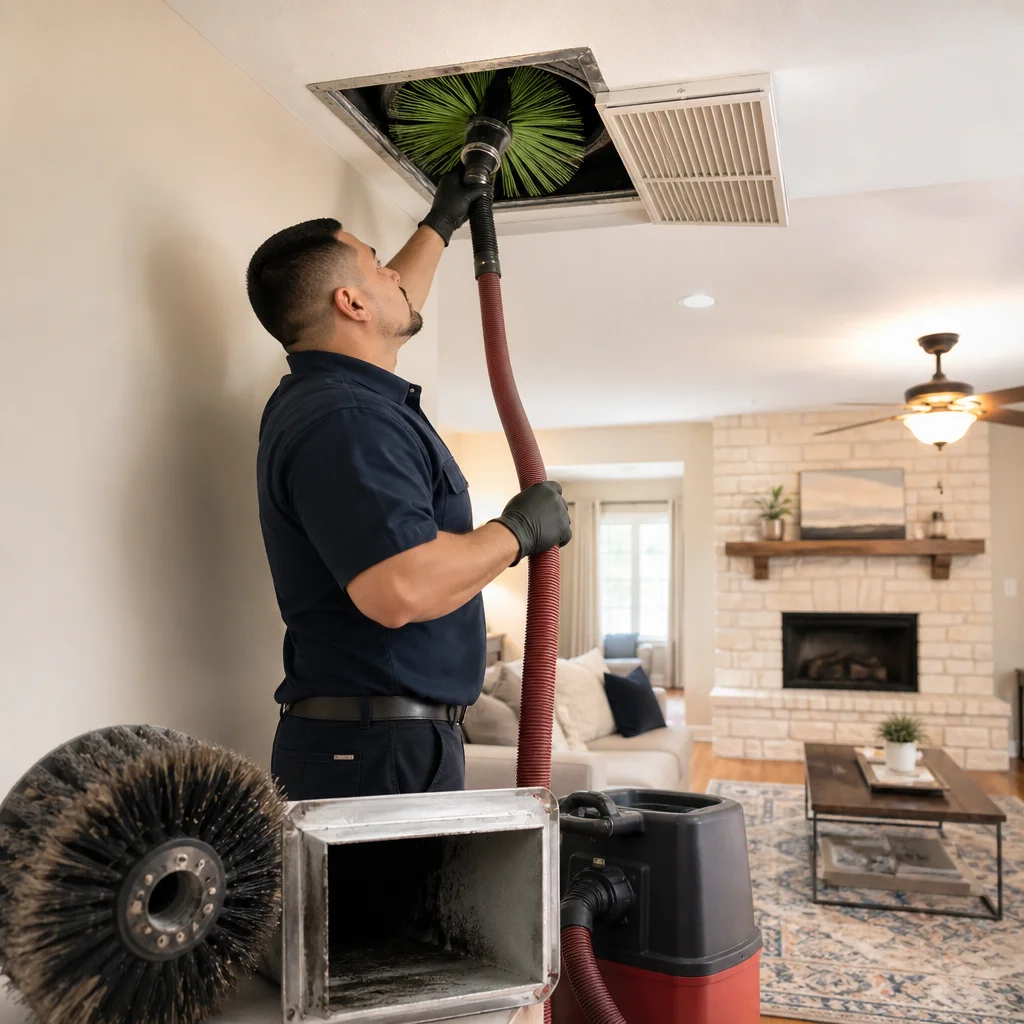
One of the most overlooked causes of recurring dust is leaking return ductwork. Your return ducts pull air back into your HVAC system. If there are gaps or cracks in these areas, the system can draw in air from places it should not, including dusty attics, crawl spaces, or wall cavities.
This is different from simply having dirty ducts. The issue is that new contaminants are continuously entering the system. If your home becomes dusty again shortly after cleaning, especially when the HVAC system is running, checking for duct leaks may be more important than scheduling another cleaning. We cover the warning signs of leaking ductwork in more detail in how to tell if you have air leaks in your ductwork.
The U.S. Department of Energy recommends proper duct sealing because leaks can reduce HVAC efficiency and allow conditioned air to escape.
Your HVAC System Components May Still Have Dust
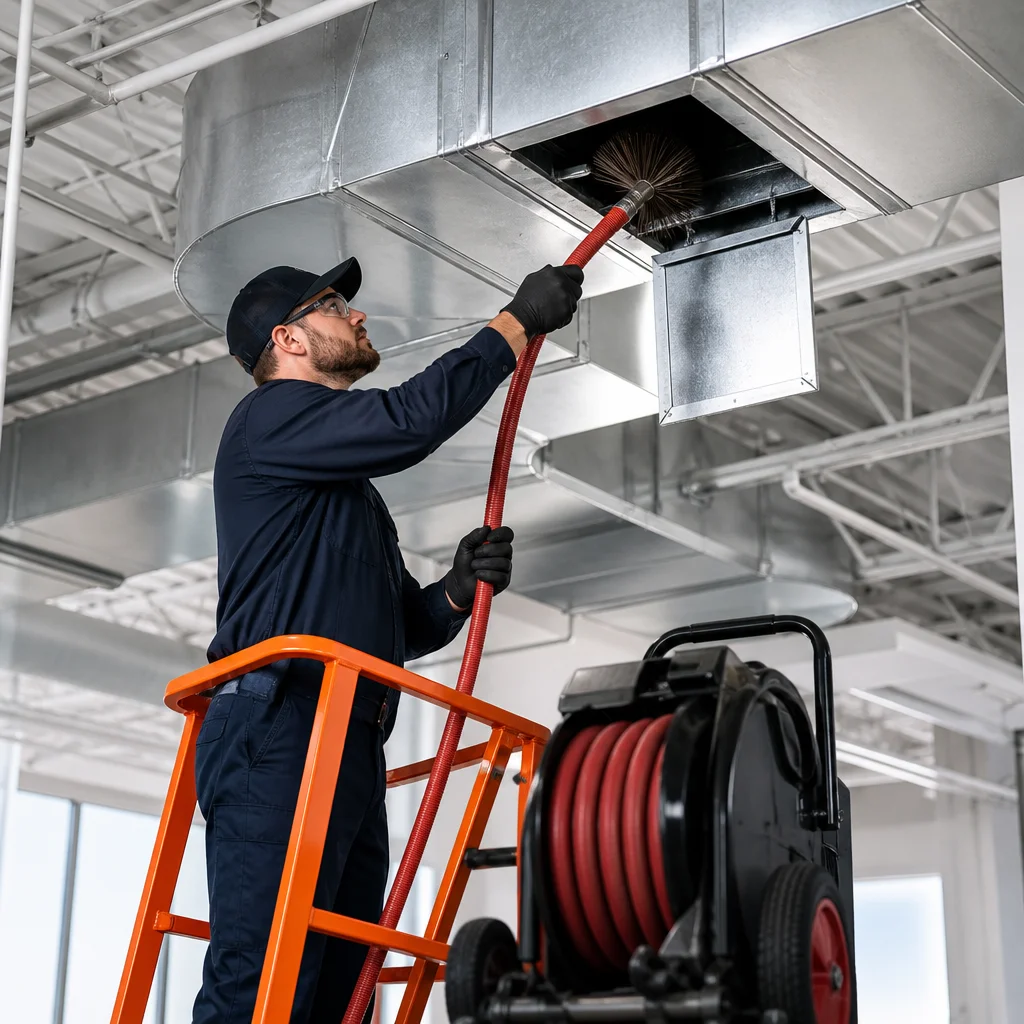
Duct cleaning focuses on the ductwork, but your HVAC system includes several other components that can collect dust over time. Parts such as the blower compartment, air handler, and other internal areas can hold debris that may continue moving through your home when the system operates.
If these areas are not inspected, you may notice dust returning even after the visible duct surfaces have been cleaned. A complete evaluation helps determine whether the issue is inside the ductwork or coming from another part of the HVAC system.
Household Dust Sources Can Also Play a Role
Not all dust comes from your air ducts. Homes naturally create dust from everyday activities. Furniture fabrics, carpets, pets, clothing fibers, outdoor particles, and normal household activity all contribute to dust buildup.
If your home has pets, recent remodeling, open windows, or high foot traffic, dust may return faster even after a professional cleaning. The goal is not to eliminate all dust, because that is unrealistic. The goal is to reduce unnecessary dust circulation and identify problems that are causing excessive buildup.
How to Know If Your Ducts Are Part of the Problem
There are a few signs that your HVAC system may be contributing to fast dust buildup. If you notice dust appearing mainly after your HVAC system turns on, visible debris around vents, unusual odors when the system runs, or certain rooms collecting more dust than others, your duct system may need inspection.
Another clue is when you clean surfaces frequently, but the dust returns within days instead of weeks. This often indicates that dust is actively being introduced or circulated rather than simply settling naturally.
Should You Get Another Duct Cleaning?
If your home becomes dusty again quickly, another duct cleaning may not solve the problem unless the cause is identified first. Cleaning the ducts again may remove some buildup, but if there is a leaking return duct, poor filter fit, or another source introducing dust, the same issue can happen again.
A better approach is to inspect the entire HVAC airflow system and determine why dust is returning. At Go Air Ducts, we help homeowners identify issues affecting their indoor air quality and HVAC performance. Our air duct cleaning service focuses on removing dust and debris buildup while helping homeowners understand possible causes of recurring problems.
What to do next: If dust returns within days rather than weeks, treat that as a sign to schedule an inspection, not just another cleaning.
How to Reduce Dust After Duct Cleaning
Keeping your home cleaner after duct cleaning requires more than just removing existing dust. Regular HVAC maintenance and good indoor habits can help maintain better results.
Changing your air filter on schedule, keeping return vents clear, vacuuming regularly, and addressing duct leaks with professional duct sealing can all help reduce the amount of dust circulating through your home. If you recently completed a renovation, moved into a new home, or noticed a sudden increase in dust, it may also be worth having your HVAC system inspected.
Schedule an Air Duct Inspection With Go Air Ducts
If dust keeps coming back soon after cleaning, the problem may not be your cleaning routine. It may be a hidden HVAC issue that continues introducing dust into your home.
At Go Air Ducts, we provide professional air duct cleaning and HVAC-related services designed to improve airflow and help homeowners maintain a cleaner indoor environment. We inspect your system, identify potential causes of recurring dust, and recommend solutions based on your home’s needs.
Contact us today to schedule an inspection and find out why dust keeps returning after duct cleaning.
If you’re dealing with dust, poor airflow, mold in your ducts, or a clogged dryer vent — don’t wait. These issues can affect your health and safety. Go Air Ducts Group are the local experts in air duct cleaning, mold removal, dryer vent cleaning, and attic insulation. Call now for a free inspection and same-day service in Austin and San Antonio.