
🕑 13 min read
What does mold remediation with HVAC installation involve in San Antonio?
When mold affects a failing system, remediation and new HVAC installation are done together, removing contamination and installing clean, sealed equipment. Go Air Ducts provides combined mold remediation and HVAC installation in San Antonio, giving you a fresh start with healthy air and an efficient, mold-resistant system.
Table of Contents
- Why Mold in Your HVAC System Threatens Your Home
- How Poor HVAC Installation Spreads Mold and Contamination
- Our Professional Mold Remediation Process
- HVAC Installation That Prevents Future Mold Growth
- How We Combine Mold Remediation with System Upgrades
- Protecting Your San Antonio Home with Air Duct Cleaning
- Energy Efficiency Meets Indoor Air Quality Protection
- Why Local San Antonio Expertise Matters for Your Home
- Getting Your Free Professional Assessment Today
- Frequently Asked Questions (FAQ)
Why Mold in Your HVAC System Threatens Your Home
San Antonio’s hot, humid climate creates the perfect storm for mold growth in HVAC systems. If you’ve noticed musty odors coming from your vents, visible mold in ducts, or unexplained allergy symptoms indoors, you’re not alone. The combination of moisture, dust, and poor ventilation turns air ducts into breeding grounds for harmful mold colonies that spread throughout your home every time your system runs.
At Go Air Ducts, we’ve remediated hundreds of mold-contaminated HVAC systems across San Antonio. What we’ve learned is that mold in your air ducts isn’t just an air quality problem—it’s a system-wide issue that requires both immediate remediation and long-term prevention through proper installation and maintenance. This guide walks you through exactly what causes mold in HVAC systems, how we eliminate it professionally, and how smart installation choices protect your home for years to come.
Mold thrives wherever moisture and organic material meet. Your air ducts contain both: dust, debris, and pet dander settle on duct surfaces, while humidity from San Antonio’s climate seeps into poorly sealed systems. When your AC runs, it cools air and creates condensation inside ducts, especially if the system isn’t draining properly or if your home’s humidity sits above 50%.
The danger isn’t just discomfort. Mold releases microscopic spores into the air that circulate throughout your home every 20 to 30 minutes. Occupants with allergies, asthma, or compromised immune systems face the most serious risks, but prolonged exposure affects everyone. We’ve talked to families who experienced chronic coughing, sinus infections, and fatigue that disappeared after mold remediation.
Beyond health, mold accelerates duct deterioration. It weakens duct joints, increases microbial growth in insulation, and can eventually damage your HVAC equipment. Mold in air ducts also signals deeper system problems: poor drainage, air leaks, or insufficient airflow that allowed moisture to accumulate in the first place.
Actionable first step: If you detect a musty smell or visible dark spots inside duct openings, stop using recirculated air and switch to fresh intake mode. Call for a professional inspection before the problem spreads further.
How Poor HVAC Installation Spreads Mold and Contamination
Most mold problems we discover in San Antonio homes trace back to installation mistakes, not wear and tear. A system installed without proper slope on condensate drain lines will trap water inside ducts. Unsealed duct seams allow humid outdoor air to infiltrate, and undersized return air systems create negative pressure that pulls unconditioned air into living spaces.
We frequently find systems where the installer didn’t seal transitions between ducts and return plenums, allowing dust and moisture to bypass the filter. Others have inadequate insulation on cold-side ducts, causing condensation to form on the exterior and seep inward. These installation flaws don’t show up on day one; they accumulate over months until mold colonies establish themselves.
Poor indoor humidity control amplifies the problem. If your HVAC system wasn’t sized correctly for San Antonio’s climate, or if the thermostat doesn’t have dehumidification capabilities, moisture lingers in ducts even when the system is operating. We’ve seen homes where a contractor installed an oversized unit that cycles on and off too frequently, preventing proper dehumidification.
Another critical mistake: ductwork routed through unconditioned attics or crawl spaces without vapor barriers. These exposed sections absorb humidity from the surrounding space, creating ideal mold conditions. Proper installation includes sealed, insulated ductwork that keeps cold air cold and prevents condensation on the exterior.
What to do next: Request documentation of your original installation, including duct sizing calculations and insulation specifications. If records are missing, we can conduct a detailed system evaluation to identify installation gaps that may be promoting mold growth.
Our Professional Mold Remediation Process
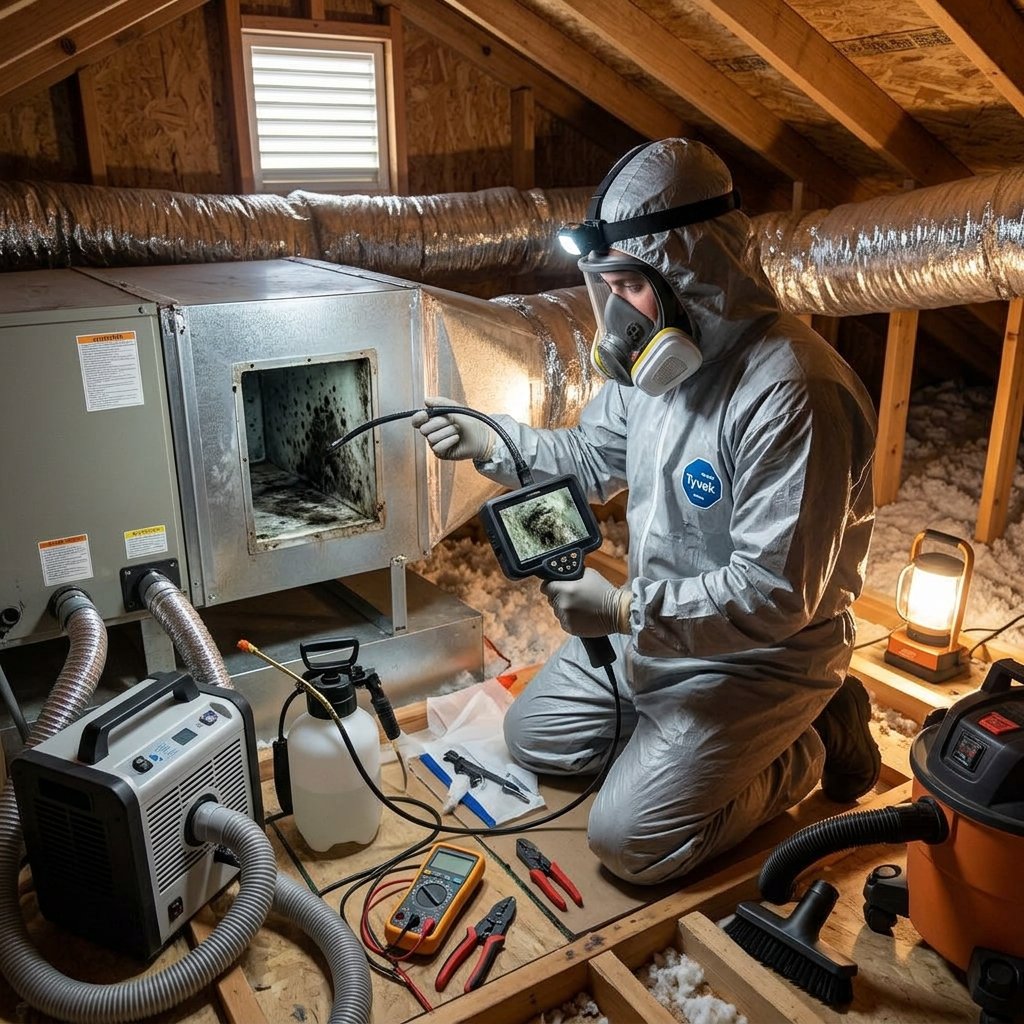
Remediation isn’t just spraying bleach and hoping for the best. Our process starts with a video inspection of your entire duct system to map mold colonies, assess damage, and identify moisture sources. We use specialized equipment to visualize every section of ductwork, including areas homeowners can’t access.
Once we’ve documented the scope, we isolate the HVAC system to prevent spores from spreading during cleaning. We then deploy negative air pressure equipment that captures mold spores and filters them through HEPA filters, preventing them from becoming airborne in your home. For heavily contaminated sections, we may recommend duct replacement instead of cleaning if mold has compromised structural integrity or if contamination is too extensive to safely remove.
During remediation, we clean all accessible surfaces using EPA-approved antimicrobial treatments. We address the underlying moisture source by repairing or replacing faulty condensate drains, sealing duct leaks, and adjusting system operation to control humidity. We also clean and sanitize the return air filter housing, blower wheel, and evaporator coil where mold often hides.
After cleaning, we run the system at full capacity with monitoring equipment to verify that humidity levels drop and spore counts decline. We provide a post-remediation report documenting before-and-after conditions so you have proof of the work completed.
Next step: Schedule your free professional assessment. We’ll inspect your system, identify moisture sources, and discuss whether cleaning, component replacement, or full system upgrade is the best investment for your home.
HVAC Installation That Prevents Future Mold Growth
Once mold is gone, proper installation and maintenance prevent it from returning. When we install new HVAC systems or upgrade existing equipment, we apply best practices specific to San Antonio’s climate.
First, we ensure proper condensate drain slope and design. Drain lines must pitch downward at least one-quarter inch per ten feet of run to prevent water pooling. We use P-traps and overflow pans so if the primary drain clogs, water doesn’t spray inside ducts. We also install drain pans with secondary drain lines that direct water safely away from the system.
Second, we seal every duct seam with mastic and fiberglass mesh tape, not duct tape, which deteriorates over time. Sealed ductwork reduces moisture infiltration and prevents contaminated air from entering supply ducts through gaps and leaks. We test duct tightness using blower door equipment to confirm low leakage rates.
Third, we specify ductwork with proper insulation. Cold-side ducts in unconditioned spaces need R-8 or higher insulation with vapor barriers on the exterior to prevent condensation. This keeps supply air cold and prevents the temperature differential that causes moisture to condense on duct surfaces.
Finally, we pair new equipment with modern thermostats that control humidity independently of temperature. A programmable thermostat with dehumidification can run your AC system longer at night to remove moisture without overcooling your home, keeping indoor humidity between 30 and 50 percent where mold doesn’t grow.
Action item: If your HVAC system is over 12 years old, we recommend a professional load calculation and system audit. This determines whether your current equipment can handle San Antonio’s humidity, and whether an upgrade will improve mold resistance and efficiency.
How We Combine Mold Remediation with System Upgrades
Removing mold without fixing the system that allowed it to grow is like treating a symptom without addressing the disease. We design comprehensive solutions that tackle mold removal and system improvement together.
For example, a homeowner in North Star might discover mold in their return ducts, indicating moisture infiltration. We’ll remediate the mold, then inspect the ductwork and trace the moisture source. If we find unsealed joints and inadequate insulation, we upgrade those sections while the system is already open for cleaning. The same service visit addresses both the immediate problem and the underlying cause.
In other cases, we recommend replacing an undersized or aging unit with a modern, high-efficiency system sized correctly for the home and climate. New equipment includes better dehumidification capabilities, improved drain design, and variable-speed blowers that run longer at lower speeds, removing more moisture per cooling cycle. The investment pays dividends in mold prevention, lower energy bills, and improved comfort.
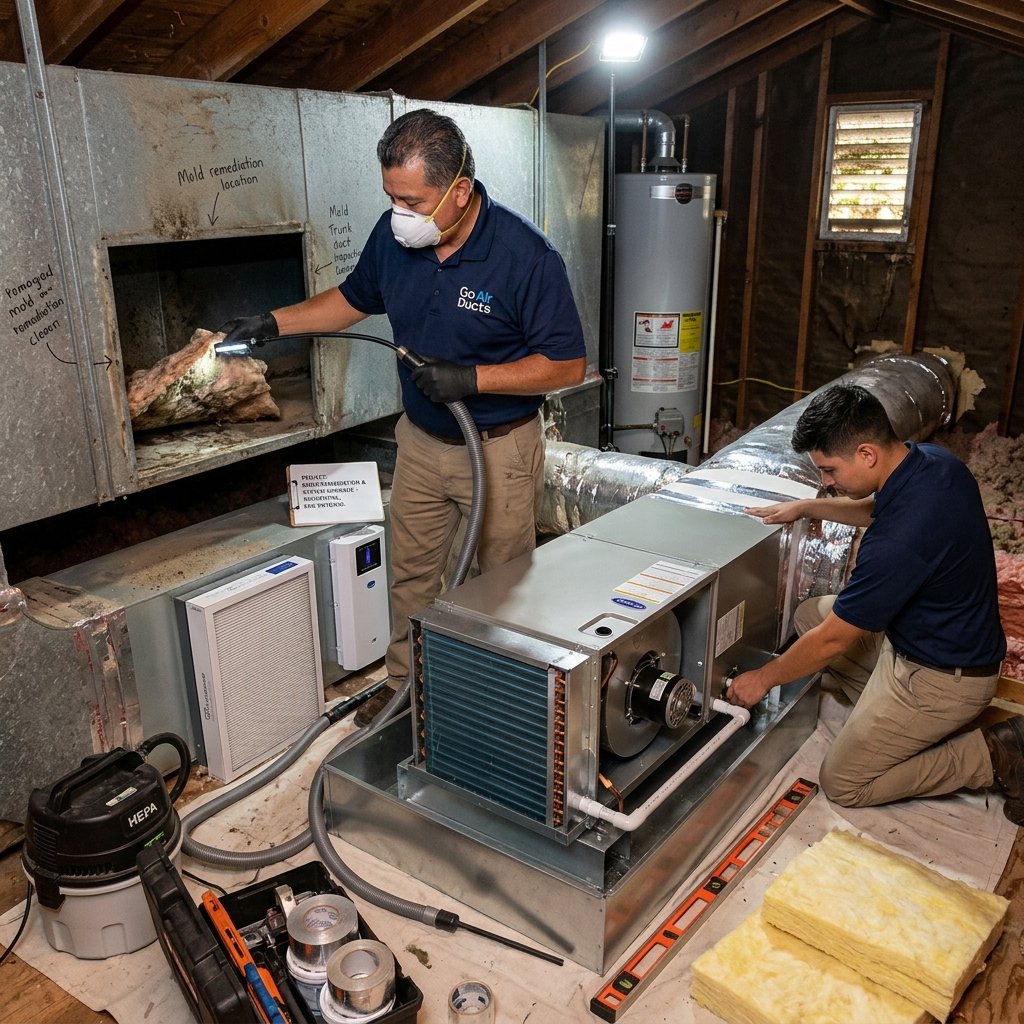
We also coordinate remediation with other air quality improvements. If a customer has mold in ducts and high dust levels, we’ll clean and seal the ducts while upgrading to a higher-efficiency filter and adding duct cleaning before heating season to their annual maintenance schedule. This multi-layer approach keeps air cleaner and drier year-round.
Your next step: Request a comprehensive system evaluation that includes mold assessment, ductwork inspection, and equipment efficiency testing. We’ll provide a prioritized action plan so you know which improvements address mold risk and which improve comfort or efficiency.
Protecting Your San Antonio Home with Air Duct Cleaning
Regular air duct cleaning removes the dust and debris that feed mold growth. Even after professional mold remediation, dust accumulates in ducts over time, creating a new food source for spores that arrive through outdoor air intake or open doors.
We recommend professional duct cleaning every three to five years for most San Antonio homes, or annually if you have pets, allergies, or live near construction. The cleaning process removes settled dust from duct surfaces using negative air pressure and rotating brushes, preventing it from circulating back into your living spaces. This reduces indoor dust levels and removes the organic material that mold needs to colonize.
How our air duct cleaning reduced allergies 67% in Central Texas homes shows the real-world impact. Customers report fewer allergy symptoms, less coughing, and better sleep quality after professional cleaning. Clean ducts also improve HVAC efficiency by reducing airflow restrictions, which lowers energy consumption.
Between professional cleanings, change your furnace filter monthly during cooling season and every three months during winter. A clogged filter forces your system to work harder, reduces dehumidification efficiency, and allows dust to bypass the filter and settle in ducts. High-quality MERV-13 filters capture more particles and provide better protection than standard MERV-8 filters.
Actionable maintenance tip: Mark your calendar for annual duct inspections. Early detection of dust buildup, debris, or moisture issues prevents small problems from becoming expensive mold infestations.
Energy Efficiency Meets Indoor Air Quality Protection
San Antonio homeowners often assume energy efficiency and indoor air quality are separate goals. In reality, they’re deeply connected. A properly functioning HVAC system that controls humidity and removes contaminants runs more efficiently than a system struggling with mold, dust, and moisture problems.
When mold colonizes ducts, the microbial biomass restricts airflow. Your system must work harder to push air through clogged ducts, consuming more electricity. Sealed, clean ducts with proper insulation let air flow freely, reducing motor strain and energy consumption. We’ve seen energy bills drop 15 to 20 percent after mold remediation and duct sealing.
Modern, high-efficiency equipment amplifies these savings. A properly installed SEER 18 unit combined with a sealed, insulated duct system and smart controls can reduce annual cooling costs by 25 to 30 percent compared to older systems. The equipment also removes more moisture per cooling cycle, preventing humidity-related mold and improving comfort.
Energy rebates from local utilities and federal tax credits make upgrades more affordable. Many San Antonio residents qualify for rebates up to $1,500 for upgrading to high-efficiency HVAC systems. Combined with lower operating costs, these incentives recover your investment within five to seven years while you enjoy better air quality from day one.
Financial next step: Ask us about current utility rebates and tax incentives for HVAC upgrades in your area. We’ll calculate your projected energy savings so you can make an informed decision.
Why Local San Antonio Expertise Matters for Your Home
San Antonio’s climate is unique. Summer temperatures exceed 95 degrees regularly, outdoor humidity often hovers above 70 percent, and many homes are older with ductwork that wasn’t built to handle modern cooling demands. National HVAC franchises use one-size-fits-all approaches that don’t account for these local realities.
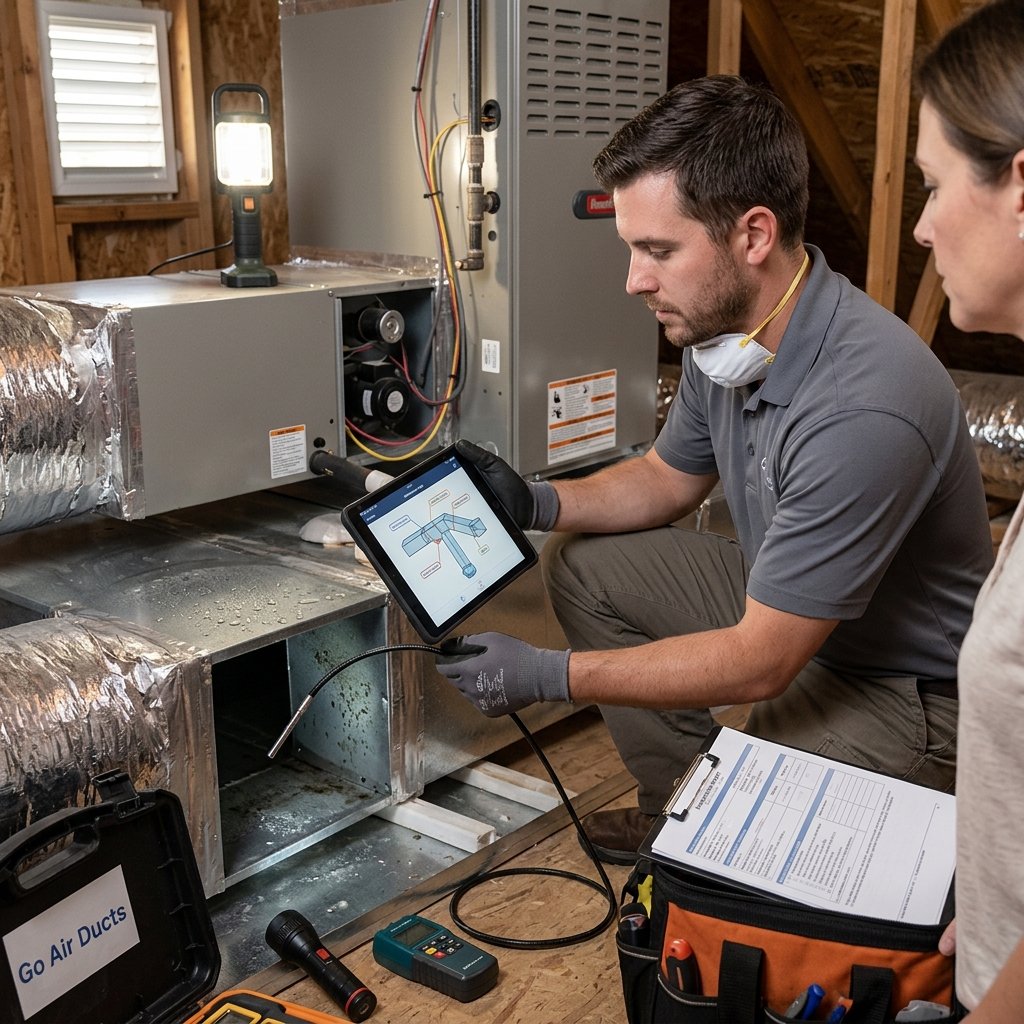
We’ve built our practice on San Antonio-specific knowledge. Our technicians understand how clay soil affects crawl space humidity, how attic temperatures influence duct condensation, and how the city’s older residential construction affects duct routing and insulation practices. This local expertise means we don’t just fix problems; we anticipate them based on patterns we see across thousands of homes in your neighborhoods.
We’re also familiar with San Antonio building codes and the specific moisture challenges in areas like Dominion Hill, North Star, and central Austin properties where we regularly work. We know which installers left systems prone to mold and which installation practices we need to correct for long-term reliability.
Local assurance: We’re based in San Antonio, licensed by the Texas Department of Licensing and Regulation, and backed by local references and online reviews from neighbors you can speak with directly.
Getting Your Free Professional Assessment Today
The best way to determine whether your home needs mold remediation, system upgrades, or both is a professional inspection by someone with direct experience in San Antonio homes.
We offer free estimates that include a detailed duct inspection using video equipment, humidity and air quality measurements, and a written assessment of mold risk, system efficiency, and recommended improvements. There’s no obligation, no pressure, and no sales pitch. You’ll receive honest guidance on whether your situation requires immediate action or can be monitored over time.
If we identify mold, we’ll explain remediation options, equipment upgrades that prevent recurrence, and financing options to make improvements affordable. If your system is functioning well, we’ll recommend a maintenance schedule that keeps mold at bay and maintains efficiency.
Call us today for same-day service availability or book your free assessment online. Mold in HVAC systems isn’t something to wait out; addressing it quickly protects your family’s health and prevents costly damage to equipment and ductwork.
Your San Antonio home deserves clean air and reliable climate control. We’re here to make sure you have both.
If you’re dealing with dust, poor airflow, mold in your ducts, or a clogged dryer vent — don’t wait. These issues can affect your health and safety. Go Air Ducts Group are the local experts in air duct cleaning, mold removal, dryer vent cleaning, and attic insulation. Call now for a free inspection and same-day service in Austin and San Antonio.
Frequently Asked Questions (FAQ)
How quickly can we address mold in my HVAC system?
We typically schedule our mold remediation assessments within 24-48 hours of your contact. Our process begins with a thorough inspection of your ductwork and HVAC components to identify the extent of contamination. Once we’ve completed our evaluation, we’ll provide you with a detailed remediation plan and timeline specific to your San Antonio home’s needs.
Why is proper HVAC installation important for preventing mold growth?
We’ve found that poor installation creates conditions where moisture accumulates in your ducts and system components, allowing mold to thrive. Our certified technicians ensure proper drainage, adequate airflow, and correct insulation during installation to eliminate these moisture-prone environments. When we install your system correctly from the start, we’re protecting your indoor air quality for years to come.
Can we clean my air ducts while addressing mold issues?
Yes, we routinely combine professional air duct cleaning with mold remediation as part of our comprehensive approach. Our cleaning removes debris and mold spores throughout your system, and we follow this with treatments that prevent future contamination. We’ll also evaluate whether your existing HVAC setup needs upgrades or replacement to fully protect your home’s air quality.