
🕑 11 min read
How do professionals detect mold and pests in air ducts?
Technicians use cameras, inspection tools, and experience to spot mold, moisture, and pest activity deep inside ductwork before it spreads through your home. Go Air Ducts performs professional air duct inspections that detect mold and pests early, so problems are addressed before they damage your air quality or system.
Table of Contents
- Why Air Duct Problems Go Unnoticed Until They Become Serious
- Common Signs Your Ducts Need Professional Inspection
- How Mold Grows in Air Ducts and Damages Your Health
- Pest Infestations in HVAC Systems: What You Need to Know
- Our Professional Air Duct Inspection Process
- What Happens After We Identify Mold or Pest Issues
- The Cost of Ignoring Air Duct Problems
- Why DIY Inspections Miss Critical Contamination
- How Clean Ducts Improve Your Home’s Indoor Air Quality
- Protecting Your Family with Regular Professional Maintenance
- Schedule Your Professional Air Duct Inspection Today
- Frequently Asked Questions (FAQ)
Why Air Duct Problems Go Unnoticed Until They Become Serious
Your air ducts are the invisible network distributing heated and cooled air throughout your home. Most homeowners never think about what’s actually traveling through those ducts until a problem becomes impossible to ignore. By then, contamination has often spread far enough to affect your family’s health and your HVAC system’s efficiency.
We’ve inspected thousands of homes across Austin, San Antonio, Dallas, and Houston. What we consistently find is that serious ductwork issues develop quietly, hiding behind walls and above ceilings. Early detection through professional inspection can prevent expensive repairs, protect your indoor air quality, and keep your family safe.
Your ductwork operates out of sight. You can’t see inside the walls or crawl spaces where most ducts run. Problems accumulate gradually: dust settles, moisture builds up, and microbial growth begins long before you notice symptoms.
Most homeowners only call us after experiencing symptoms like persistent coughing, allergy flare-ups, or a musty smell throughout the house. By that point, contamination has typically been circulating for months. The problem isn’t always obvious because symptoms mimic common allergies or seasonal illness.
Additionally, your HVAC system continues running normally even when ducts contain mold or pest debris. The system doesn’t “feel broken” because airflow keeps moving. However, contaminants circulate with every cycle, affecting indoor air quality and potentially damaging sensitive system components.
What to do next: Schedule an inspection if you’ve noticed persistent odors, visible dust buildup around vents, or unexplained respiratory issues in your home.
Common Signs Your Ducts Need Professional Inspection
Certain warning signs suggest your ducts warrant immediate professional attention. Watch for these indicators:
Visible dust and debris around vent registers suggests your ducts are distributing contaminants throughout your home. When you see noticeably more dust settling on furniture shortly after your HVAC runs, contamination inside the ducts is likely the culprit.
Musty or moldy odors when your system cycles on signal potential mold growth. This smell intensifies after periods of humidity or recent water exposure in your home. Don’t assume it’s coming from your basement or bathroom; the source might be lurking in your ductwork.
Reduced airflow or some rooms heating or cooling slower than others can indicate duct blockages from debris, pest nesting, or mold accumulation. If one room consistently feels uncomfortable while others seem fine, a duct inspection often reveals the cause.
Increased energy bills without corresponding changes in usage sometimes point to duct leaks or blockages forcing your system to work harder. We’ve seen homeowners save hundreds monthly after cleaning severely contaminated ducts and sealing leaks.
Allergy symptoms or respiratory issues that worsen indoors or fluctuate with seasonal changes deserve investigation. Children and elderly family members often show symptoms first since their immune systems are more vulnerable.
How Mold Grows in Air Ducts and Damages Your Health
Mold thrives in cool, dark, moist environments. Your air ducts provide the perfect habitat. Moisture accumulates when outdoor humidity gets pulled in through HVAC intake, when condensation forms on duct surfaces during cooling cycles, or when minor water leaks go unnoticed.
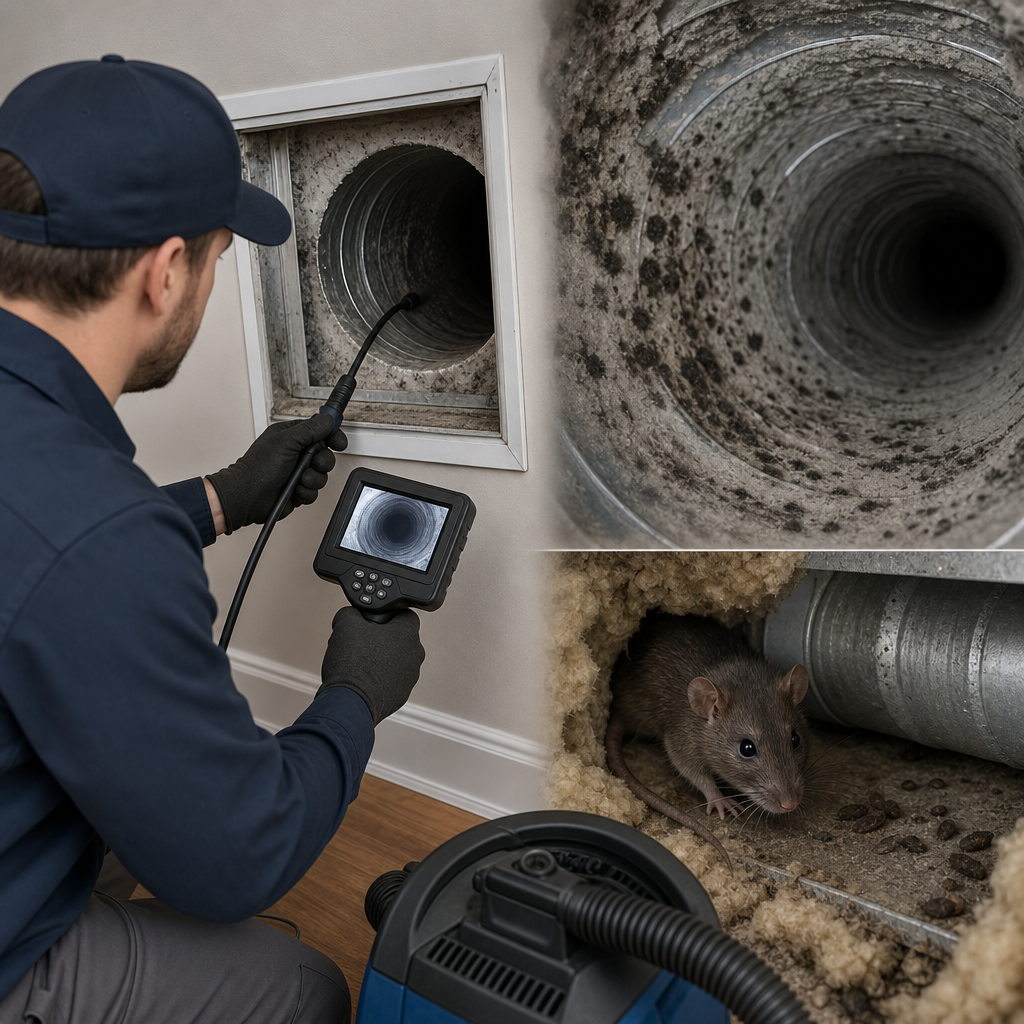
Texas humidity levels make this problem especially common in Austin and San Antonio. During summer months, AC condensation can drip into ducts, creating persistent moisture. Over time, mold colonies establish and release spores every time your system cycles.
People exposed to mold spores experience various health reactions. Some develop allergies and asthma symptoms. Others experience persistent coughing, sinus issues, or general malaise. Immunocompromised individuals, young children, and elderly family members face more serious risks from prolonged exposure.
The danger intensifies because you’re breathing recirculated spores repeatedly throughout the day. Unlike outdoor mold exposure where spore concentration varies, dirty air ducts and respiratory problems create constant indoor contamination.
Actionable insight: If your family experiences allergy-like symptoms year-round or symptoms improve when you’re away from home, mold in your ductwork deserves consideration.
Pest Infestations in HVAC Systems: What You Need to Know
Rodents and insects view your ductwork as a convenient highway system connecting different areas of your home. They enter through external intake vents, nest in insulation surrounding ducts, and leave behind droppings, urine, and decomposing remains that contaminate airflow.
We regularly find evidence of pest activity during inspections: droppings, nesting materials, dead insects, and urine stains on duct interiors. In some cases, pests have chewed through ductwork, creating openings that cause energy loss and allow unconditioned air to enter.
Pest infestations pose several threats beyond the obvious disgust factor. Rodent droppings carry hantavirus and other pathogens. Pest urine creates persistent odors and can trigger allergic reactions. Dead animals decomposing inside ducts create biohazard situations requiring professional remediation.
Pest problems often indicate gaps in your home’s exterior. Rodents gaining duct access through unsealed foundation cracks or roof penetrations suggest other entry points exist. Addressing the duct problem alone won’t solve the root issue; your home’s exterior envelope needs sealing.
Key consideration: If you’ve seen rodent droppings or noticed strange smells from vents, professional inspection and treatment should happen immediately before infestation spreads.
Our Professional Air Duct Inspection Process
We use specialized equipment to thoroughly examine your entire ductwork system. Our process begins with a visual inspection of accessible duct sections, registers, and returns to assess overall condition and identify obvious contamination.
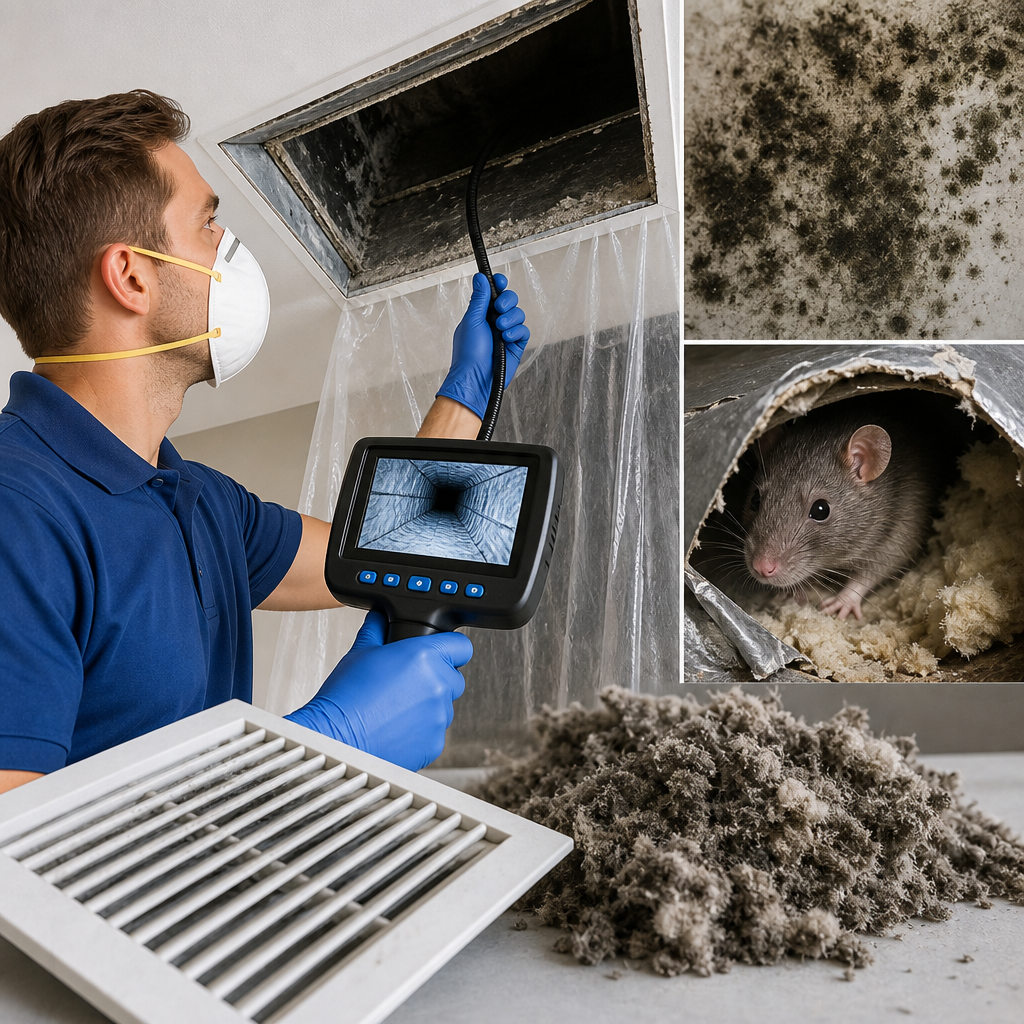
Next, we deploy video inspection cameras through your ducts. This technology allows us to see deep inside ductwork without cutting or damaging your home. The camera reveals dust accumulation, mold growth, pest activity, gaps in duct sealing, and structural damage. We document findings and explain exactly what we’re seeing.
We also assess moisture levels, examine insulation condition, and test for air leaks at duct seams and connections. This comprehensive approach identifies not just contamination but also efficiency problems that inflate your energy bills.
For homes showing signs of mold or pest activity, we may recommend air quality testing to quantify contamination levels and confirm the extent of the problem. This testing guides our remediation approach and helps you understand the actual scope of treatment needed.
Visit our detailed air duct inspection process page for complete information about our methodology and equipment.
Your next step: Contact us for a free inspection estimate. We’ll schedule a time that works for your schedule and assess your specific situation without pressure.
What Happens After We Identify Mold or Pest Issues
Once inspection reveals contamination, we develop a customized remediation plan. For mold, this typically includes professional cleaning of all ducts using HEPA-filtered equipment, application of EPA-approved antimicrobial treatments, and identification of moisture sources to prevent recurrence.
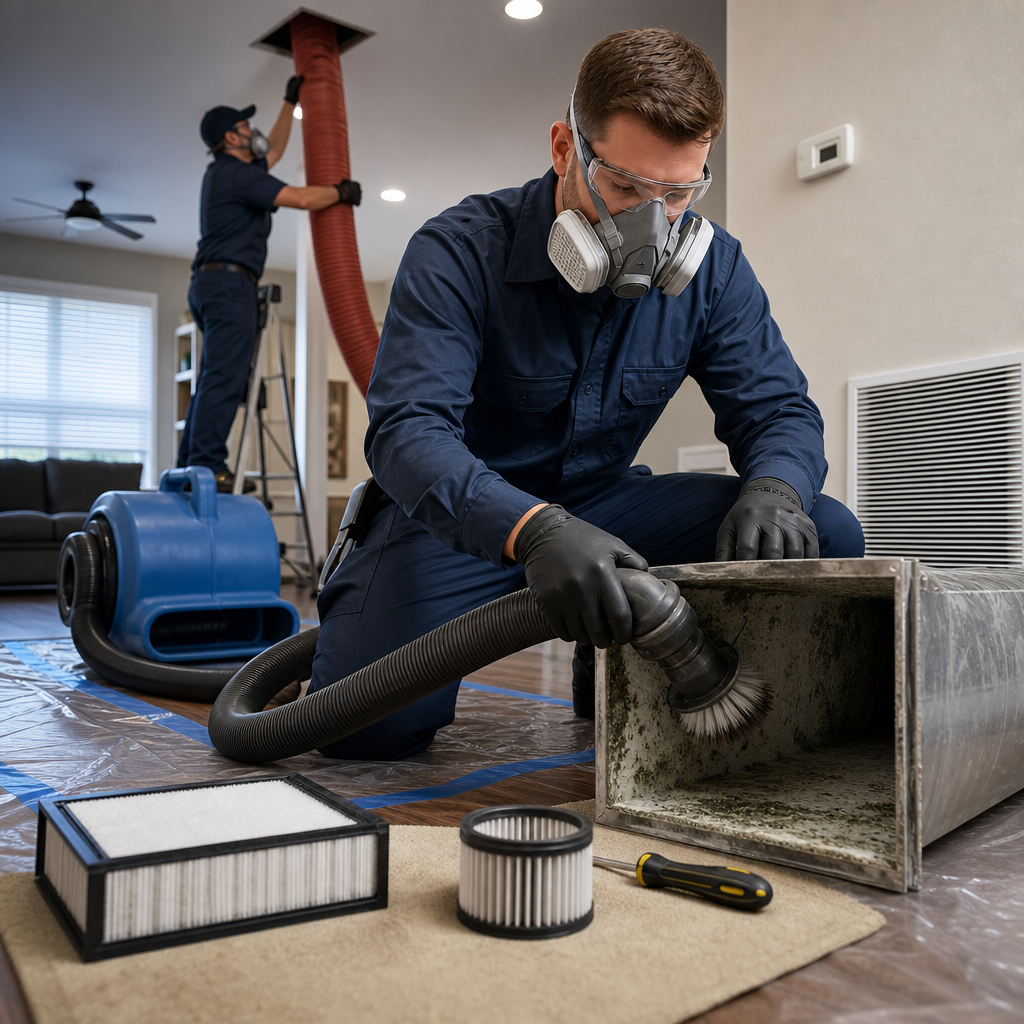
For pest-related issues, we remove all contaminated materials, thoroughly clean and sanitize affected areas, seal entry points to prevent future access, and may recommend exterior treatments or exclusion measures. In severe cases, we work with pest control specialists to ensure comprehensive resolution.
After remediation, we test to confirm contamination levels have returned to acceptable ranges. We also provide guidance on preventing future problems: maintaining proper humidity levels, changing filters regularly, and scheduling periodic maintenance.
Many homeowners appreciate our approach to prevention because it addresses root causes, not just symptoms. Fixing moisture problems, sealing duct leaks, and establishing maintenance routines protects your investment long-term.
The Cost of Ignoring Air Duct Problems
Delaying professional inspection and treatment carries significant financial and health consequences. Mold and pest contamination spreading unchecked eventually damages HVAC components, requiring expensive repairs or complete system replacement.
Your energy bills climb higher as contaminated ducts force your system to work harder to maintain temperature. We’ve documented cases where homeowners paid an extra $50-100 monthly for months before addressing underlying duct problems. That compounds quickly to thousands in unnecessary expenses.
Beyond financial impact, prolonged exposure to mold spores and pest contamination affects your family’s health. Medical treatments for mold-related allergies, asthma exacerbations, and respiratory infections add up fast. The cost of managing health issues often exceeds the investment in professional duct cleaning and remediation.
Your home’s resale value also suffers. Prospective buyers become concerned when inspections reveal contaminated ducts or pest damage. Addressing problems proactively protects your property value and makes your home more attractive to buyers.
Prevention advantage: Professional inspection and maintenance cost far less than treating contamination-related health issues or repairing damaged HVAC systems.
Why DIY Inspections Miss Critical Contamination
Many homeowners attempt inspections using flashlights or basic cameras, assuming they can assess duct condition themselves. This approach consistently misses serious problems.
Standard cameras don’t penetrate dust and debris effectively, so mold growth beneath surface contamination remains invisible. Professional inspection equipment includes specialized lighting and high-definition cameras specifically designed to see through existing dust and deposits.
DIY inspectors also lack experience recognizing early-stage mold growth, identifying pest evidence, or assessing whether contamination poses health risks. What looks like minor dust accumulation might actually indicate severe mold colonization requiring immediate treatment.
Professional inspectors understand how moisture patterns develop, where pest entry points typically form, and how ductwork design influences contamination spread. This expertise guides remediation decisions that DIY approaches simply cannot match.
Additionally, disturbing contaminated ducts yourself can actually spread problems. Agitating mold colonies or dislodging pest debris without proper containment releases spores and contaminants throughout your home, worsening the situation temporarily.
How Clean Ducts Improve Your Home’s Indoor Air Quality
Once your ducts are professionally cleaned and any contamination is removed, the improvement in indoor air quality becomes noticeable. Family members often report reduced allergy symptoms, fewer respiratory irritations, and overall better breathing within days.
Clean ductwork also improves HVAC efficiency. Your system doesn’t have to push as hard through contaminated passages, reducing energy consumption and lowering monthly bills. Better airflow means more consistent temperature throughout your home and greater comfort.
Beyond health and comfort, clean ducts extend your HVAC system’s lifespan. Components work less strenuously when airflow moves freely, reducing wear on motors and compressors. This translates to fewer repairs and a longer period before replacement becomes necessary.
For more comprehensive details about how air quality improves, see our complete homeowners guide to air quality. We also discuss when duct cleaning pairs best with other improvements like insulation upgrades.
Protecting Your Family with Regular Professional Maintenance
Professional inspection shouldn’t be a one-time event. We recommend annual maintenance for most homes, with more frequent inspections in older properties or homes with known moisture issues. Regular monitoring catches problems early before contamination spreads.
Seasonal maintenance before peak heating and cooling seasons ensures your system runs efficiently when you need it most. Fall inspection before heating season and spring inspection before cooling season identify issues that should be addressed before demand increases.
Homeowners should also maintain basic habits between professional visits: change HVAC filters monthly during heavy use seasons, ensure bathroom and kitchen exhaust vents exhaust outside (not into attics), maintain proper indoor humidity levels, and keep exterior vents clear of debris.
These practices work together with professional service to maintain healthy indoor air and system performance. Think of it as partnering with our experts to protect your investment and your family’s health.
Schedule Your Professional Air Duct Inspection Today
Your family’s health and your home’s efficiency depend on clean, contamination-free ducts. Professional inspection catches mold and pest issues before they spread, protecting your indoor air quality and preventing expensive damage.
We serve Austin, San Antonio, Dallas, and Houston with certified HVAC technicians ready to inspect your system thoroughly. We provide free service estimates with no obligation, giving you complete information before deciding on treatment.
Contact Go Air Ducts today to schedule your professional air duct inspection. We’re available for same-day service in most cases and stand behind our work with proven results. Let us help you ensure your home’s air is clean and safe for everyone inside.
If you’re dealing with dust, poor airflow, mold in your ducts, or a clogged dryer vent — don’t wait. These issues can affect your health and safety. Go Air Ducts Group are the local experts in air duct cleaning, mold removal, dryer vent cleaning, and attic insulation. Call now for a free inspection and same-day service in Austin and San Antonio.
Frequently Asked Questions (FAQ)
How do we detect mold in air ducts before it becomes a serious problem?
We use advanced video inspection technology combined with moisture detection equipment to identify mold growth in areas you can’t see. Our certified technicians examine your entire ductwork system, looking for visible mold colonies, water damage, and the conditions that allow mold to thrive. If we detect contamination, we provide you with video documentation and recommend the appropriate remediation strategy to protect your family’s health.
What signs should prompt us to schedule an inspection?
We recommend scheduling an inspection if you notice musty odors coming from your vents, visible dust accumulation around registers, increased allergy symptoms indoors, or pest activity near your HVAC system. Rising energy bills can also indicate duct blockages or contamination affecting your system’s efficiency. The sooner we inspect your ducts, the faster we can address any issues before they spread throughout your home.
Why can’t homeowners inspect their own ducts for mold and pests?
We find that DIY inspections typically only reveal surface-level problems because most of your ductwork runs behind walls and in attic spaces where visual access is limited. Without specialized equipment like thermal imaging and fiber optic cameras, hidden mold colonies and pest nests remain undetected until they cause significant damage. Our professional inspection process accesses hard-to-reach areas and identifies contamination you’d otherwise miss until it affects your indoor air quality or home value.