
🕑 9 min read
How often should Texas condos get commercial duct cleaning?
Most condo and multifamily duct systems benefit from cleaning every 2 to 4 years, sooner with pets, renovations, or air quality complaints. Go Air Ducts helps Texas condo and property managers set the right commercial duct cleaning frequency to protect residents' air and keep shared HVAC systems efficient.
Table of Contents
- 1. Standard Commercial Duct Cleaning Every 3-5 Years
- 2. High-Traffic Condos Requiring Annual Cleaning
- 3. Multi-Unit Buildings with Shared Ventilation Systems
- 4. Post-Construction Cleanup for New Condo Developments
- 5. Seasonal Inspections Between Professional Cleanings
- 6. Indoor Air Quality Testing to Determine Cleaning Needs
- Frequently Asked Questions (FAQ)
1. Standard Commercial Duct Cleaning Every 3-5 Years
Condo buildings and multi-unit complexes in Texas face unique HVAC challenges. Shared ventilation systems, fluctuating occupancy, and seasonal dust loads mean there’s no one-size-fits-all cleaning schedule. We’ve worked on hundreds of commercial properties across Austin, San Antonio, Dallas, and Houston, and we’ve learned that the right cleaning frequency directly impacts tenant health, operational costs, and system longevity.
This guide breaks down when and why your commercial ducts need cleaning, so you can make informed decisions that protect both your building and your bottom line.
Most commercial condos in good condition benefit from professional duct cleaning every three to five years. This baseline assumes normal occupancy, regular filter changes, and no major dust-generating activities inside the building.
Why this interval works: Your HVAC system naturally accumulates dust, skin cells, pollen, and debris over time. In a three-to-five-year window, buildup rarely reaches dangerous levels if filters are maintained properly. However, letting ductwork go longer than five years often means you’re paying higher energy bills as your system works harder to push air through restricted passages.
Real-world example: A 50-unit condo in South Austin came to us after the property manager noticed three tenants had filed complaints about stale air and dust visible near vents. We performed a visual air duct inspection process and found moderate dust accumulation consistent with a seven-year gap since the last cleaning. After professional cleaning, the owner reported reduced complaints and a measurable drop in cooling costs during the next summer season.
Key takeaway: Mark your calendar for a commercial air duct cleaning every three to five years as your baseline. Track the date so you don’t accidentally skip this critical maintenance step.
2. High-Traffic Condos Requiring Annual Cleaning
Buildings with high foot traffic, frequent tenant turnover, or ground-floor retail spaces accumulate dust faster and may need annual cleaning.
What triggers annual schedules:
- Lobby areas with constant foot traffic and open entryways
- Mixed-use buildings with ground-floor restaurants or coffee shops
- Properties with frequent renovations or construction activities
- Condos in particularly dusty neighborhoods near major roads or industrial areas
Texas heat amplifies this problem. When your HVAC system runs continuously to maintain cool temperatures, it pulls in more outdoor dust, pollen, and particulates. Air conditioning units run hard here, so they’re cycling more air through the ducts month after month.
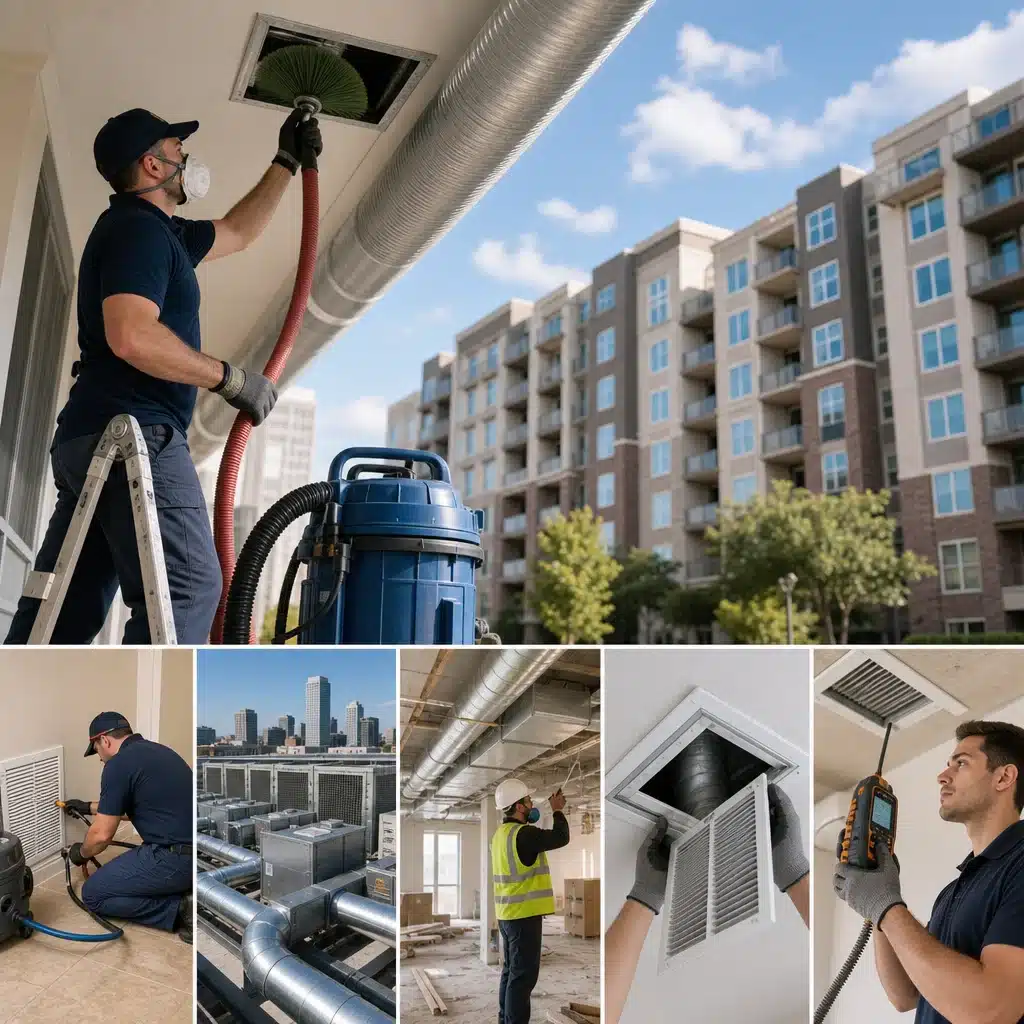
We inspected a 120-unit mixed-use condo in downtown Austin last year. The building had a ground-floor fitness facility plus street-facing retail. The ductwork showed heavy dust accumulation after just eighteen months since the previous cleaning. Annual cleaning was the right call for this property because the constant activity and heavy HVAC runtime meant dust built up quickly.
Your action: If your condo fits any of those high-traffic criteria, schedule commercial duct cleaning annually. One cleaning per year prevents the creeping efficiency loss and tenant complaints that plague neglected buildings.
3. Multi-Unit Buildings with Shared Ventilation Systems
Shared ventilation systems create cross-contamination risks that isolated residential units don’t face. When one unit has a problem, it affects the whole building.
Common issues we encounter:
- One tenant’s cooking odors spreading throughout the building because return vents share the same main duct
- Smoke from renovations in a single unit contaminating common areas
- Mold growth in shared return plenums affecting air quality across multiple floors
- Pest droppings discovered in main trunk lines during cleaning
Multi-unit buildings need more frequent inspections and a documented maintenance log. We recommend quarterly visual checks of accessible ductwork and professional cleanings every two to three years for shared systems, compared to the three-to-five-year standard for isolated systems.
A San Antonio property manager discovered mold in the shared return plenum above the suspended ceiling after tenants reported musty smells. That discovery prompted emergency cleaning and revealed that the building’s previous owner had skipped inspections for over four years. The longer the gap between inspections, the greater the risk that hidden problems develop in shared spaces.
Action step: Request a professional indoor air quality strategy assessment for shared systems. We’ll help you establish a cleaning schedule that protects tenants across all units and prevents cross-contamination.
4. Post-Construction Cleanup for New Condo Developments
New construction creates massive dust loads that must be cleaned before residents move in. Without aggressive post-construction duct cleaning, you’re delivering homes with contaminated HVAC systems.
Why this matters: Drywall dust, insulation particles, welding residue, and construction debris get pulled into ductwork during the building phase. A brand-new HVAC system that hasn’t been cleaned will blow this debris into units for months, triggering allergies, clogging filters, and stressing equipment.
The right approach:
- Schedule professional duct cleaning after construction is complete but before the certificate of occupancy is issued
- Use negative pressure cleaning methods to extract all construction debris
- Replace all filters before first occupancy
- Document the cleaning with photos for the property record
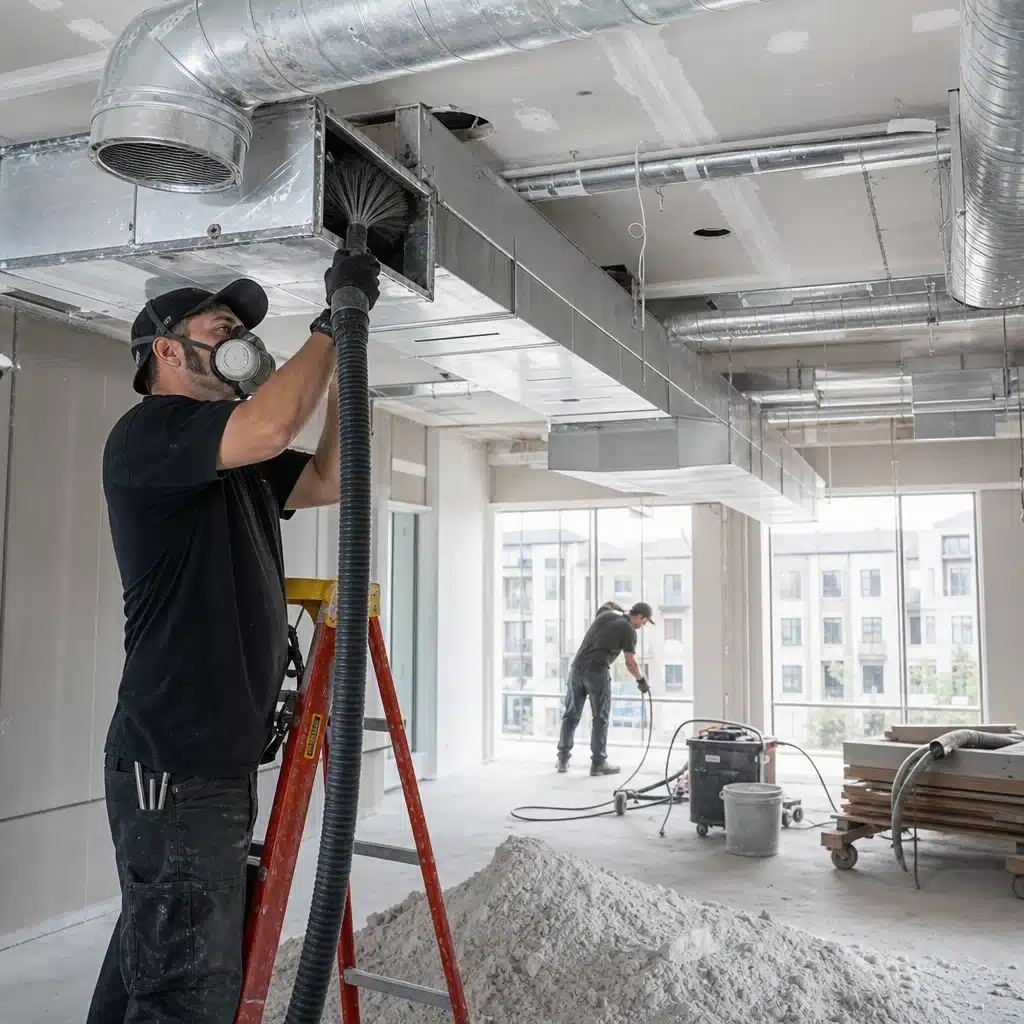
We’ve cleaned newly constructed condos in Austin where the developer tried to save money by skipping professional cleaning. The result was tenant complaints, warranty disputes, and expensive filter replacements within the first season. A single professional cleaning beforehand would have cost far less and prevented months of headaches.
Your move: If you’re developing or managing a new condo project, budget for post-construction duct cleaning as a line item, not an optional add-on. Contact us for a pre-occupancy assessment so your building launches with clean air from day one.
5. Seasonal Inspections Between Professional Cleanings
Professional cleanings happen infrequently, but seasonal inspections catch emerging problems before they become expensive repairs.
We recommend quarterly visual checks of accessible ductwork, plus formal inspections before and after peak HVAC seasons. In Texas, that means inspections before summer cooling season and before any heating season needs.
What to look for during inspections:
- Visible dust or debris around vents and returns
- Unusual odors coming from the HVAC system
- Changes in tenant complaints about air quality
- Any signs of moisture, condensation, or mold growth
- Debris or pests in accessible ductwork areas
Between professional cleanings, simple habits extend your system’s life. Ensure filter changes happen on schedule (typically monthly during heavy use months). Check that return air intakes aren’t blocked. Keep supply vents clean and unobstructed.
A Houston condo association discovered a birds’ nest in an intake duct during a spring inspection. That early discovery prevented the birds from nesting deeper in the system and allowed us to install preventive screens before summer cooling season started. Quarterly checks saved them from a much bigger problem.
What to do next: Add seasonal duct inspections to your maintenance calendar. We can schedule these during your existing service calls, so there’s no extra visit required.
6. Indoor Air Quality Testing to Determine Cleaning Needs
Rather than guessing at cleaning frequency, many property managers are turning to data. Indoor air quality testing gives you objective evidence of whether ducts need cleaning and how effective each cleaning is.
Professional testing measures:
- Particle counts at various points in the ductwork
- Particulate matter size distribution
- Visible debris levels
- Mold spore counts (if you suspect mold)
- Carbon dioxide and humidity levels
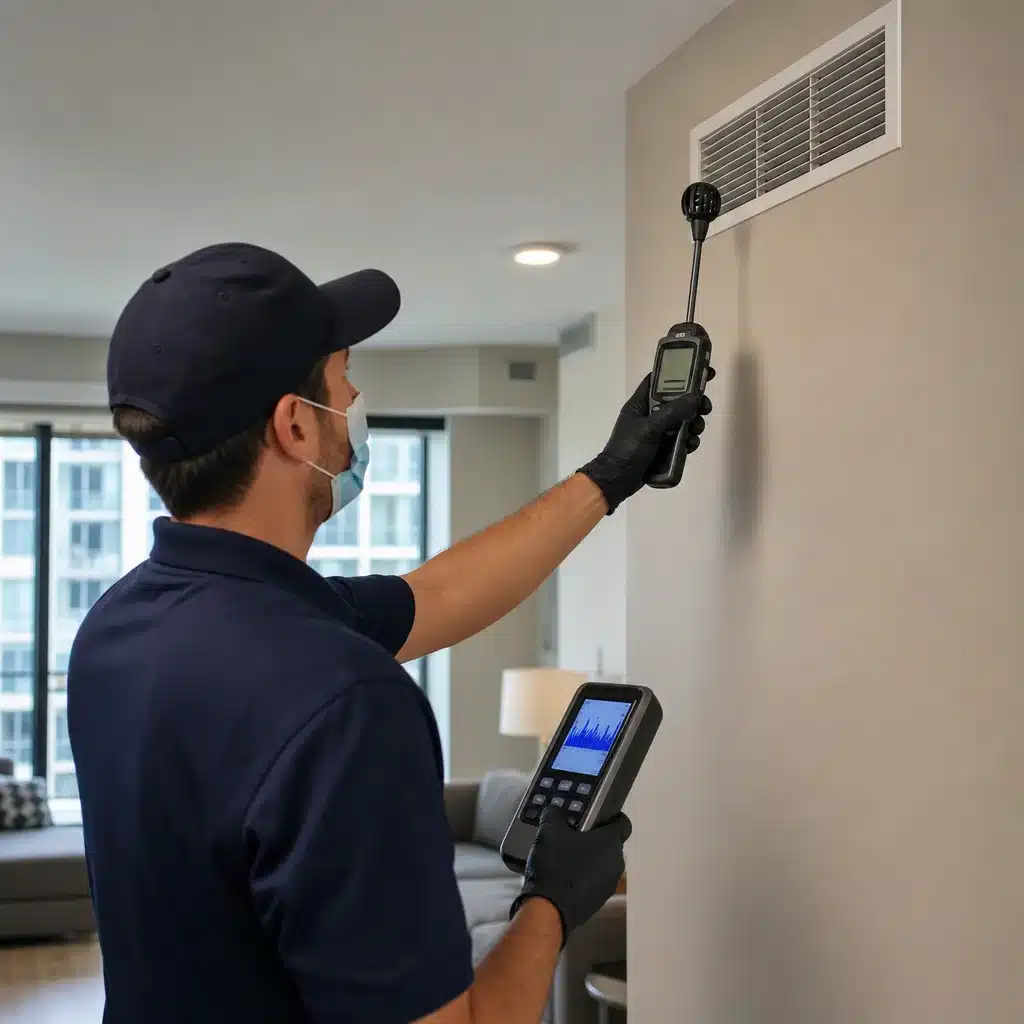
Testing is particularly valuable for buildings with health-conscious tenants, properties dealing with persistent odors, or complexes where maintenance records are missing or unreliable.
We tested a San Antonio condo that had complaints about stale air despite the property manager believing the ducts were clean. Testing revealed elevated dust levels and some mold spores in the return system. The testing provided the justification needed to approve budget for cleaning and remediation. Six months after cleaning, follow-up testing confirmed the intervention worked.
Commercial indoor air quality testing typically costs between $300 and $600 per building, depending on complexity. For property managers managing multiple condos or facing recurring air quality complaints, testing becomes the most cost-effective way to target resources where they’re actually needed.
Your next move: Schedule an indoor air quality assessment. Testing takes a few hours and provides the data you need to justify cleaning budgets to ownership and protect tenants with confidence.
—
Managing commercial duct cleaning frequency isn’t complicated once you understand your building’s specific demands. We’ve helped hundreds of Texas condo associations and property managers develop maintenance schedules that balance cost, tenant satisfaction, and system performance.
Contact us for a free commercial assessment. We’ll evaluate your building’s size, occupancy, age, and current condition, then recommend a cleaning frequency that works for your budget and your tenants. Same-day service is available for emergency situations, and we serve Austin, San Antonio, Dallas, and Houston.
If you’re dealing with dust, poor airflow, mold in your ducts, or a clogged dryer vent — don’t wait. These issues can affect your health and safety. Go Air Ducts Group are the local experts in air duct cleaning, mold removal, dryer vent cleaning, and attic insulation. Call now for a free inspection and same-day service in Austin and San Antonio.
Frequently Asked Questions (FAQ)
How often should we have our condo’s commercial ducts cleaned?
We recommend cleaning commercial ducts every 3 to 5 years for standard residential condos in Texas. However, if your building has high foot traffic, multiple units sharing ventilation systems, or residents with allergies, we typically suggest annual cleanings to maintain optimal air quality. Our team can assess your specific situation during a free estimate to determine the best schedule for your property.
What’s the difference between seasonal inspections and professional duct cleaning?
We use seasonal inspections to identify potential issues like dust buildup, debris, or mold growth without performing a full cleaning. These inspections help us catch problems early and determine whether your ducts need immediate professional cleaning or can wait until your next scheduled maintenance. Professional cleanings, on the other hand, involve thorough removal of contaminants and typically take several hours to complete.
How do we know if our condo’s ducts need cleaning before the standard 3-5 year window?
We recommend indoor air quality testing to measure dust, allergens, and other particles in your ventilation system. If testing reveals higher contamination levels or if residents are experiencing increased allergies and respiratory issues, we can schedule cleaning sooner than the standard interval. Contact us for an indoor air quality assessment, and we’ll provide honest guidance on whether your building needs immediate attention.