🕑 5 min read
What are the three levels of chimney inspection?
NFPA 211 describes three chimney inspection levels. Level 1 checks readily accessible parts for chimneys in continued service. Level 2 adds attic and crawlspace areas and a flue camera scan, and is used for a sale, a system change, or after a damaging event. Level 3 may involve removing parts of the building or chimney when a serious hazard is suspected.
Table of Contents
- Why Inspections Come in Levels
- Level 1 Inspection
- Level 2 Inspection
- Level 3 Inspection
- Comparing the Three Levels
- Which Level Do You Need?
- What Inspectors Look For
- What Happens After the Inspection
- Frequently Asked Questions
- Schedule Your Chimney Inspection
If you have ever been told your chimney needs a “Level 2 inspection,” you may have wondered what that means and whether it is necessary. Chimney inspections are not all the same. The standard that guides them, NFPA 211, describes three levels, and each one looks at a different amount of the chimney and is used in different situations.
Knowing the difference helps you understand what you are paying for and when a basic check is enough.
Why Inspections Come in Levels
A chimney is part of your home’s fire safety system, and problems inside it are often hidden. Different circumstances call for different amounts of scrutiny. A chimney that has been used the same way for years needs a different look than one attached to a newly sold house or one that has just been through a fire.
The Chimney Safety Institute of America (CSIA) recommends that chimneys be inspected at least once a year. NFPA 211 also calls for annual inspection of chimneys, fireplaces, and vents, with cleaning and maintenance as needed.
Level 1 Inspection
What it covers: A Level 1 inspection looks at the readily accessible parts of the chimney, the chimney structure, and the flue. The inspector checks that the chimney is free of obstruction and combustible deposits and that its basic soundness and clearances look appropriate.
When it is used: For a chimney that is in continued service under the same conditions. In other words, you are using the same fuel type, the same appliance, and nothing about the chimney has changed.
What to expect: It is the routine annual check. It is usually done together with a sweep when cleaning is needed.
Level 2 Inspection
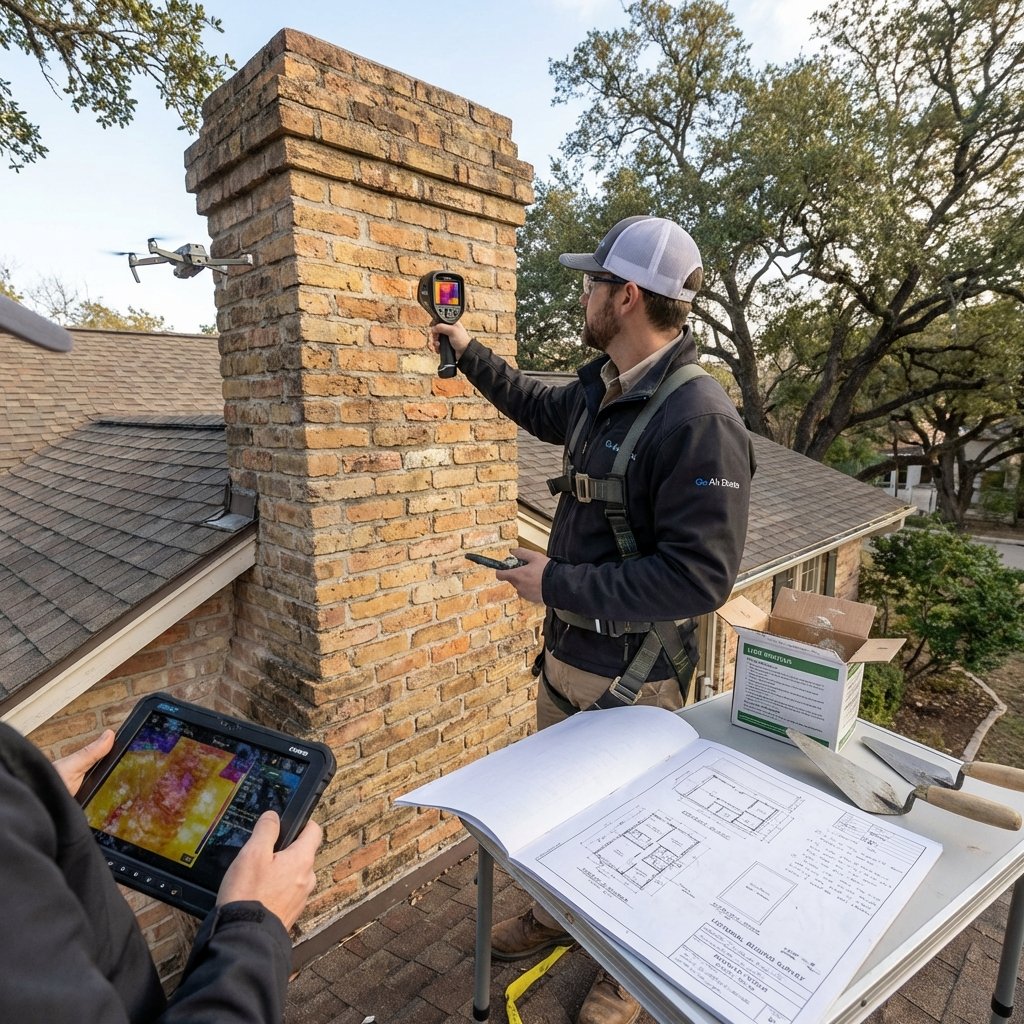
What it covers: A Level 2 inspection includes everything in Level 1, plus the accessible areas of the chimney in attics, crawlspaces, and basements, and a video scan or similar inspection of the flue interior.
When it is used: NFPA 211 calls for Level 2 when:
- The fuel type changes
- The appliance is replaced with a different type
- The flue shape or material changes, such as relining
- The property is sold or transferred
- An operating malfunction or external event, such as a chimney fire, an earthquake, or severe weather, may have damaged the chimney
What to expect: A camera is used to view the inside of the flue, which can reveal cracked liners, gaps, and buildup that cannot be seen from the fireplace opening.
Level 3 Inspection
What it covers: A Level 3 inspection includes everything in Levels 1 and 2 and may involve removing parts of the building or chimney to reach concealed areas, such as removing a chimney crown or interior wall finishes.
When it is used: When a serious hazard is suspected and cannot be evaluated by less invasive means. For example, if a chimney fire or structural damage is suspected and concealed areas need to be examined.
What to expect: It is the most thorough and most disruptive option, and it is used only when needed.
Comparing the Three Levels
| Level 1 | Level 2 | Level 3 | |
|---|---|---|---|
| Scope | Readily accessible areas | Accessible areas plus attic, crawlspace, and flue camera scan | All of Level 2 plus removal of components if needed |
| Typical reason | Routine annual check | Sale, system change, or after an incident | Suspected serious hazard |
| Camera of the flue | Not required | Yes | Yes |
| Disruption | Minimal | Low to moderate | Potentially significant |
Which Level Do You Need?
- Annual check with no changes: Level 1.
- You are buying or selling a home with a fireplace: Level 2 is typically called for when a property is transferred, and it is worth requesting during a purchase.
- You changed your fuel or appliance, or relined the chimney: Level 2.
- There was a chimney fire, a storm, or other damaging event: Level 2, and possibly Level 3 if concealed damage is suspected.
- You are unsure: Ask the inspector what they recommend and why.
What Inspectors Look For
Whatever the level, an inspection is checking for problems that can affect safety:
- Creosote and soot buildup. See our guide on creosote buildup levels.
- Cracked, damaged, or missing flue liners
- Blockages from nests or debris
- Damaged or missing chimney caps. Learn why chimney caps matter.
- Cracks in the crown and deteriorated mortar
- Water damage and rust
- Proper clearance from combustible materials
What Happens After the Inspection
You should receive an explanation of what was found, often with photos or video from the camera. From there, the options usually include:
- No action needed. The chimney is in good condition.
- Cleaning. A sweep removes soot and creosote.
- Repairs. Crown, cap, flashing, mortar, or liner work.
- Further evaluation. If something suspicious cannot be fully assessed, a higher-level inspection may be recommended.
Frequently Asked Questions
How often do I need an inspection?
At least once a year, according to the CSIA and NFPA 211, even if you use the fireplace only occasionally.
Is a chimney sweep the same as an inspection?
No. A sweep cleans the chimney. An inspection evaluates its condition. They are often done together, but they are different services.
Do I need an inspection if I am buying a home?
A Level 2 inspection is commonly recommended at the time of sale, because problems inside a flue are hard to see otherwise.
Can I inspect my own chimney?
You can look at the firebox and, safely, the chimney from the ground. You cannot see inside the flue or check hidden areas without a camera and training.
Schedule Your Chimney Inspection
Go Air Ducts offers chimney inspection, chimney cleaning, and chimney repair services. If your crown needs attention, see chimney crown repair. Contact us to schedule service in Austin, San Antonio, and nearby Texas communities.