
🕑 8 min read
If your fireplace smells strong, smokes back into the room, or you are about to add gas logs or an insert, the liner inside your chimney deserves a look. The liner is the hidden channel that carries combustion gases out of the house, and you cannot judge its condition from the roof or the firebox. This guide explains what a liner does, when one is needed, and how an inspection settles the question.
Quick Answer
You need a chimney liner when your chimney does not have an intact, correctly sized one for the appliance you burn in it. Some older masonry chimneys have none, clay tiles can crack, and a new insert, stove, or gas appliance often calls for a different liner. Only an inspection, usually with a camera, can show what is inside. A clean-looking firebox does not prove the flue behind it is sound.
Key Takeaways
- A liner protects the masonry from heat and corrosive combustion byproducts and keeps exhaust inside the flue.
- Changing fuels or appliances is one of the most common reasons a liner has to be replaced or resized.
- Cracked tiles, flaking debris in the firebox, and smoke entering the room are reasons to schedule an inspection, not to guess.
- Cleaning, repair, and relining solve different problems, and an inspection tells you which one applies.
What a Liner Actually Does Behind the Bricks
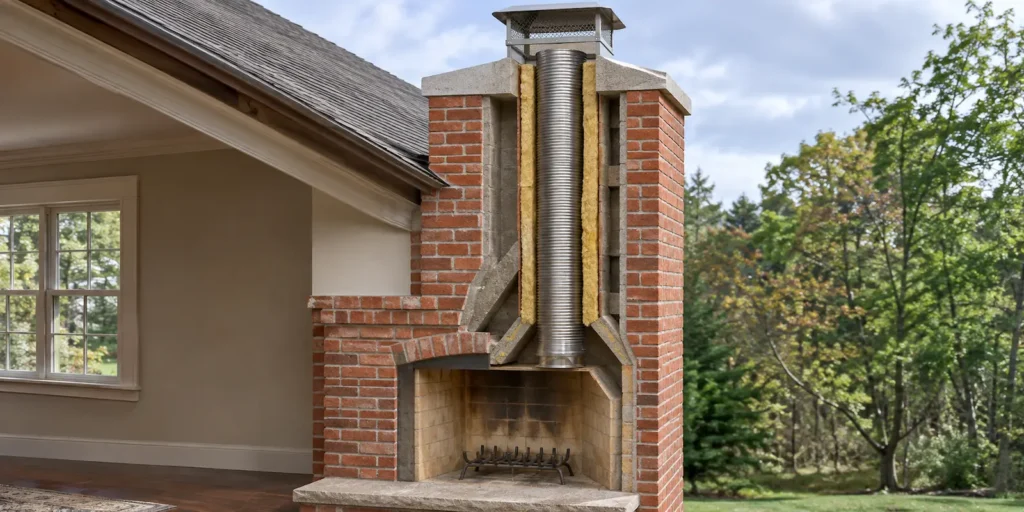
A chimney liner is the inner lining of the flue. Its first job is to contain smoke, heat, and combustion gases, including carbon monoxide, so they travel up and out instead of leaking into wall cavities or living space. Its second job is to shield the surrounding brick and mortar from heat and from the acidic residue that wood and gas appliances leave behind.
Its third job is sizing. A flue that is too large for the appliance can let exhaust cool and drift, which encourages soot and creosote to collect. The Chimney Safety Institute of America publishes homeowner guidance on liners, fire prevention, and carbon monoxide that is worth reading before you talk to any contractor.
Situations That Put the Liner Question on the Table
A liner is not something every homeowner has to think about every year. It becomes a real question in a handful of situations:
- You are changing what you burn. Moving from an open wood fireplace to a gas insert, a wood stove, or gas logs can change the flue size and temperature the liner must handle.
- The home is older. Some older masonry chimneys were built without a full liner, or with clay tiles that have shifted and cracked over decades.
- There has been a chimney fire. Even a fire you barely noticed can damage the flue, so the liner should be checked before the fireplace is used again.
- You are buying or selling. A thorough inspection before closing avoids surprises, and the liner is one of the parts a quick visual check cannot see.
- Something has changed. New smoke smell, poor draft, or debris in the firebox are all prompts to look inside the flue.
Warning Signs Something May Be Wrong Inside the Flue
None of these signs diagnoses a liner problem by itself, and several have other causes. Together with an inspection, they help narrow things down.
| What You Notice | Possible Issue | Sensible Next Step |
|---|---|---|
| Pieces of clay tile or flaking material in the firebox | Liner tiles cracking or breaking down | Stop using the fireplace and book an inspection |
| Smoke entering the room | Draft problem, blockage, damper issue, or flue damage | Inspect before the next fire (see our guide to fireplace smoke coming into the room) |
| Heavy, shiny, or tar-like deposits | Creosote buildup that cleaning may need to address first | Professional sweep, then a closer look at the flue |
| Water stains or rust around the firebox | Moisture getting into the flue or masonry | Inspect the cap, crown, and liner together |
| A new appliance is being installed | Liner may need to be resized or replaced | Ask the installer to confirm liner requirements in writing |
Clay, Steel, or Cast-in-Place: Common Liner Types
Liners are not one-size-fits-all. The right choice depends on the chimney, the fuel, and the appliance, so treat this table as orientation rather than a recommendation.
| Liner Type | Where You Often See It | Worth Knowing |
|---|---|---|
| Clay tile | Many masonry chimneys built with a liner from the start | Individual tiles can crack or shift, and the damage is not visible from below |
| Stainless steel | Retrofits, inserts, stoves, and relining jobs | Must match the appliance, and some installations require insulation around the liner |
| Cast-in-place | Relining of masonry chimneys with damaged flues | Installed inside the existing flue, so the chimney still needs to be inspected first |
Why a Camera Look Beats a Quick Glance
A flashlight in the firebox is not an inspection. Most of the liner is out of sight, and a crack or gap can sit high up the flue while the lower section looks fine. A professional inspection that includes a camera pass of the flue is the usual way to confirm its condition, particularly before changing appliances, after an event such as a chimney fire, or when buying a home.
The chimney inspection service from Go Air Ducts covers the accessible parts of the system, including the firebox, damper, and exterior masonry, and a deeper level of inspection is available when the situation calls for it. For a plain-language look at what the flue is and why it matters, our article on the chimney flue and why it is vital for your home is a good companion read.
Not Sure What Is Inside Your Chimney?
A liner question rarely has a quick yes or no answer from the living room. An inspection can show whether the flue needs cleaning, repair, relining, or nothing at all, so you are deciding based on what is actually in there. Go Air Ducts serves Austin, San Antonio, and Round Rock, and inspection findings are explained before any work is approved.
Cleaning, Repair, or Relining: Which One Fits?
Cleaning, repair, and relining are not interchangeable. Cleaning removes soot and creosote from a flue that is structurally sound. Repair addresses specific damage such as a deteriorated crown or cracked masonry. Relining is considered when the flue itself cannot safely do its job any longer or when a new appliance needs a different liner.
- Cleaning fits when the flue is intact but dirty. Our overview of creosote buildup levels explains when sweeping stops being optional, and the chimney sweep service page describes the process.
- Repair fits when the problem is localized. The chimney repair service covers issues that let moisture and heat reach places they should not.
- Liner work or new appliance venting fits when the flue cannot be made safe by cleaning alone. Go Air Ducts also handles chimney installation, which includes venting components from the flue to the cap, so ask during the inspection whether liner work applies to your chimney.
No one can price or prescribe liner work remotely, so be cautious of any quote given without someone looking inside the flue. The project write-up on repairing a smoke chamber and cleaning a chimney shows how an older chimney problem was diagnosed and handled step by step.
Fireplaces That Rarely Get Used Still Need Attention
Many Central Texas homes burn only a few times a winter, or use gas logs for convenience. Infrequent use lowers the soot load but does not remove the other risks. Moisture, debris, nesting animals, and aging masonry can damage a flue that is rarely lit, and a problem can sit unnoticed until the first cold snap. A scheduled inspection before the season, rather than after the first smoky fire, tends to cost less and cause less trouble.
Frequently Asked Questions
Does every chimney have a liner?
No. Most modern chimneys are built with one, but some older masonry chimneys were constructed without a full liner or with tiles that have since cracked or shifted. Whether yours has a liner, and what shape it is in, can only be confirmed by looking inside the flue, usually with a camera during a professional inspection.
How do I know if my chimney liner is damaged?
Possible signs include pieces of tile or flaking material in the firebox, smoke entering the room, heavy deposits, or moisture stains around the fireplace. These signs can have other causes, so they are reasons to schedule an inspection rather than proof of liner damage. A camera inspection is the reliable way to check.
Do I need a new liner if I switch to gas logs or an insert?
Often, a different or additional liner is required because the appliance changes the flue size and temperature the system must handle. Requirements vary by appliance and manufacturer, so have the installer confirm liner needs in writing and have the existing flue inspected before anything is installed.
Can a chimney liner be repaired instead of replaced?
Sometimes localized damage can be repaired, but cracked or missing sections often mean the flue cannot be trusted to contain exhaust. Which option applies depends on the type of liner, the extent of the damage, and the appliance. An inspection with camera images is what lets you compare repair against relining fairly.
Does Go Air Ducts service chimneys in Austin, San Antonio, and Round Rock?
Yes. Go Air Ducts offers chimney inspection, sweeping, cleaning, repair, installation, and cap services across its Austin, San Antonio, and Round Rock service areas. You can see the current service locations or call to ask about availability for your address.
Get a Clear Answer About Your Chimney
You do not have to guess whether the flue behind the firebox is ready for another season. Go Air Ducts can inspect the chimney, explain what was found, and walk through cleaning, repair, or liner options before any work begins. Pricing is discussed upfront, and nothing is done without your approval.
Book a Chimney Inspection in Austin, San Antonio, or Round Rock